


 Downloader
 Free FTP
Chemical Peel Myths Dermatologists Hate
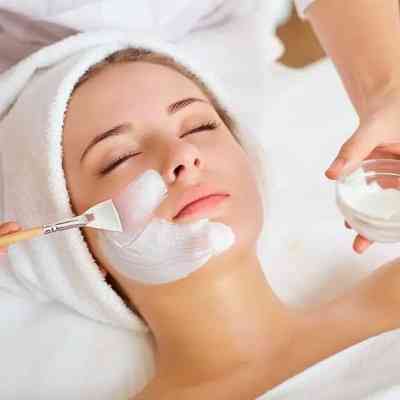
Chemical peels have been around for decades — yet they’re still misunderstood. Between social media “before and after” photos and DIY skincare trends, it’s easy to believe myths that dermatologists wish would disappear forever.
If you’re curious about chemical peels or considering one for yourself, it’s important to separate fact from fiction. Let’s break down the most common myths and explain what experts actually say.
Myth #1: Chemical Peels Burn and Destroy Your Skin:
Many people hear the word “chemical” and imagine harsh, painful treatments that damage the face. Dermatologists strongly disagree.
A chemical peel uses carefully measured acids to gently exfoliate the top layer of skin. The goal is controlled renewal — not damage.
When done professionally, peels can:
-
Smooth rough texture
-
Brighten dullness
-
Fade dark spots
-
Improve fine lines and acne scars
You may feel mild tingling or warmth, but it should not feel unbearable. If you’re visiting a qualified clinic — like those offering a medically supervised chemical peel in Islamabad — your skin will be evaluated first to ensure safety.
Myth #2: Peels Are Only for Severe Skin Problems:
Many people think peels are “too strong” unless you have major scarring or aging.
In reality, there are different levels:
-
Light peels for glow and maintenance
-
Medium peels for pigmentation and wrinkles
-
Deep peels for advanced concerns (used rarely)
Most patients get light or moderate treatments with little downtime. Dermatologists often compare them to “upgraded facials” — but with longer-lasting results.
Myth #3: Chemical Peels Work the Same for Everyone:
This is one of the most dangerous myths.
Skin tone, medical history, lifestyle, and sensitivity all play huge roles in choosing the right peel. What works beautifully for one person might irritate another.
Dermatologists customize peels based on:
-
Fitzpatrick skin type
-
Active acne, rosacea, or sensitivity
-
Previous treatments or medications
-
Sun exposure habits
Personalization is the difference between impressive results and complications.
Myth #4: At-Home Peels Are Just as Good as Clinic Peels:
Scrolling online, you’ll see countless at-home peel kits promising “clinic results at home.” Dermatologists cringe at this.
Home products are weaker for a reason — safety.
Professional peels use medical-grade solutions that require skill, timing, and knowledge. Using the wrong strength at home can cause:
-
Severe burns
-
Hyperpigmentation
-
Infection
-
Scarring
Instead, leave strong peels to professionals and stick to gentle exfoliating serums at home.
Myth #5: You’ll Peel Like a Snake — or the Treatment Didn’t Work:
Peeling isn’t always dramatic. Some people flake heavily, while others barely notice.
Results don’t depend on how much you shed. Even subtle exfoliation can trigger collagen renewal and brighten complexion.
Dermatologists prefer healthy, controlled shedding — not aggressive peeling that damages the barrier.
Myth #6: Chemical Peels Thin the Skin Permanently:
This myth makes many people nervous — but it’s false.
Chemical peels actually encourage thicker, healthier dermal layers over time by stimulating collagen. What gets removed is old, dead surface buildup. Your living skin becomes firmer, smoother, and more resilient.
Of course, spacing treatments appropriately is important — something only trained professionals should decide.
Myth #7: Peels Are Too Harsh for Darker Skin Tones:
Years ago, many clinics avoided peels for deeper skin tones due to risk of pigmentation. Today, dermatologists know better.
With the right formulas and preparation, darker skin can safely benefit from chemical peels. Gentle options like mandelic, lactic, or low-strength glycolic acid are commonly used — especially when performed by experienced specialists.
That’s why choosing a reputable clinic matters. Places such as royal cosmetic surgery carefully evaluate patients and select the safest approach.
Myth #8: One Peel Fixes Everything:
Another popular misconception: one session equals perfect skin forever.
Dermatologists view peels as a series of treatments, not a miracle cure. Most skin concerns improve gradually across 3–6 sessions spaced weeks apart, followed by maintenance.
Lifestyle, sunscreen, skincare habits, and genetics all influence results.
Myth #9: Chemical Peels Are Too Expensive to Be Worth It:
People often assume peels are luxury treatments only for celebrities. In reality, many clinics keep pricing reasonable — especially compared with lasers or surgery.
The chemical peel cost depends on:
-
Type and strength
-
Clinic expertise
-
Number of sessions
-
Aftercare products
Considering the improvements in tone, clarity, and texture, many patients feel peels provide excellent value — as long as they are done safely.
What Dermatologists Want You to Remember:
Before getting a chemical peel, professionals recommend:
-
Have a consultation first
-
Share your medical history honestly
-
Follow pre- and post-care instructions strictly
-
Avoid sun exposure and always wear SPF
-
Never pick at peeling skin
And most importantly — avoid DIY experiments.
Are Chemical Peels Right for You?
Chemical peels aren’t just hype or harsh treatments. When customized and supervised properly, they are one of the most reliable ways to refresh dull, aging, or uneven skin.
If you’re thinking about trying a chemical peel in Islamabad, start with a dermatologist rather than experimenting at home. Discuss your concerns, ask questions, understand the chemical peel cost, and decide whether it fits your goals.
Clinics like royal cosmetic surgery focus on safety first — exactly what your skin deserves.

 Arabic
 French
 Spanish
 Portuguese
 Deutsch
 Turkish
 Dutch
Dutch
 Italiano
 Russian
 Romaian
 Portuguese (Brazil)
 Greek
Greek
