


 Downloader
 Free FTP
The Science of Dismantling a Car: What Gets Saved, What Gets Shredded
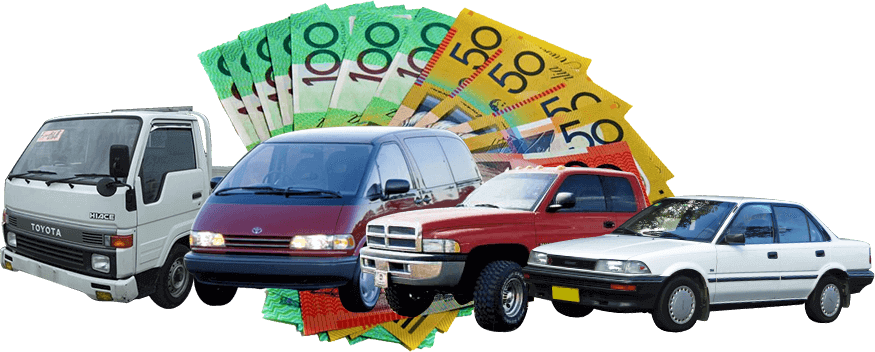
When a car reaches the end of its road life, its story does not stop. Many people think an old car turns into scrap without purpose. The truth is different. Car dismantling follows a planned process based on material science, safety rules, and reuse goals. Every step has a reason.
In Australia, car dismantling plays a strong role in waste control and material recovery. This article explains how the process works, what parts stay in use, and what materials move to shredding. The focus stays on facts and real practice.
Why Cars Are Dismantled Instead of Dumped
Cars are made from metals, plastics, fluids, and electronic parts. If dumped as a whole, they cause soil and water damage. Oils and coolants leak into the ground. Batteries release harmful matter.
Australian rules require vehicles to be treated before disposal. Dismantling allows harmful parts to be removed first. It also allows solid materials to be reused or recycled.
This process lowers landfill pressure and keeps raw material use under control.
Step One: Vehicle Assessment
The first step is inspection. Workers check the car model, year, and condition. This helps decide which parts can be reused.
Cars involved in accidents may still have working engines, doors, or suspension parts. Cars with engine failure may still hold clean panels and interior parts.
This step sets the direction for the rest of the work.
Step Two: Fluid Removal and Safety Handling
Before any part removal, all fluids are drained. This includes engine oil, brake fluid, coolant, fuel, and transmission fluid.
Facts from recycling studies show that a single car can hold over 20 litres of fluid. If left untreated, these fluids damage soil and water systems.
Batteries are removed at this stage. Lead acid batteries contain lead and acid. Both need special handling.
Airbags are also dealt with early. They contain charge units that must be neutralised.
Step Three: Parts That Get Saved
Many parts leave the yard for reuse. These parts still meet working standards.
Engine and Transmission Parts
Engines are checked for cracks and wear. Parts such as cylinder heads, alternators, and starters often remain usable.
Gearboxes and transfer cases are also saved when damage is limited.
Suspension and Steering Parts
Control arms, struts, hubs, and steering racks often survive even after accidents. These parts are removed and stored.
Body Panels and Glass
Doors, bonnets, guards, and tailgates are common reuse items. Glass that is not cracked also stays in use.
Interior Components
Seats, dashboards, switches, and trim pieces are removed. Many older models no longer have new interior parts in supply.
Electronic Parts
Modern cars hold many sensors and control units. Some of these parts remain functional and are removed with care.
Studies show that up to 30 per cent of a car by weight can be reused directly before recycling starts.
Step Four: Sorting What Cannot Be Reused
Once usable parts are removed, the shell remains. This shell still holds useful materials.
Plastics are separated where possible. Wiring looms are pulled out due to copper content. Tyres are removed for rubber processing.
At this stage, reuse ends and material recovery begins.
Step Five: The Shredding Process
The remaining shell goes to a shredder. This machine breaks the car body into small pieces.
Magnets pull out steel. Other systems separate aluminium and copper. What remains is called shredder residue.
Steel makes up around 65 per cent of an average car. This steel returns to mills for reuse in new products.
Aluminium recovery has grown in recent years due to lighter vehicle design.
What Happens to Shredder Residue
Shredder residue includes plastics, foam, and small mixed materials. Some of this material now goes through further sorting.
Australian recycling plants continue to improve recovery rates. Still, a portion ends up in landfill. This part has dropped over time as technology improves.
On average, over 80 per cent of a car by weight avoids landfill through reuse and recycling.
Environmental Facts Behind Car Dismantling
Recycling steel uses far less energy than producing new steel from iron ore. Studies show energy savings of over 60 per cent.
Aluminium recycling saves even more energy. It uses about 5 per cent of the energy needed for new aluminium production.
Each recycled car reduces the need for mining, transport, and processing of raw materials.
This shows that dismantling is not just about parts. It supports wider environmental goals.
How Car Removal Fits Into the Process
Before dismantling begins, cars must be collected. This is where removal services play a role. Vehicles that no longer run need safe transport to dismantling sites.
In cities like Sydney, many owners choose removal services when selling old cars. Searches for Cash for Cars Sydney show how common this option has become.
This step keeps unwanted cars off streets and driveways while feeding the recycling system.
A Logical Role for Sydney Car Removal
A key part of this cycle involves services such as Sydney Car Removal. By collecting unwanted vehicles and moving them into proper dismantling channels, these services help ensure cars are treated correctly from the start. When vehicles are removed with care and sent for proper dismantling, more parts can be saved and more materials can be recovered. This supports both recycling goals and responsible vehicle disposal across the city.
Why Mechanics and Repairers Care About Dismantling
Many workshops rely on dismantled parts to keep older vehicles running. Factory parts from dismantled cars often match better than some new replacements.
This keeps repair options open for cars that still meet road needs but lack new part supply.
Dismantling supports repair culture rather than replacement culture.
The Future of Car Dismantling
Electric vehicles are changing dismantling methods. Battery packs require special handling. Rare metals such as lithium and cobalt are now part of the recovery process.
Australian recyclers are adjusting systems to deal with these changes. The core idea remains the same. Remove what can be reused. Recover what can be recycled. Reduce waste.
Final Thoughts
Car dismantling is a science built on planning, material knowledge, and safety rules. It decides what stays in use and what moves to shredding. Each step serves a clear purpose.
Old cars are not waste. They are sources of parts and materials that still matter. Through careful dismantling, much of a vehicle continues its journey in new forms.

 English
 Arabic
 French
 Spanish
 Portuguese
 Deutsch
 Turkish
 Dutch
Dutch
 Italiano
 Romaian
 Portuguese (Brazil)
 Greek
Greek
