


 Downloader
 Free FTP
Promote Your Product
Got a product, service, or story to share? Promote it directly to our active community and boost your brand today.
Create an Ad
Publish Bulk Blog Posts
Boost Your Reach! 📝
Have articles, guest posts, or bulk stories to publish? Send your content directly to our editorial team and feature on our platform.
Email Us Your PostsInside a Modern Car Scrapyard: Organised Chaos or Engineering Genius?
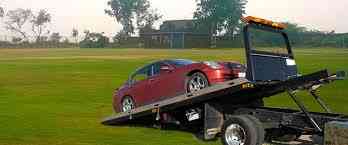
From the outside, a car scrapyard can look confusing. Rows of damaged vehicles, stacked metal, and heavy machinery often create an image of disorder. Many people think these yards are places where cars simply wait to rust away. This view misses the real story. A modern car scrapyard follows a clear system built on planning, safety, and material recovery.
Behind the noise and movement lies a carefully managed operation. Every car follows a path. Every part has a purpose. What appears chaotic at first glance is often the result of precise control and engineering planning.
The Purpose of a Modern Scrapyard
A modern scrapyard exists to manage vehicles that have reached the end of their road life. These cars may be accident damaged, rusted, written off, or too costly to repair. Rather than letting them pollute land and water, scrapyards turn them into sources of usable materials.
In Australia, end of life vehicles form a large waste stream each year. Scrapyards help reduce landfill use, control pollution, and return materials to industry. This role places them at the centre of responsible waste management.
First Contact: Vehicle Arrival and Records
The process begins when a vehicle arrives at the yard. Each car is logged with basic details such as make, model, and condition. This record helps track parts and materials through each stage.
Vehicles are placed in designated areas based on their condition. Cars with reusable parts often go to one section. Severely damaged vehicles move to another. This separation helps workers plan the next steps without confusion.
Safety Before Dismantling
Before any dismantling starts, safety checks take place. Modern scrapyards follow strict guidelines. Fuel tanks are inspected. Batteries are checked. Pressurised systems are identified.
This stage reduces risks to workers and the environment. It also prevents spills, fires, and chemical leaks. Safety procedures form the foundation of scrapyard operations.
Draining Fluids and Hazard Control
Every vehicle holds fluids. Engine oil, coolant, brake fluid, transmission fluid, and fuel residue must be removed before further processing. These fluids can contaminate soil and water if ignored.
Special equipment drains fluids into secure containers. These liquids then go through treatment or disposal systems. Used oil may be refined. Other fluids are handled under waste rules. This stage shows that scrapyards are more controlled than many people expect.
Parts Removal and Sorting
After fluids are removed, parts dismantling begins. Workers remove components that still function. Engines, gearboxes, alternators, doors, mirrors, lights, and interior parts may all be separated.
Each part is inspected and stored in specific locations. Storage systems help track availability and condition. This level of organisation supports reuse and reduces the need for new manufacturing.
Material Zones Within the Yard
Scrapyards divide space into material zones. Steel, aluminium, copper, plastics, and rubber all move to different areas. This layout reduces cross contamination and improves material quality.
Magnets help separate steel from mixed scrap. Aluminium and copper sorting relies on weight, shape, and processing methods. Clear zoning turns a busy yard into a working system.
Crushing and Shredding Stages
Once parts removal is complete, vehicle shells move to crushing. Crushing reduces size and prepares metal for transport. Some yards then send shells to shredding facilities.
Shredders break vehicles into smaller fragments. Advanced sorting systems separate metals after shredding. Steel heads to smelters. Aluminium and copper follow their own paths. This stage highlights the engineering side of scrapyard work.
Engineering Behind the Machines
Heavy machinery drives scrapyard operations. Cranes, forklifts, crushers, and loaders move vehicles and materials. Each machine follows specific roles.
Operators receive training to handle equipment safely. Movement paths within the yard reduce collision risks. Machine placement supports workflow efficiency without creating congestion.
This level of planning challenges the idea of scrapyards as random spaces.
Environmental Controls on Site
Modern scrapyards use systems to protect land and water. Concrete surfaces reduce soil contact. Drainage systems control runoff. Spill kits handle unexpected leaks.
These controls reduce environmental impact and align scrapyards with local regulations. The focus is not only on metal recovery but also on environmental care.
Workforce Skills and Coordination
Scrapyard workers carry varied skills. Some specialise in dismantling. Others operate machinery. Some manage records and material flow.
Coordination keeps the yard running smoothly. Each task depends on timing and placement. Without structure, delays and safety risks would rise.
This teamwork shows that scrapyards rely on human planning as much as machinery.
Community Role of Vehicle Removal
Scrapyards also support communities by removing unwanted vehicles from streets, farms, and properties. Abandoned cars create pollution and safety issues.
People searching for Car Removal Townsville often want a clear solution for unwanted vehicles. This demand reflects how scrapyards link environmental care with everyday needs.
A Practical Example of Modern Operations
Along the North Coast, North Coast Wreckers reflect how modern scrapyards operate within this system. By collecting vehicles, managing fluids, sorting parts, and directing materials into recycling streams, the operation turns old cars into resources. This approach fits naturally into the organised structure described throughout this article, showing that planning and engineering guide each step.
Order Within Apparent Disorder
To an outsider, stacked cars and moving machines may look confusing. To those inside, each movement has purpose. Each pile has meaning. Each zone follows a rule.
This order allows scrapyards to process large volumes of vehicles without losing control. It also ensures safety and material quality.
Why This Structure Matters
Without structure, scrapyards would create environmental risks rather than reduce them. Fluids would leak. Metals would mix. Safety hazards would rise.
Organisation allows scrapyards to support recycling targets, protect local land, and supply industries with recovered materials.
Changing Public Perception
Public views of scrapyards often come from old images of rust and neglect. Modern yards operate very differently. They reflect current standards in waste handling and material recovery.
Understanding this change helps communities see scrapyards as part of sustainable infrastructure rather than leftover industrial spaces.
Final Thoughts
Inside a modern car scrapyard, order hides behind noise and movement. What seems chaotic often follows careful planning. Engineering, safety systems, and skilled workers guide every stage.
Scrapyards prove that structure does not always look neat from the outside. When old vehicles enter these spaces, they do not meet disorder. They enter a system built to turn waste into usable materials while protecting people and the environment.

 English
 French
 Spanish
 Portuguese
 Deutsch
 Turkish
 Dutch
Dutch
 Italiano
 Russian
 Romaian
 Portuguese (Brazil)
 Greek
Greek
