


 Downloader
 Free FTP
Promote Your Product
Got a product, service, or story to share? Promote it directly to our active community and boost your brand today.
Create an Ad
Publish Bulk Blog Posts
Boost Your Reach! 📝
Have articles, guest posts, or bulk stories to publish? Send your content directly to our editorial team and feature on our platform.
Email Us Your PostsTimber Pest Inspections vs. General Pest Checks: Why They’re Not the Same
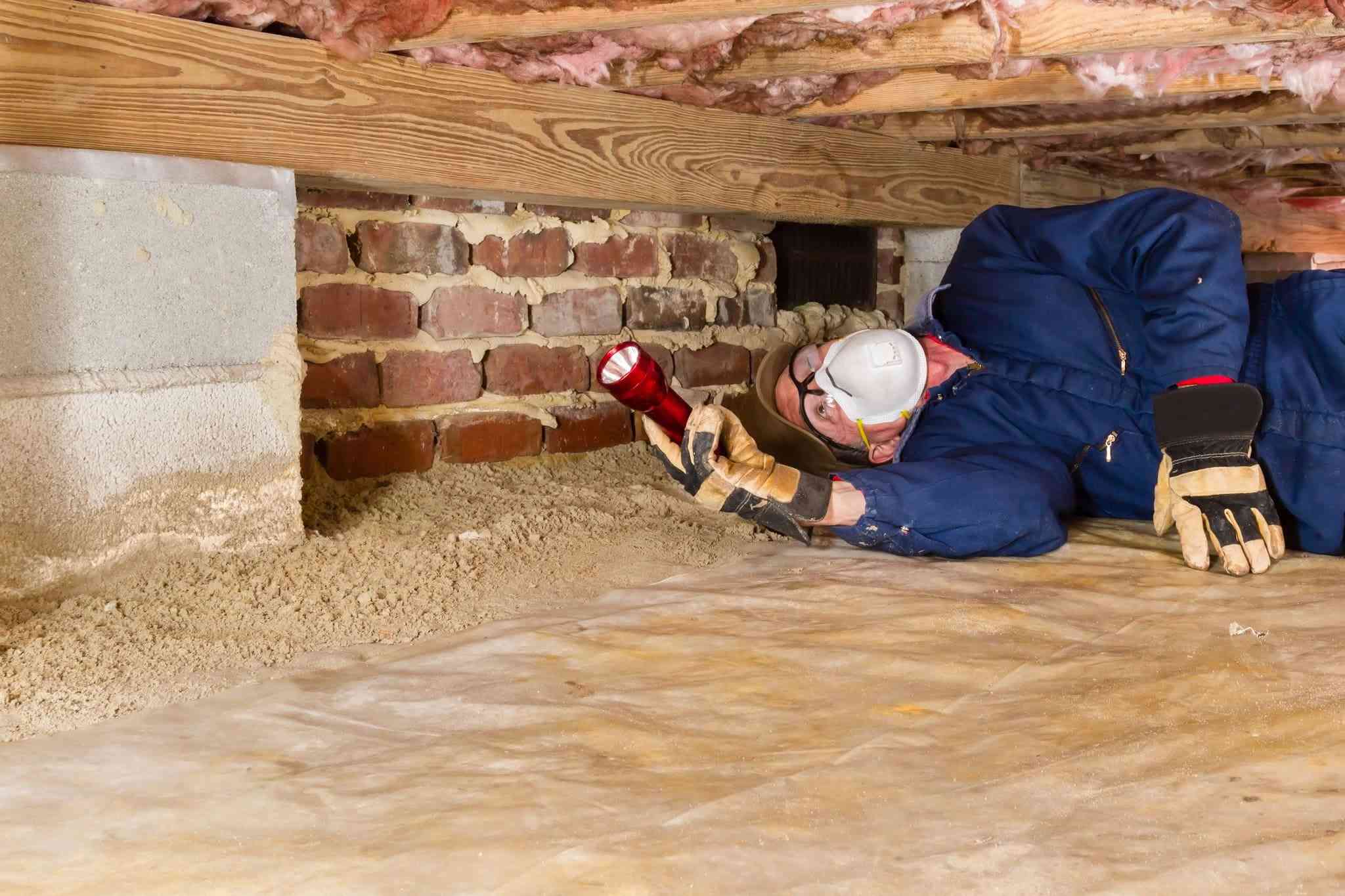
If you own a home in Australia, you’ve probably heard warnings about termites that sound dramatic enough for a disaster movie. And honestly… they’re not far off.
Between termites, borers, and fungal decay, property damage runs into the billions each year. Yet many homeowners still assume a quick general pest check is enough to protect their biggest asset.
It’s not.
This article breaks down the real difference between a professional Timber Pest Inspection and a standard general pest check. They may sound similar, but they serve totally different purposes.
If you’ve been searching for clarity on what Timber Pest Inspections actually include, when you need them, and why they matter, you’re in the right place.
Quick Overview (At a Glance)
Here’s the short, scroll-friendly version:
-
Timber Pest Inspections are specialised assessments focused on timber-destroying pests and conditions that attract them.
-
General pest checks focus on common household pests like ants, spiders, cockroaches, rodents and don’t look deep into structural risk.
-
Timber pest inspectors use tools, training, and reporting standards designed to uncover hidden problems inside your home’s structure.
-
Missing a timber pest issue isn’t just inconvenient; it can cause structural damage that costs tens (or hundreds) of thousands to fix.
Want the deeper explanation? Keep reading!
What Is a Timber Pest Inspection?
A Timber Pest Inspection is a detailed assessment of your property to identify:
-
Termites (active or previous activity)
-
Timber borers
-
Wood decay fungi
-
Moisture problems that create ideal conditions for infestation
Inspectors follow Australian Standards such as AS 4349.3, ensuring the process is thorough, systematic, and backed by industry-accepted methodologies.
What’s Checked?
-
Subfloor and under-house areas
-
Roof voids
-
Internal timbers
-
External timbers
-
Fences, decks, pergolas
-
Garages, sheds, and other structures on the property
-
Moisture hotspots
-
Environmental factors around the home
Why It Matters
Timber pests don’t just annoy you. They eat your house. Slowly, quietly, and expensively.
What Is a General Pest Check?
A standard general pest service focuses on:
-
Ants
-
Spiders
-
Cockroaches
-
Flies
-
Rodents
-
Seasonal pests
Techs typically perform surface-level checks and provide treatments—but they do not inspect your home’s structural timber, internal cavities, or conditions that promote termite activity.
Think of It This Way:
General pest checks keep bugs out of your kitchen.
Timber Pest Inspections protect the timber that holds your kitchen up.
Timber Pest Inspections vs. General Pest Checks: Key Differences
1. Purpose and Scope
General pest checks:
Prevent nuisance pests that annoy or contaminate food.
Timber Pest Inspections:
Detect destructive pests that compromise your home’s structural integrity.
This alone makes them incomparable.
2. Tools and Techniques
Timber pest inspectors use tools like:
-
Moisture meters
-
Thermal imaging
-
Termite radar systems
-
Probing devices
-
Magnifiers
-
Telescopic poles
General pest checks rely mostly on:
-
Visual surface checks
-
Treatment application equipment
The difference is like comparing a surgeon to someone with a can of fly spray.
3. Reporting
A Timber Pest Inspection Report includes:
-
Detailed findings
-
Photos
-
High-risk areas
-
Conditions conducive to timber pests
-
Recommendations
-
Evidence of past or present activity
A general pest service report includes:
-
Pests treated
-
Chemicals used
-
Areas serviced
Both useful—but for totally different purposes.
4. Frequency
-
Timber Pest Inspections: every 12 months
-
General pest checks: typically every 3–6 months
Termites work fast. If they discover your home before you discover them, it’s bad news.
5. Cost vs. Risk
A general pest service is affordable and routine.
A Timber Pest Inspection costs slightly more, but skipping it could create a $30,000–$150,000 repair bill. Ask any Aussie homeowner who found termites after buying a property how fun that journey is.
Did You Know?
Australia has some of the most destructive termite species in the world, and many homes are attacked without any obvious signs. Timber pests can remain hidden for months or even years before they reveal themselves.
Pro Tip Box
Pro Tip:
If your home has poor drainage, garden beds against external walls, or timber structures touching soil, you are at higher risk for termite attack. A Timber Pest Inspection becomes essential, not optional.
Why DIY Doesn’t Work for Timber Pest Checks
Look, DIY has its place: fixing a tap, painting a wall, assembling IKEA furniture after three attempts.
Timber pests, though? No chance.
Problems with DIY checks:
-
Most termite activity is hidden
-
You can’t “see” moisture behind walls
-
You probably don’t own thermal imaging gear
-
Termites are silent and sneaky
-
By the time you notice damage, it’s usually serious
Also, poking holes in your own wall trying to “check for termites” isn’t recommended.
Common Issues Found in Timber Pest Inspections
1. Active Termite Activity
Often invisible to untrained eyes.
2. Timber Borer Damage
Identified through patterns in timber—not obvious to most homeowners.
3. Wood Rot / Fungal Decay
Can weaken decks, frames, and support beams.
4. Excess Moisture
One of the strongest termite attractants.
5. Poor Subfloor Ventilation
A moisture magnet.
6. High-Risk Landscaping
Treelike garden beds and mulch directly against structures.
Quick Guide: When You Absolutely Need a Timber Pest Inspection
Situation
You’re buying an older home in an established Australian suburb where termites are common.
Common Challenges
-
Is that crack in the timber cosmetic or structural?
-
Is the subfloor dry or hiding moisture?
-
Are there early signs of termites that only a trained eye can detect?
How to Solve It
1. Book a Timber Pest Inspection Before Contract Signing
Never rely on looks alone. Timber pests are experts at staying hidden.
2. Get a Combined Building & Timber Pest Report (If Possible)
This gives you the full picture of both structure and potential pest damage.
3. Read the Recommendations Carefully
These can save you from buying a problem property.
4. Follow Up After Purchase
Annual inspections protect your investment and maintain peace of mind.
Why It Works
This approach ensures you catch issues early, avoid financial disasters, and negotiate from a position of knowledge.
QUIZ: Do You Really Need a Timber Pest Inspection?
Answer honestly:
1. Do you know what termite mud tubes look like?
-
Yes
-
No
-
I thought mud stayed outside
2. When was the last time you checked your roof void?
-
Recently
-
Never
-
I barely check my mailbox
3. Do you know the difference between drywood and subterranean termites?
-
Yes
-
No
-
There’s more than one type?
4. Is your house close to trees, gardens, or wooden structures?
-
Yes
-
No
-
I’m surrounded
RESULT:
If you answered “No” more than twice, congratulations—you need a Timber Pest Inspection.
FAQs About Timber Pest Inspections
1. How long does a Timber Pest Inspection take?
Most take between 60–90 minutes, depending on access and the size of your home.
2. Are Timber Pest Inspections mandatory in Australia?
Not legally, but lenders, insurers, and property experts strongly recommend them—especially in termite-prone regions.
3. Can a general pest controller perform a Timber Pest Inspection?
Only if they are licensed and qualified for timber pest work. Most general techs are not.
4. Will the inspection damage my home?
No. Timber Pest Inspections are non-invasive.
5. How often should I book one?
Every 12 months, or every 6 months if you're in a high-risk area.
6. What if termites are found?
Your inspector will provide treatment recommendations and may suggest specialists. Early detection means cheaper, faster repairs.
Conclusion
Timber Pest Inspections and general pest checks may sound similar, but they protect your home in completely different ways.
General pest services manage everyday nuisance pests, while Timber Pest Inspections uncover hidden threats that can compromise your home’s structure and safety.
For Australian homeowners—especially in termite-prone regions—investing in regular timber pest assessments isn’t optional.
It’s essential. By understanding the difference, you safeguard your property, your finances, and your peace of mind. Whether you're buying, selling, or maintaining your home, a professional Timber Pest Inspection is one of the smartest steps you can take.

 English
 Arabic
 French
 Portuguese
 Deutsch
 Turkish
 Dutch
Dutch
 Italiano
 Russian
 Romaian
 Portuguese (Brazil)
 Greek
Greek
