


 Downloader
 Free FTP
Skip Bin Hire: The Do’s, Don’ts, and Expensive Mistakes to Avoid
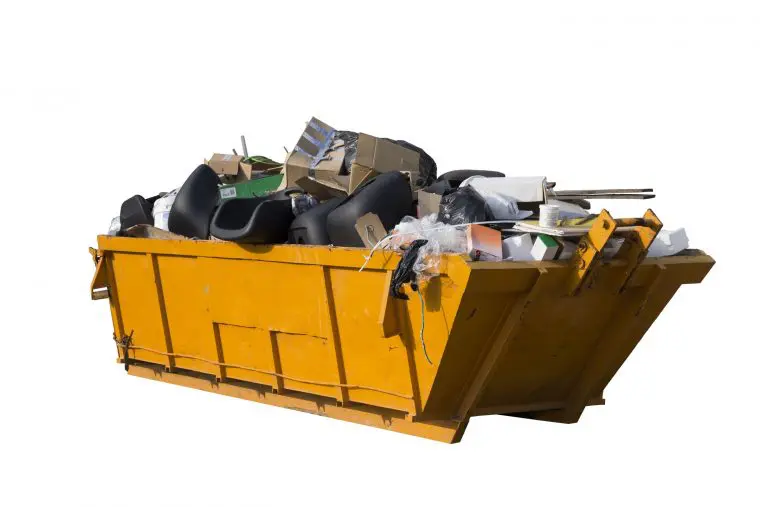
Let’s be honest. If you’re here, something in your home, backyard, or worksite has gone terribly wrong. Maybe you’ve finally decided to clean out the shed you’ve been ignoring since Julia Gillard was PM. Maybe you’re renovating, and the debris is starting to form its own civilisation. Or maybe you underestimated how much waste a “small weekend project” can actually produce.
Whatever the situation, one thing is clear: You need Skip Bin Hire, and you need to know how not to mess it up.
This blog exists for a single purpose: to help Australians understand the do’s, don’ts, and the nasty, expensive mistakes people make when hiring a skip bin. And because humans have short attention spans (don’t deny it), we’ll keep things snappy, structured, and fun—with expert tips, common pitfalls, quizzes, and a realistic quick guide.
This article is not a landing page; it’s a full educational guide built around the search intent behind Skip Bin Hire, giving you the clarity you need to book the right bin and avoid painful surprises.
Quick Overview: Snapshot Summary
Here’s your mini cheat-sheet before the deep dive:
-
Do: Choose the right skip size—going too small always backfires.
-
Do: Check what materials are allowed. Not everything is “just rubbish.”
-
Don’t: Overfill the bin unless you enjoy extra fees and stern phone calls.
-
Don’t: Ignore council rules if placing a bin on the street.
-
Biggest money mistakes: Wrong size, wrong type of bin, wrong waste category, wrong placement, and ignoring weight limits.
Skip bin hire is simple… until you do one thing wrong. Want to avoid the expensive mistakes? Keep reading.
The Do’s of Skip Bin Hire (Do These and You’ll Save Money)
Do #1: Pick the Right Size (Seriously, Stop Guessing)
Every Australian thinks they can “make it fit.” No.
Skip bins come in multiple sizes—2m³, 4m³, 6m³, 8m³ and beyond.
Quick size guide:
-
2m³: Small clean-ups
-
4m³: Yard waste or decluttering
-
6m³: Renovations or heavy mixed waste
-
8m³+: Construction, large demolitions, major clean-outs
Pro Tip Box:
Always go one size bigger than you think.
Every homeowner underestimates their waste. It’s practically an Australian tradition.
Do #2: Know What You’re Allowed to Put In
Skip bins are not magical voids where all sins disappear. Some items are banned:
-
Chemicals and liquids
-
Batteries
-
Asbestos
-
Gas cylinders
-
Paints (unless dried)
-
Tyres (extra charges may apply)
If you wouldn't put it in your coffee, don’t put it in the skip. That’s not a real rule, but it should be.
Do #3: Place the Bin Wisely
Choose a location with:
-
Driveway access
-
Enough space for the truck
-
A flat surface
-
No risk of blocking your neighbour’s driveway (unless you want war)
If you need the bin on the street, check council permit rules. Fines aren’t cute.
Do #4: Load Heavy Items First
Rookie mistake: throwing soft junk first and heavy concrete last.
Start with heavy items at the bottom to:
-
Keep weight distributed
-
Prevent dangerous shifting
-
Maximise space
Your lower back will still hate you, but slightly less.
The Don’ts of Skip Bin Hire (Avoid These Painful Mistakes)
Don’t #1: Overfill the Skip Bin
Skip bins are filled to the rim—not Mount Everest height.
If it can’t be legally transported, the driver won’t take it.
You’ll either:
-
Pay extra
-
Have to unload waste
-
Or both (my condolences in advance)
Don’t #2: Mix Waste Types Incorrectly
Some waste categories cost more:
-
Green waste
-
General household waste
-
Construction waste
-
Heavy mixed waste
If you mix brick rubble with your kids’ old toys, the disposal costs explode.
Don’t #3: Ignore Weight Limits
Bricks, tiles, concrete… they get heavy fast.
Heavy waste is charged differently for a reason.
Skip bins aren't bottomless pits.
They have limits, and exceeding them turns your budget into dust.
Don’t #4: Leave Waste Hanging Over the Edges
If your old sofa is hanging out like it’s sunbathing, that’s unsafe.
The driver will not “just strap it down.”
This is Australia, not Fast & Furious.
Don’t #5: Book the Bin for Too Short a Time
Everyone assumes they’ll finish quickly.
Then the weekend happens… and suddenly the bin is overflowing.
Always give yourself an extra day or two.
Expensive Mistakes People Make With Skip Bin Hire
Here’s where real money gets burned:
Mistake #1: Choosing the Cheapest Option
The cheapest bin isn’t the best bin.
Low-cost providers often charge more for:
-
Excess weight
-
Restricted items
-
Delivery changes
-
Pickup delays
-
Sorting fees
Cheap upfront, expensive later.
Mistake #2: Estimating Waste by “Feeling”
Your “gut feeling” is not a measuring tool.
Always estimate in cubic metres or use provider sizing guides.
Mistake #3: Forgetting About Access
If the truck can’t reach your bin, guess what?
You’ll be charged anyway.
Clear the driveway.
Move the cars.
Bribe your neighbour with banana bread if needed.
Mistake #4: Using Skip Bins for Prohibited Waste
If the company opens the bin and finds asbestos…
Well, your bank account is going to cry.
Mistake #5: Not Comparing Waste Categories
General waste and mixed heavy waste are not priced the same.
Get the wrong bin type, and you’ll pay for disposal at premium rates.
Did You Know? Box
Many Aussie skip bin companies recycle up to 80% of waste, reducing landfill impact.
So yes, hiring a skip bin can actually be good for the environment.
Quick Guide: How to Avoid the Most Expensive Skip Bin Mistakes
The Situation
You’re preparing for a full home clean-out.
Old furniture, broken appliances, garden waste, renovation leftovers…
Everything is piling up fast, and you’re not sure what bin to pick.
Common Challenges
-
Not knowing the right size
-
Unsure about what materials are allowed
-
Tight access around the home
-
Concern about going over weight limits
Smart Solutions That Actually Work
1. Measure Waste Visually but Accurately
Use the “trailer rule”:
One box trailer = approx. 1m³.
2. Identify Waste Categories Early
Separate waste into piles to help choose the right bin type.
3. Prep the Placement Area
Clear the driveway, level the space, and keep a metre of clearance.
4. Load Efficiently
Heavy items at the bottom, break down furniture, flatten boxes, fill gaps.
Why This Method Works
It reduces cost blowouts, prevents weight issues, avoids fines, and ensures the bin is collected smoothly without surprises.
Survey: What Type of Skip Bin User Are You?
-
The Renovator
Saw one YouTube video and decided to knock down a wall. -
The Declutterer
Suddenly hates everything they own. -
The Gardener
Has more branches than a eucalyptus forest. -
The “I’ll Just Wing It” Person
Makes every mistake we listed today.
Quick Quiz: Are You About to Make a Skip Bin Mistake?
1. Do you think a 2m³ bin is enough for a home renovation?
A. Yes
B. No
C. I’m scared to answer
Correct: B.
2. Can you throw paint tins into a skip?
A. Only if the paint is dry
B. Yes, always
C. No
Correct: A.
3. Should you load heavy waste last?
A. Yes
B. No
Correct: B. Heavy waste goes first.
FAQs About Skip Bin Hire
1. How long can I hire a skip bin for?
Most companies offer 3–7 days, but extensions are usually available.
If you know your project will drag on (like all DIY projects do), book extra days upfront.
2. What items are banned from skip bins?
Common restricted items include:
-
Chemicals
-
Oils
-
Gas bottles
-
Batteries
-
Asbestos
-
Liquids
Important: If you're unsure, ask the provider before tossing it in.
3. Can skip bins go on public roads or footpaths?
Yes, but council permits are often required.
This varies between states and councils.
Avoid fines by checking first.
4. What’s the best skip size for moving house?
Usually 4m³ to 6m³, depending on how sentimental you are about your junk.
5. Are skip bins good for green waste?
Absolutely.
Green waste bins are cheaper and perfect for:
-
Branches
-
Leaves
-
Soil
-
Grass cuttings
Just don’t mix green waste with bricks or tiles unless you enjoy paying more.
Conclusion
Skip Bin Hire is one of the most convenient, cost-effective ways to manage waste in Australia—but only if you avoid the common mistakes people make when choosing, loading, or placing a bin.
Choosing the right size, understanding waste categories, and following simple do’s and don’ts can save you time, stress, and hundreds of dollars.
Whether you’re renovating, decluttering, landscaping, or preparing for a move, taking a smarter approach to skip bin hire ensures a smooth, hassle-free clean-up.
Make informed decisions today, and your future self will thank you (and so will your wallet).

 English
 Arabic
 French
 Portuguese
 Deutsch
 Turkish
 Dutch
Dutch
 Italiano
 Russian
 Romaian
 Portuguese (Brazil)
 Greek
Greek
