


 Downloader
 Free FTP
Promote Your Product
Got a product, service, or story to share? Promote it directly to our active community and boost your brand today.
Create an Ad
Publish Bulk Blog Posts
Boost Your Reach! 📝
Have articles, guest posts, or bulk stories to publish? Send your content directly to our editorial team and feature on our platform.
Email Us Your PostsHow Hoarding Cleaning Services Handle Biohazards, Mould, Pests, and Structural Risks
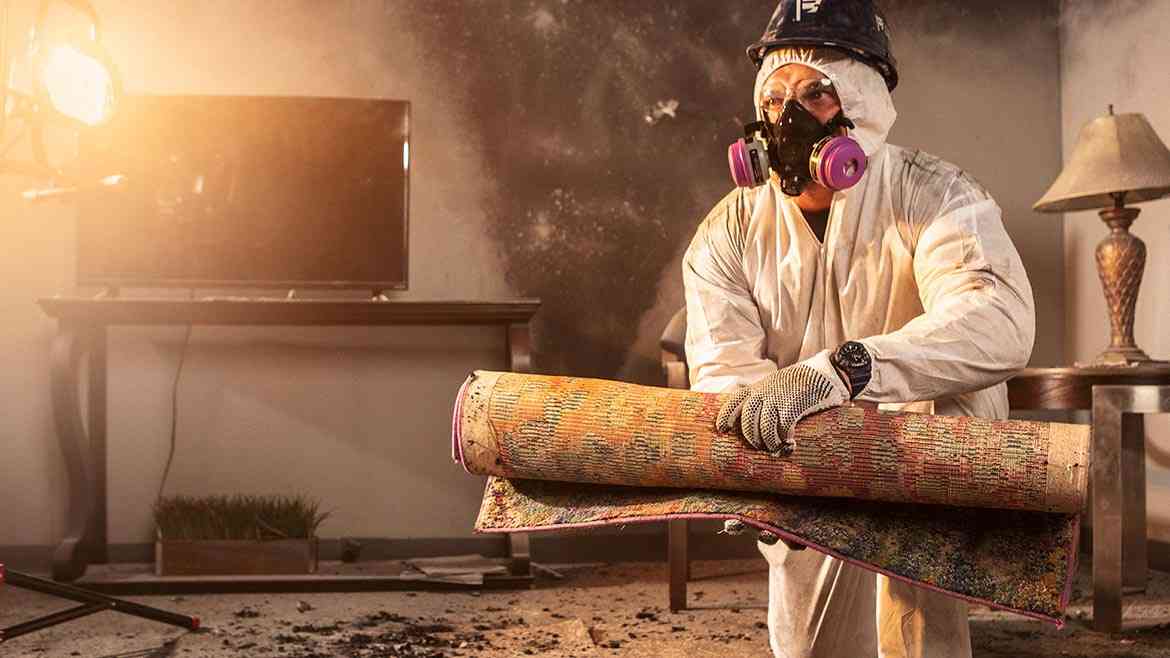
Hoarding cases are never “just messy homes.” They’re complex environments where safety hazards multiply quietly: mould spreads behind furniture, pests build colonies, waste decays, and structural issues grow unnoticed. This guide explains how professional Hoarding Cleaning Services in Australia handle these high-risk situations with the specialised tools, training, and protocols required to restore a safe living environment.
If you're searching for Hoarding Cleaning Services, this article breaks down what actually happens during the cleanup process, why professional intervention is essential, and how trained teams manage everything from biohazards and odours to weakened floors and pest infestations. Whether you're supporting a loved one or preparing a property for restoration, this guide gives you a clear, practical understanding of what to expect.
Quick Overview (At a Glance)
Here’s a fast summary of what you'll learn:
-
The difference between clutter and hoarding (and why it matters for safety).
-
Common biohazards found in hoarding environments.
-
How professionals identify, remove, and treat mould.
-
Pest risks: rodents, insects, fleas, mites, and what cleaners do about them.
-
The often-hidden structural dangers inside hoarded properties.
-
Safety equipment, regulations, and cleaning protocols used in Australia.
-
How Hoarding Cleaning Services protect both occupants and cleaners.
Want to dive deeper? Keep reading!
Understanding the Risks Behind Hoarded Homes
Hoarding environments can look overwhelming, but the real danger lies beneath the visible clutter. Professionals are trained to quickly identify risks that the average person wouldn’t consider.
The Four Major Threat Categories
-
Biohazards (bodily fluids, waste, sharps, decaying food, contaminated materials)
-
Mould growth caused by moisture, poor ventilation, and hidden leaks
-
Pests and vermin that thrive in accumulated debris
-
Structural damage from weight, moisture, or long-term neglect
To handle these safely, Hoarding Cleaning Services follow strict Australian health, safety, and waste-disposal standards.
How Professionals Manage Biohazards in Hoarded Environments
Biohazards are one of the most serious concerns in hoarded properties. The combination of organic waste, spoiled food, stagnant water, and animal droppings creates a high-risk environment.
Common Biohazards Found in Hoarding Cleanups
-
Decaying food and liquids
-
Rodent and insect droppings
-
Urine or faeces (human or animal)
-
Sharps such as needles or broken glass
-
Bacteria and viruses
-
Contaminated materials (mattresses, carpet, clothing)
Did You Know?
In extreme hoarding cases, ammonia levels from urine can reach unsafe concentrations, requiring ventilators and specialised respiratory protection.
How Cleaners Safely Remove Biohazards
Professional hoarding cleaners use a multi-step process:
-
Risk Assessment
They identify contaminated areas, check ammonia levels, and decide what PPE (personal protective equipment) is required. -
Zoned Cleaning System
Areas are isolated to avoid cross-contamination. -
Biohazard Removal
Waste is removed using industrial-grade tools and PPE. -
Sanitisation
Hospital-grade disinfectants neutralise bacteria, viruses, and odours. -
Specialist Waste Disposal
Biohazards must be disposed of according to Australian regulations — something DIY cleaners cannot legally or safely do.
How Hoarding Cleaning Services Identify and Treat Mould
Mould thrives in dark, humid environments with limited airflow — making hoarded spaces a perfect breeding ground. Because furniture or clutter often blocks ventilation, mould can spread unnoticed for years.
Common Causes of Mould in Hoarded Homes
-
Leaking pipes hidden behind clutter
-
Condensation from unventilated areas
-
Food decomposition
-
Damp paper or fabric piles
-
Poor airflow
Expert Insight:
Mould can begin growing within 24–48 hours on damp surfaces and may release spores that trigger asthma, allergies, chronic headaches, and respiratory illness.
How Professionals Handle Mould
-
Inspection With Moisture Meters
Cleaners identify affected surfaces, hidden leaks, and high-humidity zones. -
Removal of Contaminated Items
Porous items (cardboard, soft furnishings) often need disposal. -
HEPA Vacuuming
Removes loose spores safely. -
Antimicrobial Treatment
Specialists apply mould-killing solutions that prevent regrowth. -
Air Restoration
Air scrubbers and dehumidifiers restore safe indoor moisture levels.
This isn’t just cosmetic cleaning. It’s health restoration.
Pest Infestations: What Hoarding Cleaning Services Are Trained to Handle
When clutter accumulates, pests find the ideal environment to hide, nest, and multiply. Professional cleaners often uncover infestations that occupants didn’t know existed.
Common Pests in Hoarded Homes
-
Rats and mice
-
Cockroaches
-
Flies
-
Ants
-
Fleas and mites
-
Maggots
-
Spiders
-
Bed bugs
Sometimes all of them at once, because the universe has a sense of humour.
Why Pests Are Dangerous
-
They spread disease
-
They contaminate food surfaces
-
They damage wiring and insulation
-
They worsen respiratory illnesses
-
They create additional biohazards
How Professionals Handle Pest-Related Risks
-
Initial Assessment
Cleaners identify droppings, nests, and feeding areas. -
Coordinated Pest Control
Hoarding Cleaning Services often work alongside licensed pest technicians. -
Removal of Infested Materials
Anything containing nests or contamination is safely disposed of. -
Deep Cleaning & Sanitisation
Removes bacteria, odours, and attractants. -
Preventative Treatment
Entry points may be sealed or surfaces treated to prevent re-infestation.
Structural Risks: The Hidden Dangers No One Expects
One of the most overlooked dangers in hoarding homes is structural instability.
Typical Structural Hazards
-
Weak flooring from moisture damage
-
Collapsed shelving or furniture
-
Rotting timber
-
Walls weakened by mould and water leaks
-
Staircases blocked by clutter
-
Entryways obstructed — a fire hazard
-
Hazardous weight loads (e.g., newspapers stacked to the ceiling)
How Hoarding Cleaning Services Address These Issues
-
Conduct safety assessments before beginning work
-
Avoid entering unstable rooms until cleared
-
Use climbing gear or reinforced boards for risky flooring
-
Remove clutter strategically to avoid collapse
-
Document structural concerns for repair technicians
These teams aren’t just cleaners. They’re trained in hazard identification and emergency response procedures.
Pro Tip:
If you suspect structural weakness, never attempt a DIY cleanup. One wrong step can cause a collapse or injury.
Quick Guide: When Biohazard-Level Hoarding Requires Professional Help
The Situation
You notice strong odours, pests, or mould in a hoarded property. Clutter blocks access to kitchens or bathrooms. The home feels unsafe, but cleaning feels overwhelming or impossible to do alone.
Common Challenges
-
Are you worried pests or mould may be affecting health?
-
Are you unsure where to start or how to dispose of hazardous materials?
-
Is the clutter too heavy or unsafe to navigate?
How to Solve It (Practical Steps)
1. Call a professional Hoarding Cleaning Service: They can assess risks and create a safe, structured plan.
2. Prioritise safety over speed: Biohazards and unstable structures require slow, strategic clearing.
3. Prepare essential pathways first: Professionals often clear hallways, kitchens, and bathrooms for safe access.
4. Combine cleaning with pest and mould treatment: Most hoarding jobs require multiple trades working together.
Why It Works
Because hoarding environments contain hidden dangers. Professionals handle these risks with proper equipment, training, and disposal methods. This ensures the property becomes safe, healthy, and functional again.
Survey: How Severe Is the Hoarding Situation?
Tick the options that apply:
1. What risks do you suspect?
☐ Mould
☐ Biohazards
☐ Pest infestation
☐ Structural damage
☐ Unsure
2. Are essential rooms accessible?
☐ Yes
☐ Partially
☐ No, rooms are blocked
3. Are there strong odours?
☐ Mild
☐ Noticeable
☐ Overwhelming
4. How long has the issue been present?
☐ Weeks
☐ Months
☐ Years
If you selected mostly “No,” “Overwhelming,” or “Years,” the property likely needs professional Hoarding Cleaning Services immediately.
FAQs About Hoarding Cleaning Services in Australia
1. Are Hoarding Cleaning Services trained to handle biohazards?
Yes. Hoarding cleaners receive specialised training in biohazard handling, PPE use, cross-contamination prevention, and regulated waste disposal. They follow strict Australian standards for safety.
2. How long does a hoarding cleanup take?
It depends on severity, access, pest activity, and the volume of debris. A standard cleanup may take 1–3 days, while extreme cases require a full team and several days or more.
3. Do Hoarding Cleaning Services work with pest control teams?
Often yes. Cleanup and pest control go hand-in-hand because removing clutter exposes infestations and allows exterminators to treat hidden areas effectively.
4. What if the home has mould?
Professionals will identify, isolate, and treat mould using HEPA filtration, antimicrobial solutions, and dehumidification. Severe cases may require a mould remediation technician.
5. Is it safe for family members to assist with the cleanup?
Not usually. Without PPE and hazard training, families risk exposure to bacteria, spores, and unsafe structures. It’s best to let professionals handle the hazardous components.
Conclusion
Hoarding environments can hide serious risks that go far beyond visible clutter. From biohazards and mould to pests and structural instability, these dangers require trained professionals who can restore safety with proper methods, protective equipment, and compliance with Australian regulations.
Professional Hoarding Cleaning Services offer a structured, compassionate, and highly specialised approach to transforming unsafe spaces into healthy, liveable homes.
With their ability to manage everything from sanitation and odour removal to pest control and hazard identification, these services are essential for ensuring long-term wellbeing, safety, and peace of mind for everyone involved.

 English
 French
 Spanish
 Portuguese
 Deutsch
 Turkish
 Dutch
Dutch
 Italiano
 Russian
 Romaian
 Portuguese (Brazil)
 Greek
Greek
