


 Downloader
 Free FTP
Promote Your Product
Got a product, service, or story to share? Promote it directly to our active community and boost your brand today.
Create an Ad
Publish Bulk Blog Posts
Boost Your Reach! 📝
Have articles, guest posts, or bulk stories to publish? Send your content directly to our editorial team and feature on our platform.
Email Us Your PostsWhat foods should be avoided during diarrhea?
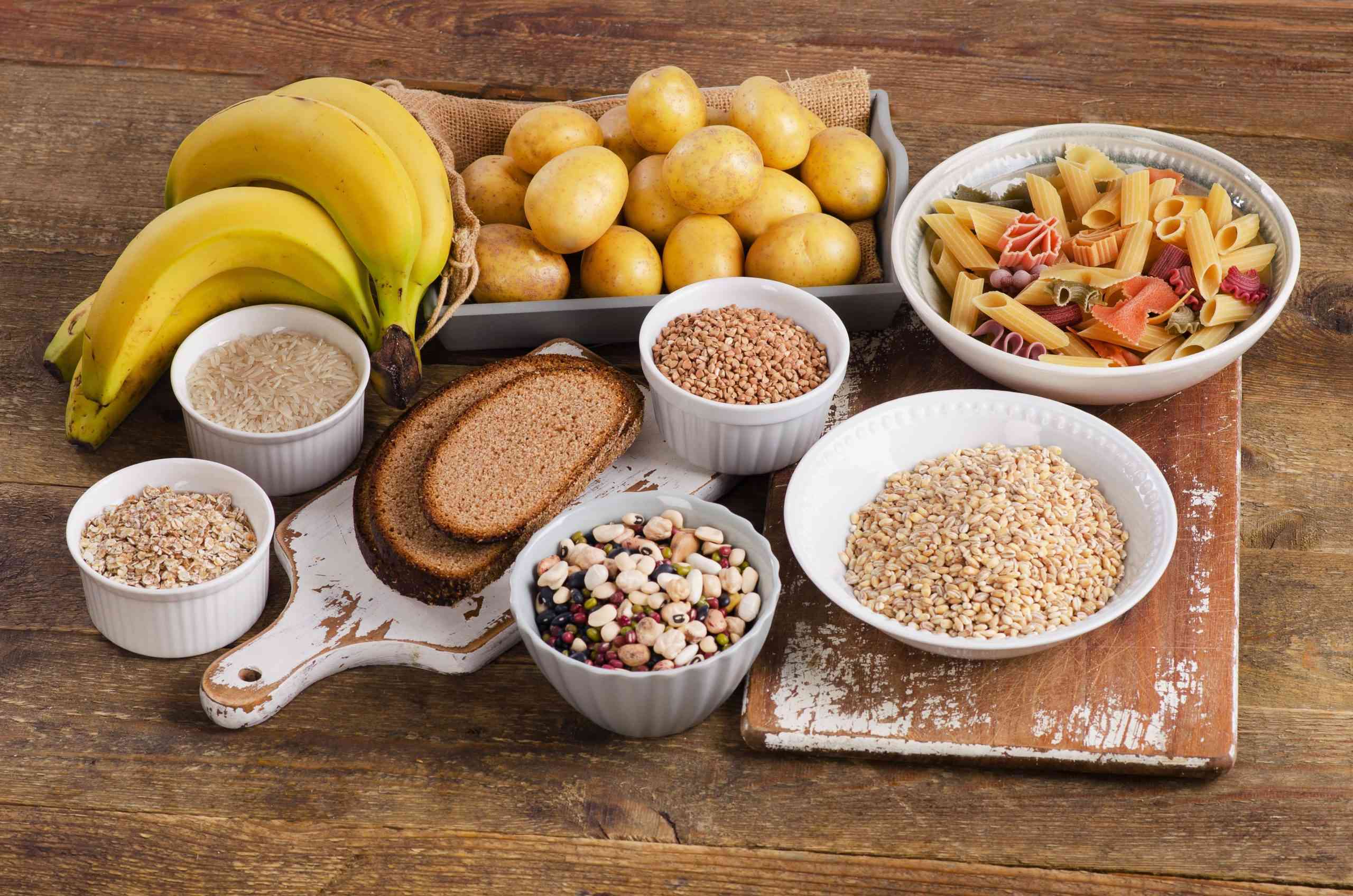
Diarrhea is a common digestive problem that can occur due to infections, food intolerance, stress, or medication side effects. While treatments such as oral rehydration solutions and, in some cases, prescribed medicines like nizonide 500 may be recommended by a healthcare professional, diet plays a crucial role in recovery. Eating the wrong foods during diarrhea can worsen symptoms, increase dehydration, and prolong discomfort. Understanding which foods to avoid helps protect the digestive system, reduce irritation, and support faster healing.
When diarrhea strikes, the digestive tract becomes inflamed and sensitive. The body struggles to absorb nutrients and fluids properly, which is why choosing gentle foods—and avoiding irritating ones—is essential. Certain foods can stimulate bowel movements, increase gas, or irritate the intestinal lining, making diarrhea more severe. Let’s explore the foods that should be avoided during diarrhea and why they can worsen symptoms.
1. Dairy Products
One of the most important food groups to avoid during diarrhea is dairy. Milk, cheese, butter, ice cream, and yogurt can be difficult to digest when the gut is inflamed. Diarrhea often temporarily reduces the body’s ability to digest lactose, the natural sugar found in dairy products.
Consuming dairy during this time may lead to:
-
Increased bloating
-
Gas
-
Abdominal cramps
-
Worsening loose stools
Even people who are not normally lactose intolerant may experience symptoms during diarrhea. It’s best to avoid dairy products until bowel movements return to normal.
2. Fatty and Fried Foods
High-fat foods are hard on the digestive system, especially during diarrhea. Fried foods, fast food, greasy snacks, processed meats, and heavy sauces can overstimulate the intestines and speed up bowel movements.
Fat slows digestion in a healthy gut, but in an irritated gut, it can:
-
Increase stool looseness
-
Trigger nausea
-
Cause stomach pain
Examples of foods to avoid include:
-
Fried chicken
-
French fries
-
Burgers
-
Pizza
-
Creamy gravies
These foods can delay recovery and worsen dehydration.
3. Spicy Foods
Spicy foods are a major trigger for digestive irritation. Chilies, hot sauces, pepper-heavy dishes, and spicy curries can inflame the intestinal lining and increase bowel sensitivity.
Capsaicin, the compound responsible for heat in spicy foods, can:
-
Stimulate intestinal contractions
-
Increase stool frequency
-
Cause burning sensations
During diarrhea, it’s best to choose bland, mild foods and avoid spices entirely until digestion stabilizes.
4. Sugary Foods and Sweets
Foods high in sugar should be avoided during diarrhea because excess sugar draws water into the intestines, making stools looser. This process, known as osmotic diarrhea, can worsen dehydration.
Foods to limit or avoid include:
-
Candy
-
Cakes and pastries
-
Sugary cereals
-
Sweetened desserts
Sugar also feeds harmful gut bacteria, which may prolong infection-related diarrhea.
5. Artificial Sweeteners
Artificial sweeteners such as sorbitol, mannitol, xylitol, and aspartame are common in sugar-free gum, candies, and diet drinks. These sweeteners are poorly absorbed in the intestines and can act as laxatives.
During diarrhea, artificial sweeteners may:
-
Increase gas
-
Cause cramping
-
Worsen loose stools
Even small amounts can significantly aggravate symptoms, so they should be completely avoided.
6. Caffeinated Beverages
Caffeine stimulates the digestive tract and can increase bowel movements. Drinks like coffee, strong tea, energy drinks, and caffeinated sodas should be avoided during diarrhea.
Caffeine can:
-
Speed up intestinal activity
-
Increase fluid loss
-
Worsen dehydration
Additionally, caffeine can irritate the stomach lining, making symptoms like cramps and nausea worse.
7. Alcohol
Alcohol is extremely dehydrating and irritating to the digestive system. When experiencing diarrhea, alcohol should be avoided entirely.
Alcohol:
-
Increases fluid loss
-
Irritates the intestinal lining
-
Weakens the immune system
-
Delays gut healing
Beer, wine, spirits, and mixed drinks can significantly prolong diarrhea and increase the risk of dehydration.
8. High-Fiber Foods (Temporarily)
While fiber is normally beneficial, insoluble fiber can worsen diarrhea by increasing stool bulk and speeding up digestion. Foods high in insoluble fiber should be avoided during acute diarrhea.
These include:
-
Whole grains
-
Bran cereals
-
Raw vegetables
-
Nuts and seeds
Fiber can be slowly reintroduced once stools become more formed.
9. Raw Fruits and Certain Fruit Juices
Some fruits contain high amounts of fructose or fiber, which can worsen diarrhea. Fruit juices are especially problematic because they are high in sugar and lack fiber balance.
Fruits and juices to avoid:
-
Apples and apple juice
-
Pears
-
Mangoes
-
Grapes
-
Prune juice
These can increase stool looseness and gas. Cooking fruits reduces fiber content and makes them easier to digest.
10. Gas-Producing Foods
Foods that produce gas can increase bloating, pressure, and abdominal pain during diarrhea.
Common gas-producing foods include:
-
Beans and lentils
-
Cabbage
-
Broccoli
-
Cauliflower
-
Onions
Gas buildup puts additional stress on an already irritated digestive tract and should be avoided until recovery.
11. Highly Processed Foods
Packaged and processed foods often contain preservatives, artificial flavors, excess salt, and unhealthy fats. These ingredients can irritate the intestines and worsen symptoms.
Examples include:
-
Chips
-
Packaged snacks
-
Ready-to-eat meals
-
Processed meats
Processed foods also lack the nutrients needed for gut recovery.
12. Cold or Extremely Hot Foods
Very cold or very hot foods can stimulate bowel movements by triggering intestinal reflexes. Ice-cold drinks or steaming-hot foods may worsen cramps and urgency.
Stick to:
-
Room-temperature foods
-
Warm (not hot) meals
This helps calm the digestive system.
13. Why Avoiding These Foods Matters
During diarrhea, the body loses fluids, electrolytes, and nutrients at a rapid rate. Eating irritating foods can:
-
Prolong diarrhea
-
Increase dehydration risk
-
Delay intestinal healing
-
Increase weakness and fatigue
Avoiding harmful foods allows the gut lining to repair itself and restore normal digestion more quickly.
14. When to Reintroduce Restricted Foods
Once diarrhea improves and stools become firmer:
-
Gradually reintroduce fiber
-
Add dairy slowly
-
Resume normal meals cautiously
Rushing back to a regular diet too soon can cause relapse.
15. When to Seek Medical Advice
Diet alone may not be enough if diarrhea:
-
Lasts more than 2–3 days
-
Is accompanied by fever
-
Includes blood or mucus
-
Causes severe dehydration
-
Occurs in young children or elderly individuals
A healthcare provider can identify the cause and recommend appropriate treatment.
Conclusion
Knowing what foods to avoid during diarrhea is essential for faster recovery and preventing complications. Dairy, fatty foods, spicy meals, sugar, caffeine, alcohol, artificial sweeteners, and high-fiber foods can all worsen symptoms when the digestive system is inflamed. Choosing gentle, bland foods and staying hydrated allows the intestines to heal and restores balance more quickly. With the right dietary choices and proper care, most cases of diarrhea resolve safely and comfortably.

 Arabic
 French
 Spanish
 Portuguese
 Deutsch
 Turkish
 Dutch
Dutch
 Italiano
 Russian
 Romaian
 Portuguese (Brazil)
 Greek
Greek
