


 Downloader
 Free FTP
Promote Your Product
Got a product, service, or story to share? Promote it directly to our active community and boost your brand today.
Create an Ad
Publish Bulk Blog Posts
Boost Your Reach! 📝
Have articles, guest posts, or bulk stories to publish? Send your content directly to our editorial team and feature on our platform.
Email Us Your PostsBest Practices for When to Start Brushing Baby Teeth
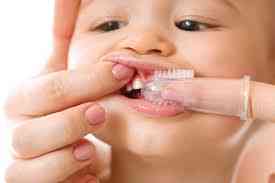
Caring for your child’s oral health begins far earlier than many parents expect. Knowing When to Start Brushing Baby Teeth plays a crucial role in their long-term dental health, comfort, and confidence. Even though baby teeth eventually fall out, their condition greatly influences speech development, nutrition, and the alignment of adult teeth. Building healthy oral care habits early sets the stage for a lifetime of strong teeth and good hygiene practices.
Parents often look for trustworthy guidance as they navigate the first stages of infant dental care. Questions arise about the type of toothbrush to use, whether toothpaste is necessary, and how often brushing should happen. Guidance from experts, including insights offered by Dental Advice Today, can help parents move forward with confidence. With the right knowledge, maintaining your baby’s oral health becomes simple, gentle, and reassuring.
This comprehensive guide walks you through the best time to begin brushing, step-by-step instructions, and tips for making the routine enjoyable. By understanding early dental development, parents can nurture their child’s smile and prevent common oral issues that may arise during infancy and toddlerhood.
Understanding the Importance of Early Oral Care
The foundation for strong oral health is established long before a child’s first dental appointment. Baby teeth, also known as primary teeth, influence more than chewing—they guide jaw development, help with pronunciation, and hold space for the permanent teeth that will eventually follow.
Why Baby Teeth Matter
Even though these teeth are temporary, their condition affects a child's overall well-being. Untreated decay in baby teeth can lead to:
-
Pain and discomfort
-
Difficulty eating and sleeping
-
Infection that may spread to other teeth or gums
-
Misalignment of future adult teeth
-
Long-term dental anxiety due to early negative experiences
This makes early oral care not just a recommendation but a necessity.
How Early Habits Shape Future Behaviors
Children who grow up with a consistent brushing routine are much more likely to continue these habits as they age. Establishing comfort and familiarity around brushing reduces resistance and teaches them the value of self-care. The earlier a child becomes accustomed to oral hygiene, the smoother the transition into independent brushing.
When You Should Begin Cleaning Your Baby’s Mouth
Before teeth even emerge, your baby’s gums need gentle cleaning. This protects the delicate tissues and removes harmful bacteria that can lead to early childhood cavities once teeth begin to appear.
Cleaning Before Teeth Erupt
Most infants begin teething between 4 and 7 months, though some may get their first tooth earlier or later. Even before that first tooth shows up, wiping the gums twice a day helps prepare your baby for future brushing. Use a soft, damp gauze pad or clean cloth to gently massage the gums.
This early routine:
-
Reduces bacteria
-
Prevents milk or formula residue buildup
-
Helps babies become comfortable with oral care tools
-
Supports the transition to brushing later
The Moment Teeth Appear
As soon as the first tooth erupts—typically the lower front tooth—it’s time to introduce a baby-sized toothbrush. The toothbrush should have:
-
Soft bristles
-
A small head
-
A comfortable handle for parents
Start brushing twice per day, particularly after the last feeding at night. Allowing milk to sit on the teeth overnight can lead to early decay, sometimes known as “baby bottle tooth decay.”
How to Brush Your Baby’s Teeth Correctly
Brushing a baby's teeth doesn’t have to be complicated. With gentle techniques and the right tools, parents can make the routine both effective and enjoyable.
Choosing the Right Toothpaste
Once your baby has their first tooth, you may begin using toothpaste in very small amounts. Guidelines recommend:
-
A smear of fluoride toothpaste the size of a grain of rice for children under age 3
-
A pea-sized amount after age 3
Fluoride strengthens enamel and helps prevent cavities, even in very young children. Always supervise brushing to ensure your child does not swallow too much toothpaste.
Gentle Brushing Techniques
Follow these steps for safe and effective brushing:
-
Sit your baby in your lap with their head resting against your chest for support.
-
Use a soft-bristled infant toothbrush.
-
Apply a smear of toothpaste if appropriate for your baby’s age.
-
Brush gently in tiny circular motions along the front, back, and chewing surfaces.
-
Brush the gums and tongue lightly, ensuring the mouth is fully cleaned.
-
Do not rinse with water—simply wipe away excess toothpaste if needed.
Consistency is key. Brushing twice daily provides constant protection and establishes a predictable routine.
Timing and Duration
While your baby may not tolerate long brushing sessions, aim for around two minutes whenever possible. As they grow, this becomes easier, and eventually, they will develop the patience required for full brushing sessions.
Signs Your Baby Is Ready for Independent Brushing
While parents should control brushing throughout the toddler years, children often show interest in participating early on. Encouraging involvement helps them build confidence.
Interest in Holding the Toothbrush
Your child might reach for the toothbrush or try to mimic your movements. Allow them to “practice” brushing while you maintain the true cleaning role.
Improved Motor Skills
Toddlers may begin moving the toothbrush around their mouth, though not thoroughly. This participation is valuable even if the cleaning isn’t perfect.
Understanding the Routine
Once your child knows that brushing happens every morning and night, they begin recognizing the importance of the process.
However, parents should continue supervising and assisting until at least age 6, when children typically develop the fine motor skills required for effective brushing.
Common Mistakes Parents Should Avoid
Even with the best intentions, some parents unknowingly make mistakes that can affect their baby’s oral health. Understanding these missteps helps you avoid them.
Using Too Much Toothpaste
A grain-of-rice-sized smear is sufficient for infants and toddlers under 3. Too much toothpaste can lead to fluorosis or stomach discomfort if swallowed.
Neglecting Nighttime Brushing
Skipping the bedtime brushing session allows sugars and bacteria to sit on the teeth for hours, significantly increasing the risk of decay.
Allowing Babies to Sleep With Bottles
Milk, formula, and juice contain sugars that, when pooled in the mouth, damage the enamel. Always remove the bottle once the feeding is done.
Inconsistent Brushing Routine
Irregular brushing can quickly lead to plaque buildup. Consistency ensures strong habits and better oral health.
Making Brushing Enjoyable for Babies and Toddlers
Turning brushing into a pleasant experience helps reduce fussiness and encourages cooperation. Babies who enjoy the routine are more likely to embrace it as they grow.
Use Songs or Rhymes
A short brushing song helps distract and entertain your baby. It also sets the expectation that brushing lasts for the duration of the tune.
Let Them Explore Dental Tools
Allow your child to play with a baby toothbrush outside brushing time. This reduces fear and increases familiarity.
Choose Fun, Colorful Brushes
Baby toothbrushes come in a variety of colors and designs. Choose something visually appealing to make the process exciting.
Brush Together
Children learn by example. If they watch you brush your teeth, they are more likely to imitate your behavior.
When to Schedule the First Dental Visit
A child’s first dental appointment should happen by age 1 or within six months of their first tooth appearing. Early visits provide numerous benefits:
-
Monitoring proper growth and alignment
-
Identifying early signs of decay
-
Offering guidance on brushing and feeding habits
-
Helping your child feel comfortable at the dentist
Regular checkups every six months support ongoing oral health and allow parents to stay informed about best practices.
Encouraging Lifelong Dental Health
Starting early with gentle brushing routines sets the foundation for a lifetime of healthy smiles. The habits parents establish in the first year of life shape their child’s dental future.
Positive Reinforcement Works Wonders
Celebrate milestones—such as brushing without fuss or learning to hold the toothbrush. Praise motivates children and makes them feel proud of their progress.
Develop a Consistent Routine
Perform brushing at the same times each day. Predictable routines reduce resistance and build comfort.
Stay Patient and Supportive
Some children take longer to adjust than others. Consistent encouragement, gentle techniques, and a calm approach go a long way in forming positive associations.
Conclusion
Knowing when and how to start brushing helps parents protect their baby’s oral health from the very beginning. By cleaning the gums early, brushing as soon as teeth appear, and maintaining consistent habits, families can prevent early decay and encourage healthy development. With the right tools, techniques, and professional guidance, brushing becomes an easy and enjoyable part of daily life—supporting confident smiles that last into adulthood.

 Arabic
 French
 Spanish
 Portuguese
 Deutsch
 Turkish
 Dutch
Dutch
 Italiano
 Russian
 Romaian
 Portuguese (Brazil)
 Greek
Greek
