


 Downloader
 Free FTP
Promote Your Product
Got a product, service, or story to share? Promote it directly to our active community and boost your brand today.
Create an Ad
Publish Bulk Blog Posts
Boost Your Reach! 📝
Have articles, guest posts, or bulk stories to publish? Send your content directly to our editorial team and feature on our platform.
Email Us Your PostsEfficient China–Pakistan Cargo Solutions: A Complete Guide for Businesses
Introduction
The trade relationship between China and Pakistan has grown rapidly over the last decade, with countless businesses relying on smooth cargo movement between the two countries. Whether you import electronics from Shenzhen or export goods to Guangzhou, understanding how China Pakistan cargo logistics work can save time, money, and operational stress.
This guide explains the major shipping methods, transit times, customs processes, and tips to improve your cargo workflow.
Why China–Pakistan Cargo Matters
China is Pakistan’s largest trading partner, and thousands of companies depend on reliable freight services. Efficient cargo logistics mean:
-
Lower transportation costs
-
Faster delivery timelines
-
Reduced supply chain disruptions
-
Better inventory management
Businesses that optimize their cargo strategy gain a competitive advantage in pricing and delivery speed.
Main Shipping Methods for China–Pakistan Cargo
1. Air Freight
Air freight is the quickest option for urgent shipments.
Best for:
-
Electronics
-
Cosmetics
-
Fashion accessories
-
Small, high-value items
Benefits:
-
Fast delivery (3–7 days)
-
High security
-
Excellent for e-commerce sellers
2. Sea Freight
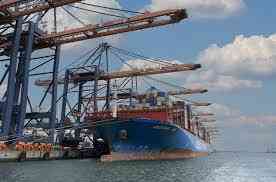
Sea freight is ideal for large volumes and heavy cargo.
Best for:
-
Machinery
-
Furniture
-
Bulk goods
-
Industrial equipment
Benefits:
-
Cost-effective for large loads
-
Suitable for long-term supply chain planning
-
Flexible container options (LCL/FCL)
3. Road & Rail Cargo Through CPEC
The China–Pakistan Economic Corridor (CPEC) enables land-based cargo through the Khunjerab Pass.
Benefits:
-
More stable pricing
-
Increased connectivity between western China and Pakistan
-
Useful for medium-speed delivery needs
Transit Times for China–Pakistan Cargo
-
Air Freight: 3–7 days
-
Sea Freight: 18–35 days depending on port and vessel schedule
-
Road/Rail Cargo: 8–15 days (seasonal variation due to border conditions)
These timelines depend on customs clearance, cargo volume, and carrier availability.
Customs & Documentation Required
Smooth customs handling is essential. Key documents include:
-
Commercial Invoice
-
Packing List
-
Bill of Lading or Air Waybill
-
Import License (if required)
-
HS Codes for classification
-
Certificates for restricted goods
A reliable cargo agent simplifies documentation to avoid delays or penalties.
How to Choose the Right Cargo Service
When selecting a freight forwarder for China–Pakistan cargo, evaluate:
-
Experience in cross-border shipments
-
Transparent pricing
-
Real-time tracking
-
Customs clearance expertise
-
Insurance options
-
Warehousing and consolidation services
Working with the right provider ensures your goods reach Pakistan safely, legally, and efficiently.
Tips to Reduce Shipping Costs
-
Consolidate shipments to lower per-unit cost
-
Choose LCL for smaller loads instead of paying for a full container
-
Plan shipments in advance to avoid peak-season surcharges
-
Negotiate long-term contracts with freight forwarders
-
Use accurate HS codes to prevent customs complications
Future of China–Pakistan Cargo
With expanding CPEC infrastructure, new trade routes, and improved digital tracking systems, the logistics landscape is becoming faster and more predictable. Businesses that integrate modern cargo solutions will benefit from smoother supply chains and greater global competitiveness.
Conclusion
China–Pakistan cargo logistics form a vital backbone for importers and exporters in both countries. By understanding shipping methods, transit times, documentation, and cost-saving strategies, businesses can streamline operations and boost profitability. With the right freight partner and smart planning, moving cargo between China and Pakistan becomes easier, safer, and more efficient than ever.

 English
 Arabic
 French
 Spanish
 Portuguese
 Deutsch
 Turkish
 Italiano
 Russian
 Romaian
 Portuguese (Brazil)
 Greek
Greek
