


 Downloader
 Free FTP
Promote Your Product
Got a product, service, or story to share? Promote it directly to our active community and boost your brand today.
Create an Ad
Publish Bulk Blog Posts
Boost Your Reach! 📝
Have articles, guest posts, or bulk stories to publish? Send your content directly to our editorial team and feature on our platform.
Email Us Your PostsElectric Fence Wire Types and Their Best Applications
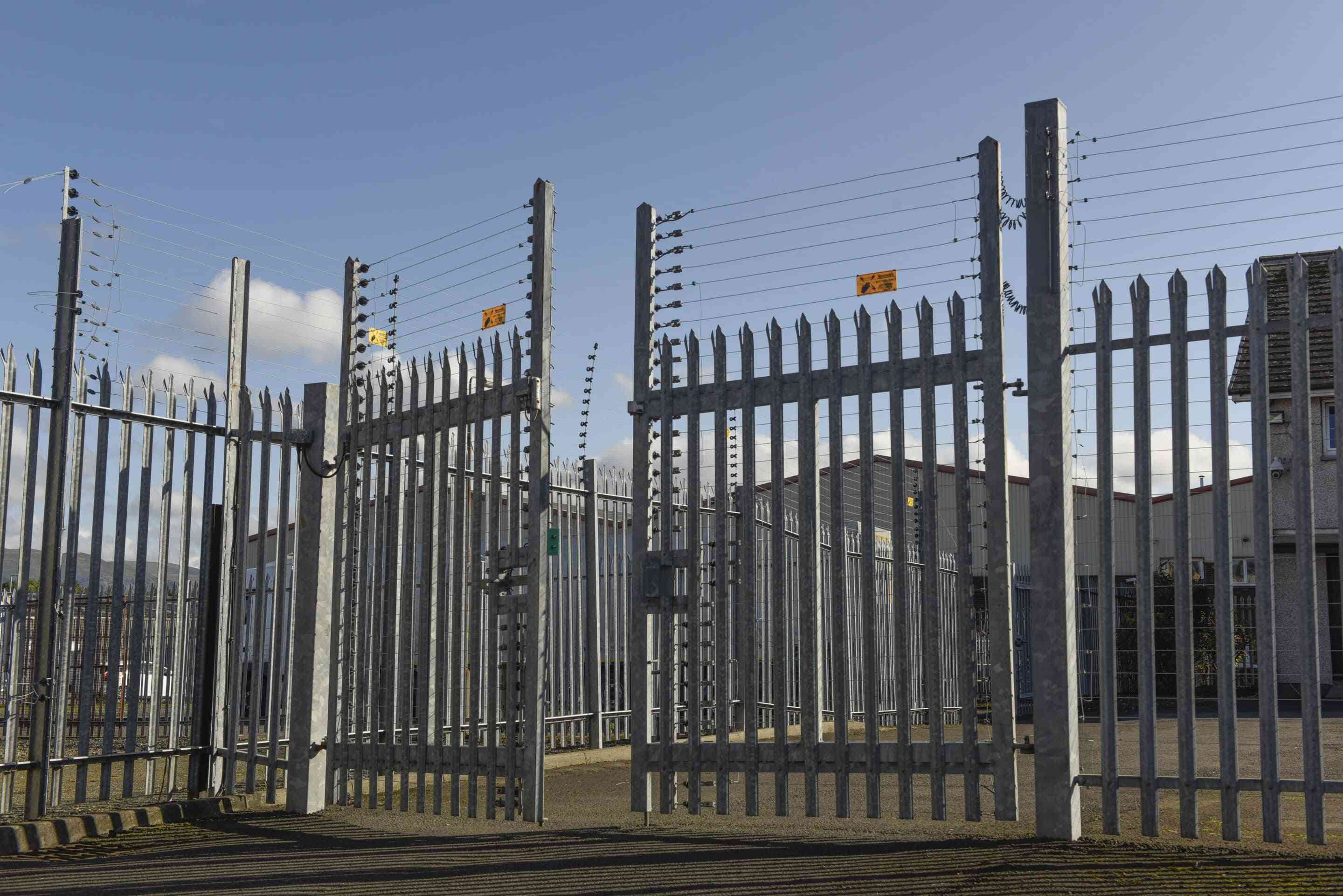
Choosing the right electric fence wire affects performance, safety, and long-term stability. Different properties, animals, and security goals call for different wire options.
From farms to city boundaries, each type serves a specific purpose. This guide explains how each wire works, where it fits best, and how to avoid poor choices when setting up an electric fence in Pakistan or other regions with similar conditions.
Key Benefits of Selecting the Right Wire
Picking the correct wire helps improve fence performance for long distances, harsh weather, and animal control. High-quality wire maintains strong pulses with minimal drop. It also supports smooth electric flow across long boundaries. Farmers can manage livestock more easily, while urban users gain better protection around walls. When the right wire is used, voltage stays consistent, and the system requires fewer repairs.
How Electric Fence Wires Function
Electric fence wires carry controlled pulses from the energizer to the perimeter. The wire acts as the conductor. When a person or animal touches it, they feel a short shock that encourages them to step back. The strength of this pulse depends on wire material, energizer power, grounding, and total fence length. In farms, longer fences require materials that maintain voltage over distance. In cities, smaller boundaries can use lighter wire without performance loss.
Material Types and Their Roles
Different wire types support different properties. Some wires carry strong pulses for long distances. Others offer flexibility for uneven land. Each type plays a clear role in fence design.
Wire Thickness and Fence Performance
Thicker wires handle more power and reduce voltage loss. Thinner options support shorter boundaries or lighter applications. The right size reduces power waste and helps keep shock levels stable.
Important Wire Features Property Owners Compare
Every wire type has unique features. Galvanized steel wire is strong and long-lasting. Aluminum wire offers smooth current flow. Polywire is flexible and easy to install. Each option performs differently depending on fence size and purpose. Many property owners ask Electricfence.com.pk for guidance when comparing durability, conductivity, and weather resistance.
Galvanized Steel Wire Features
Steel wire is one of the strongest options. It resists damage, supports long spans, and works well for security setups. It is often used in city walls and long farm boundaries.
Aluminum Wire Features
Aluminum offers better conductivity than steel. It is light and easy to handle. It suits large farm areas where long-distance voltage stability matters.
Polywire and Polytape Features
These options use woven strands with metal cores. They are flexible, visible, and easy to shift. Farmers use them for temporary sections or animal training.
Common Mistakes When Choosing Fence Wire
Some users select wire based on cost alone, which results in poor performance. Others mix incompatible wire types on the same line, causing voltage drop. A frequent issue is choosing thin polywire for large farms where long-distance conductivity is necessary. Some also skip checking wire coatings, leading to rust. Another mistake is ignoring weather impact, which affects long-term durability. Wrong wire choice increases strain on the energizer and can lead to repeated electric fence repairs.
Expert Advice for Better Wire Selection
Start by measuring property size and checking terrain shape. Pick wire based on distance, not just price. Use proper insulators to prevent energy loss. Keep vegetation trimmed so it does not touch the wire. Review energizer strength to match the wire type. Use tensioners on steel wire for clean lines. Before finalizing any setup, many users consult Electricfence.com.pk for help matching wire type to farm or home layouts.
FAQs
Which wire works best for farms?
Aluminum wire is a strong choice for long farm borders because it carries voltage easily across distance.
Can polywire be used for permanent fencing?
It can be used, but it performs better for temporary or medium-term setups.
How long does galvanized steel wire last?
It lasts many years when installed correctly and protected from rust and vegetation.
Why does my fence lose voltage?
Poor grounding, vegetation contact, or mixed wire types can lower voltage.
Is aluminum wire safe for livestock?
Yes, it gives a clear shock but remains safe when used with proper energizer settings.
Get Started With Your System
If you want a fence that performs well for farms or city properties, take time to compare wire strength, distance requirements, and fence layout. A reliable installer or supplier can help match the right wire type to your property and guide you toward a setup that supports long-term protection.

 English
 Arabic
 French
 Spanish
 Portuguese
 Deutsch
 Turkish
 Dutch
Dutch
 Italiano
 Romaian
 Portuguese (Brazil)
 Greek
Greek
