


 Downloader
 Free FTP
Promote Your Product
Got a product, service, or story to share? Promote it directly to our active community and boost your brand today.
Create an Ad
Publish Bulk Blog Posts
Boost Your Reach! 📝
Have articles, guest posts, or bulk stories to publish? Send your content directly to our editorial team and feature on our platform.
Email Us Your PostsWhy Storage as a Service Is the Future of Enterprise Data Management
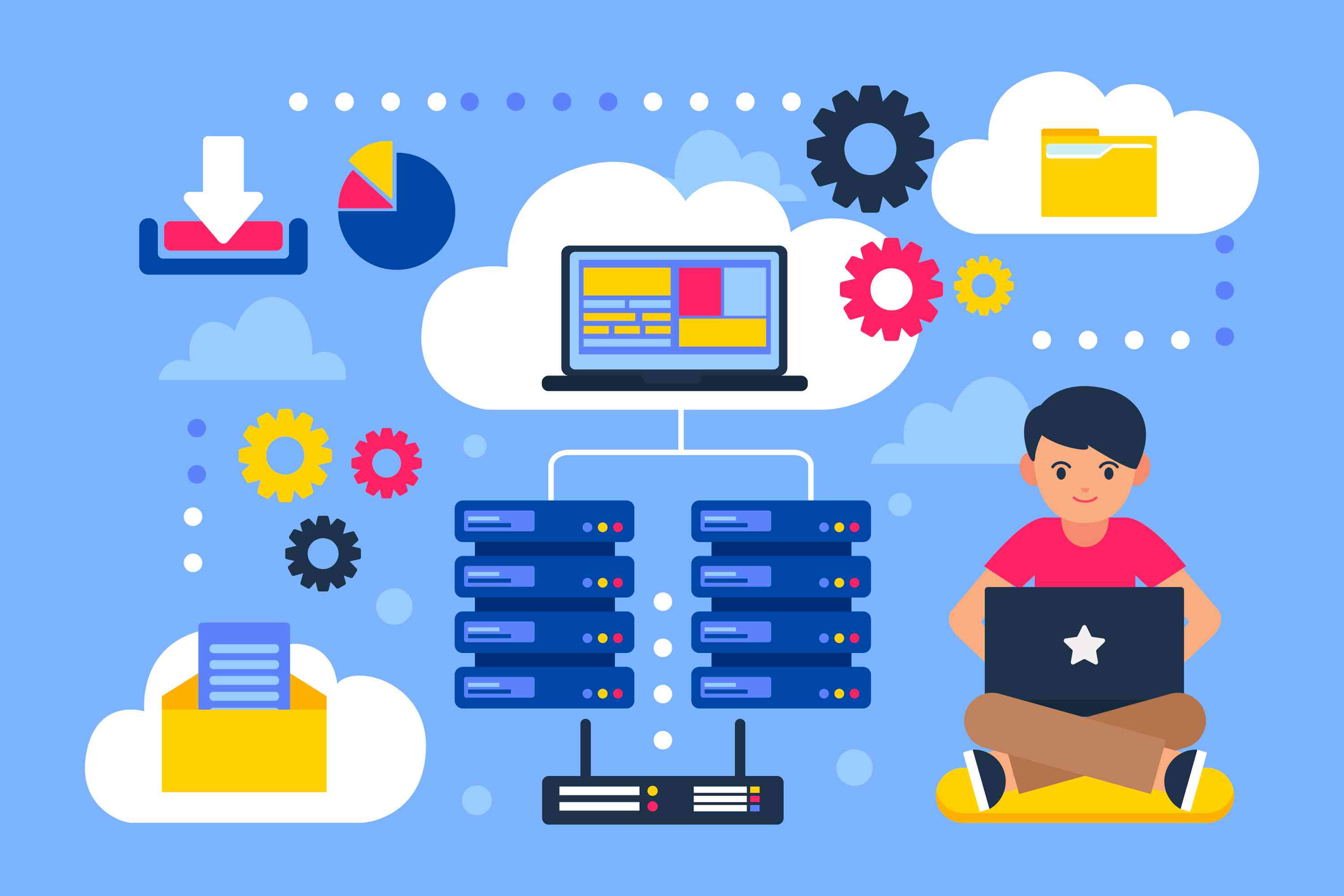
In an era where data drives every major business decision, enterprises are under constant pressure to store, manage, and secure exponentially growing volumes of information. Traditional storage infrastructures often fall short due to high costs, limited scalability, and increasing maintenance demands. This is where Storage as a Service (STaaS) emerges as a transformative solution. Offering flexible, scalable, and cost-efficient storage resources, STaaS is redefining how organizations handle their data today—and how they will manage it in the future.
1. The Shift Toward Cloud-Based Data Management
Enterprises are rapidly moving away from on-premises storage systems. Hardware-based setups simply cannot keep up with the growing data landscape. Storage as a Service provides cloud-based, on-demand storage that adapts to changing business needs without requiring physical infrastructure.
Key reasons for this shift:
-
Reduced capital expenditure
-
Increased operational flexibility
-
Ability to expand storage instantly
-
Better resource allocation for IT teams
By eliminating the need for hardware upgrades and complex maintenance, STaaS delivers a modern, agile alternative to outdated storage methods.
2. Scalability That Matches Enterprise Growth
One of the defining benefits of Storage as a Service is effortless scalability. Enterprises frequently experience data surges during product launches, expansion phases, or seasonal growth. STaaS enables businesses to scale storage capacity up or down instantly.
Why scalability matters:
-
Prevents downtime during high-demand periods
-
Avoids overspending on unused storage
-
Supports long-term business expansion
This on-demand scalability ensures enterprises remain flexible and prepared for any data challenge.
3. Powerful Security for Sensitive Enterprise Data
Data security is one of the biggest concerns for enterprises, especially those handling confidential customer information or complying with strict regulations. STaaS platforms offer multi-layered security designed to protect data from breaches and unapproved access.
Strong security features include:
-
End-to-end encryption
-
Role-based access controls
-
24/7 monitoring and threat detection
-
Compliance with international standards like GDPR and ISO
With advanced safeguards, Storage as a Service helps enterprises maintain compliance and protect valuable digital assets.
4. Cost-Efficiency and Predictable Pricing
Maintaining traditional storage infrastructure can be extremely expensive due to hardware costs, energy consumption, and IT manpower. STaaS eliminates these challenges by offering subscription-based pricing models.
Major cost benefits:
-
No upfront investment in equipment
-
Lower operational expenses
-
Transparent, predictable billing
-
Reduced need for specialized IT staff
Enterprises gain high-quality storage without the financial burden of managing physical infrastructure.
5. Enhanced Accessibility & Collaboration
With global teams and hybrid work environments becoming the norm, enterprises need storage solutions that offer seamless access to data from any location. Storage as a Service delivers centralized, cloud-based storage accessible across devices and locations.
Key collaboration advantages:
-
Real-time data sharing
-
Remote access for distributed teams
-
Faster decision-making
-
Smooth integration with enterprise applications
This increased accessibility enhances productivity and supports modern digital workflows.
6. High Performance and Reliability
A major reason enterprises are adopting STaaS is the guaranteed performance it provides. Downtime can lead to financial loss, reputational damage, and disruption. STaaS ensures high availability through strong infrastructure and automated management.
Performance benefits include:
-
Faster data retrieval
-
High uptime guarantees
-
Automatic backups and redundancy
-
Built-in disaster recovery features
With such reliability, enterprises gain confidence that their data is always secure and accessible.
Conclusion
Storage as a Service is reshaping enterprise data management by offering unmatched scalability, robust security, cost-efficiency, and reliable performance. As businesses continue to generate massive amounts of data, the need for flexible and future-ready storage solutions becomes clear. STaaS empowers enterprises to operate efficiently, collaborate seamlessly, and innovate without limitations. Its ability to simplify complex data challenges makes it the future of enterprise data management—ensuring organizations stay competitive in an increasingly digital world.

 English
 Arabic
 French
 Portuguese
 Deutsch
 Turkish
 Dutch
Dutch
 Italiano
 Russian
 Romaian
 Portuguese (Brazil)
 Greek
Greek
