


 Downloader
 Free FTP
Promote Your Product
Got a product, service, or story to share? Promote it directly to our active community and boost your brand today.
Create an Ad
Publish Bulk Blog Posts
Boost Your Reach! 📝
Have articles, guest posts, or bulk stories to publish? Send your content directly to our editorial team and feature on our platform.
Email Us Your PostsThe Crucial Role of Bone Density in Dental Implant Success
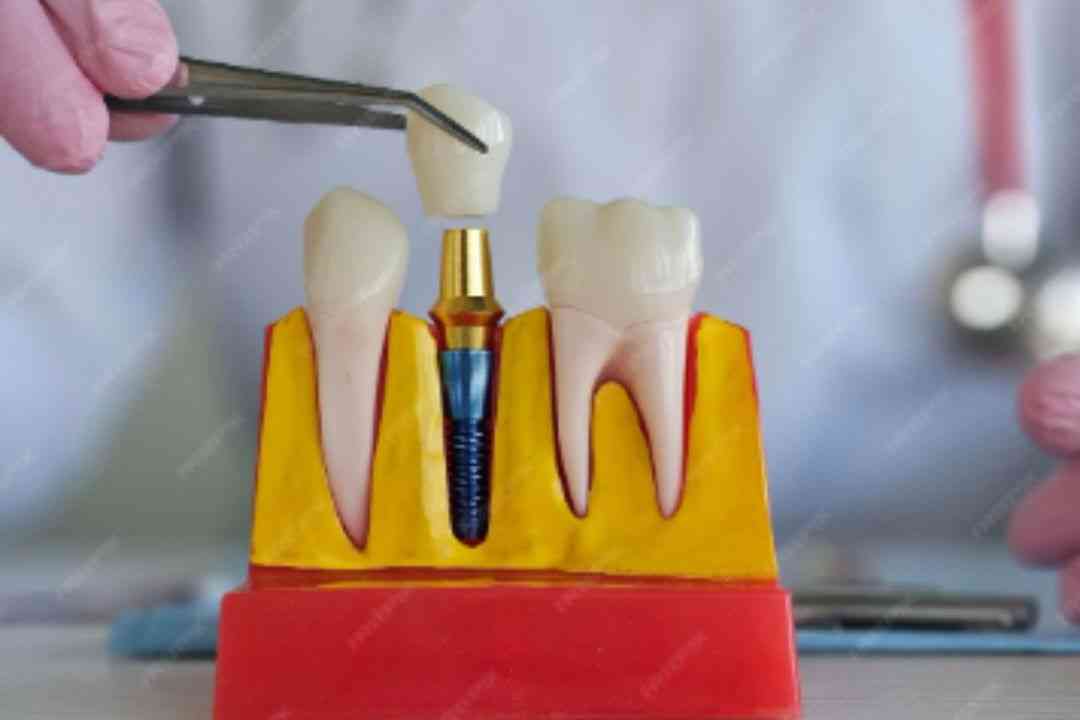
The Strong Foundation: Why Bone Density Matters
Bone density refers to the amount of mineral content present in your jawbone. Imagine placing a sturdy post in concrete versus sand—the denser the bone, the better it can support and integrate with a dental implant. For an implant to fuse effectively with the jawbone—a process called osseointegration—sufficient bone density is essential. High bone density gives the implant the stability it needs to withstand daily chewing and bite forces.
How Low Bone Density Affects Implants
Unfortunately, not everyone naturally has the jawbone strength needed for seamless implant placement. Low bone density can result from genetics, aging, bone diseases like osteoporosis, long-term tooth loss, gum disease, or poor nutrition. When the bone isn’t dense enough, the implant may not anchor firmly, which leads to problems such as:
-
Failure of the implant to bond with bone
-
Increased risk of loosening or implant failure
-
Difficulty achieving natural-looking, lasting results
Assessing and Enhancing Bone Density
Successful dental implant specialists always evaluate bone density before starting the procedure. Modern imaging techniques, such as CT scans, help measure bone quality and pinpoint the exact conditions for each patient. If poor bone density is detected, several solutions can help:
-
Bone grafts to rebuild thinned or compromised jawbone
-
Guided bone regeneration to encourage natural bone growth
-
Use of specialized implant types designed for softer bone
In some cases, lifestyle changes—boosting calcium or vitamin D intake, quitting smoking, or treating underlying health issues—may also improve jawbone strength.
The Bottom Line: Personalized Success
No two jaws are alike, and a skilled dentist will tailor the treatment approach to fit each patient’s bone structure and needs. Proactively addressing bone health not only increases the chance of implant success but also supports a healthy, confident smile for years to come.

 English
 Arabic
 Spanish
 Portuguese
 Deutsch
 Turkish
 Dutch
Dutch
 Italiano
 Russian
 Romaian
 Portuguese (Brazil)
 Greek
Greek
