


 Downloader
 Free FTP
Promote Your Product
Got a product, service, or story to share? Promote it directly to our active community and boost your brand today.
Create an Ad
Publish Bulk Blog Posts
Boost Your Reach! 📝
Have articles, guest posts, or bulk stories to publish? Send your content directly to our editorial team and feature on our platform.
Email Us Your PostsThe Kitchener Pet Owner’s Year: A Season-by-Season Health Guide for Dogs and Cats
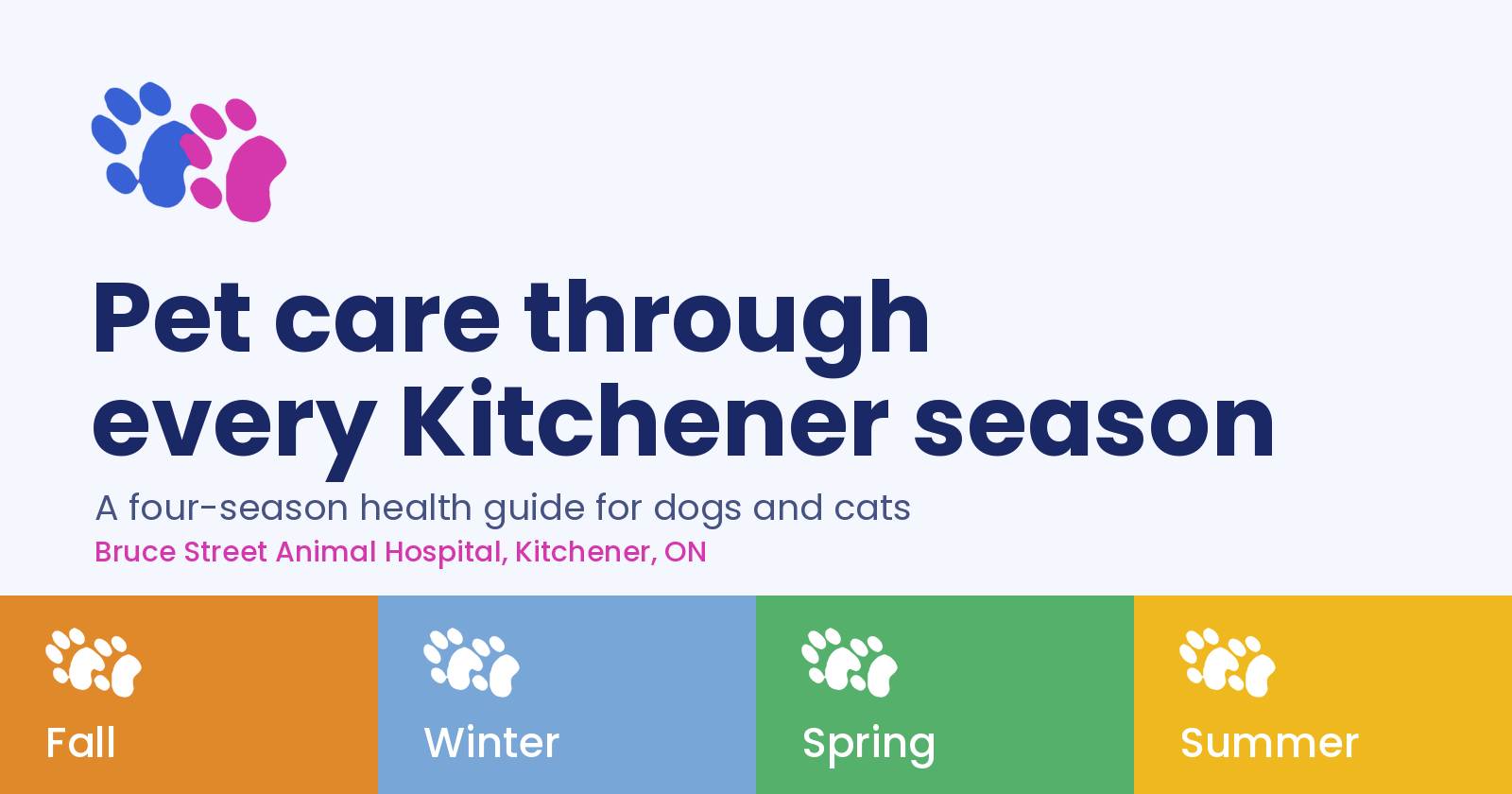
Kitchener’s four distinct seasons are great for walks along the Grand River and weekends at the park. They also mean your dog or cat faces a different set of health risks every few months. The hazards of January have little in common with those of July.
Here is a calendar to help you stay one step ahead all year, along with how an animal hospital in Kitchener can help at each stage.
Fall: Right Now Is the Time to Prepare
It’s late October, which makes this the ideal moment to get ready for winter.
Book a wellness exam before the cold sets in. A checkup now lets your vet catch issues such as dental disease, weight gain or early arthritis before winter makes them harder to manage. Older pets with stiff joints often struggle more once the temperature drops.
Keep Halloween candy out of reach. Chocolate is toxic to dogs, and some candies and gums contain xylitol, an artificial sweetener that is dangerous to them. Keep treat bags and bowls well out of reach. If your pet eats something they shouldn’t, call your veterinarian promptly.
Check vaccines and parasite prevention. Ticks stay active in cool weather as long as it’s above freezing, so don’t stop prevention too early without asking your vet.
Watch for fall hazards. Mushrooms that pop up in damp yards, rodent poison put out as mice head indoors, and leaf piles hiding sharp objects can all cause trouble.
Winter: Salt, Cold and Dry Air
Wipe those paws. Road salt and de-icers can irritate paw pads, and pets that lick their feet can swallow what’s on them. Wipe paws with a damp cloth after walks.
Keep antifreeze locked away. Antifreeze is extremely toxic to pets, and even a small amount can be deadly. If you suspect your pet has licked any, treat it as an emergency and call a veterinarian immediately.
Shorten the walks when it’s bitterly cold. Small dogs, short-haired breeds, puppies and seniors feel the cold faster. A coat or boots can help, and so can shorter, more frequent outings.
Don’t skip dental care. Many owners notice bad breath more in winter, when windows stay closed. Persistent bad breath isn’t normal. It can be a sign of dental disease, which may need professional attention.
Mind the weight. Less exercise and more couch time can add pounds. Ask your vet to help you adjust portions rather than guessing.
Spring: The Thaw Brings New Risks
Ticks return. Blacklegged ticks, which can carry Lyme disease, are found in parts of southern Ontario, so ask your veterinarian about tick prevention and which options suit your pet. Check your dog after walks in tall grass, woods and trails.
Heartworm and flea prevention. Mosquitoes bring heartworm risk for dogs, and fleas pick up quickly as it warms. Your vet can recommend the right prevention for your pet’s lifestyle.
Muddy-season mischief. Dogs love puddles, but standing water can carry bacteria and parasites. Leptospirosis is one disease that can be spread through contaminated water and wildlife, and vaccination may be worth discussing with your vet.
Spring cleaning hazards. Fertilizers, cleaning products and garden chemicals should stay out of reach. Some spring flowers, including lilies, are especially dangerous to cats.
Consider spay or neuter timing. If you’ve been thinking about it, talk to your veterinarian about the best time for your pet.
Summer: Heat, Water and Adventure
Never leave a pet in a parked car. Even on a mild day, temperatures inside a car can climb to dangerous levels within minutes.
Walk at cooler times. Early morning and evening are safer, and hot pavement can burn paws. If you can’t comfortably hold the back of your hand on it for several seconds, it’s too hot for your dog.
Know the signs of heatstroke. Heavy panting, drooling, weakness, vomiting or collapse need urgent veterinary attention. Short-nosed breeds such as pugs and bulldogs are at higher risk.
Provide water and shade. Carry water on every outing, and make sure outdoor pets always have shade.
Be careful around water. Not every dog is a natural swimmer. Use a life jacket on boats and keep an eye on dogs near rivers and lakes, and avoid water with visible algae.
Plan for fireworks. Canada Day and summer storms frighten many pets. Make a quiet space for them, and if your pet gets severely anxious, talk to your veterinarian well before the event.
Year-Round Habits That Make the Biggest Difference
Some things matter no matter what the calendar says.
- Annual exams. Pets age faster than we do, so a yearly checkup is like several years of change between visits. Senior pets may benefit from more frequent monitoring.
- Vaccinations and parasite prevention matched to your pet’s lifestyle.
- Dental care. Dental disease is among the most common conditions in dogs and cats.
- Healthy weight. Keeping your pet lean helps protect joints and the heart.
- ID and microchip. Make sure contact details are up to date in case your pet goes missing.
Know Where to Go Before You Need To
Emergencies rarely happen at convenient times. Bruce Street Animal Hospital is open Monday to Friday from 8:00 AM to 6:00 PM and Saturday from 9:00 AM to 1:00 PM, and is closed on Sundays and holidays. If you think your pet needs urgent attention during opening hours, the clinic asks you to call or come in right away, and calling ahead helps the team prepare. It’s also wise to ask your veterinarian at your next visit where to go for after-hours emergencies, so you aren’t searching in a panic.
Your Local Partner for Every Season
Bruce Street Animal Hospital is a full-service clinic for dogs and cats, led by Dr. Anshul Jindal. Services include exams and vaccinations, medical consultations, diagnostics, ultrasound, surgery, spay and neuter, and dentistry. New patients can complete forms online before their first visit.
Bruce Street Animal Hospital
37 Bruce Street, Kitchener, ON N2B 1Y4
Phone: (519) 954-4522
Website: brucestreetanimalhospital.ca

 Arabic
 French
 Spanish
 Portuguese
 Deutsch
 Turkish
 Dutch
 Italiano
 Russian
 Romaian
 Portuguese (Brazil)
 Greek
