


 Downloader
 Free FTP
Promote Your Product
Got a product, service, or story to share? Promote it directly to our active community and boost your brand today.
Create an Ad
Publish Bulk Blog Posts
Boost Your Reach! 📝
Have articles, guest posts, or bulk stories to publish? Send your content directly to our editorial team and feature on our platform.
Email Us Your PostsHow to Choose a Reliable Vehicle Transport Company in the USA
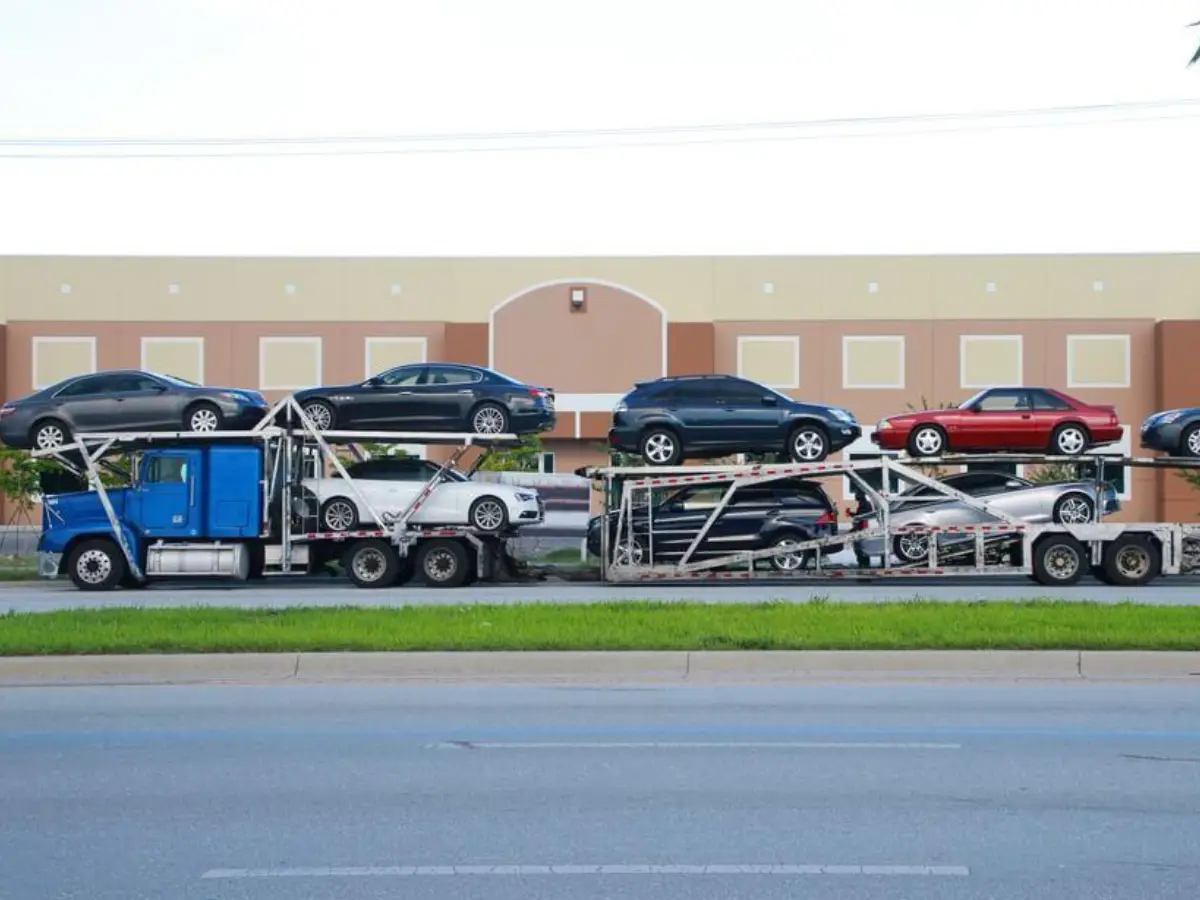
Transporting a vehicle between states requires careful planning, especially when you want to protect your car, manage your budget, and meet your delivery schedule. Whether you are relocating, purchasing a vehicle online, or arranging transportation for a family member, selecting a reliable vehicle transport company can make the process more convenient. Understanding shipping options, checking credentials, and comparing service terms can help you choose a transportation solution that fits your needs.
Why Vehicle Transport Services Are Useful
Driving a vehicle across several states can involve significant time, fuel expenses, accommodation costs, and additional mileage. Professional vehicle shipping provides an alternative for people who need their cars delivered without making a long-distance road trip.
These services can benefit families relocating to another state, professionals moving for work, students attending college, and customers buying vehicles from distant dealerships or private sellers. Businesses may also use vehicle transportation to move inventory between locations.
By arranging transportation in advance, customers can coordinate vehicle delivery with other moving plans and reduce the amount of time spent on the road.
Factors to Consider When Choosing a Transport Provider
1. Verify Registration and Operating Authority
Before booking a shipment, check the provider's applicable business registration and transportation credentials. In the United States, the Federal Motor Carrier Safety Administration (FMCSA) offers official resources for verifying interstate motor carriers and brokers.
Ask for the company's legal name and applicable USDOT or MC number. Verify that the information matches the services being offered and determine whether the business is a broker arranging transportation or a carrier physically moving vehicles.
Taking these steps helps customers understand who is responsible for arranging and carrying out their shipment.
2. Understand Insurance Coverage
Insurance is an important consideration when transporting a vehicle. Before confirming a booking, ask what coverage applies during transit and request the relevant documentation.
Customers should understand how damage claims are handled, what exclusions may apply, and which party is responsible for addressing concerns. It is also helpful to photograph the vehicle before pickup and review its condition report at collection and delivery.
Keeping copies of the shipping agreement, inspection documents, and insurance information can make it easier to resolve questions if an issue arises.
3. Compare Pricing and Written Estimates
Vehicle shipping prices depend on multiple factors, including distance, vehicle size, transport method, route demand, and pickup location.
Request written quotes from several providers using the same shipment details. Review what each estimate includes and ask about deposits, payment arrangements, cancellation policies, and possible additional charges.
The cheapest quote is not always the best choice. An estimate that clearly explains the service, expected schedule, and payment terms may offer greater value than a low price with unclear conditions.
Explore Different Vehicle Shipping Options
Open Auto Transport
Open auto transport is a common option for standard cars, SUVs, and pickup trucks. Vehicles are transported on an open trailer, often alongside other vehicles traveling along a similar route.
This method is generally more economical than enclosed shipping and suits many everyday transportation needs. However, vehicles remain exposed to ordinary weather and road conditions during transit.
Enclosed Auto Transport
Enclosed transport carries vehicles inside a covered trailer, providing additional protection from weather exposure and road debris.
Owners of classic cars, luxury vehicles, exotic automobiles, and collectible models may prefer this option. Enclosed shipping generally costs more, so customers should compare the additional protection with their vehicle's value and budget.
Door-to-Door Vehicle Shipping
Door-to-door service is designed to make pickup and delivery more convenient. The driver collects and delivers the vehicle as close as safely and legally possible to the requested addresses.
Access restrictions, narrow roads, and local regulations may require an alternative meeting point. Discussing these details before booking can help prevent unnecessary delays.
What Affects Vehicle Shipping Costs?
Several variables influence the total cost of vehicle transportation.
-
Distance: Longer shipments usually have higher total costs.
-
Vehicle dimensions: Larger vehicles may require additional trailer space.
-
Transport type: Enclosed carriers typically cost more than open carriers.
-
Vehicle condition: Inoperable vehicles may require specialized loading equipment.
-
Location: Remote pickup or delivery points can affect availability and pricing.
-
Scheduling: Expedited arrangements and seasonal demand may increase costs.
Providing accurate information when requesting a quote helps transportation providers estimate the shipment more effectively. Flexible pickup dates may also create more scheduling options, depending on the route.
Preparing Your Vehicle Before Pickup
Proper preparation helps make the shipping process more organized. Clean the exterior and take dated photographs of existing scratches, dents, and other visible damage.
Remove personal belongings and valuable items, secure loose accessories, and follow the carrier's instructions regarding fuel levels, keys, and vehicle readiness. Inform the provider if your car has mechanical problems or cannot be driven.
At pickup, carefully review the inspection report and retain a copy. When the vehicle arrives, inspect it again and document any concerns before completing the delivery process.
Why Communication Matters During Transportation
Clear communication helps customers coordinate pickup, delivery, and other travel arrangements. Ask the provider how shipment updates will be delivered and whom to contact if the schedule changes.
Weather, traffic, road conditions, and carrier schedules can affect estimated transit times. Customers should distinguish between the pickup window and the expected time needed to transport the vehicle.
If delivery must occur before a particular date, explain the deadline before booking and ask whether suitable arrangements are available. Confirm specific commitments in writing.
Conclusion
Choosing a reliable vehicle transport company involves evaluating credentials, insurance arrangements, pricing transparency, shipping methods, and communication. By comparing providers carefully and preparing your vehicle before pickup, you can make a more informed decision about your transportation needs.
Whether you need to ship a standard car across neighboring states or arrange long-distance delivery for a specialty vehicle, planning ahead can make the experience more manageable. Focus on clear written terms, realistic delivery expectations, and a transportation option that matches your vehicle and budget.

 English
 Arabic
 French
 Spanish
 Portuguese
 Deutsch
 Turkish
 Italiano
 Russian
 Romaian
 Portuguese (Brazil)
 Greek
