


 Downloader
 Free FTP
Promote Your Product
Got a product, service, or story to share? Promote it directly to our active community and boost your brand today.
Create an Ad
Publish Bulk Blog Posts
Boost Your Reach! 📝
Have articles, guest posts, or bulk stories to publish? Send your content directly to our editorial team and feature on our platform.
Email Us Your PostsHow to Choose the Right Hangar for Your Aircraft and Aviation Needs
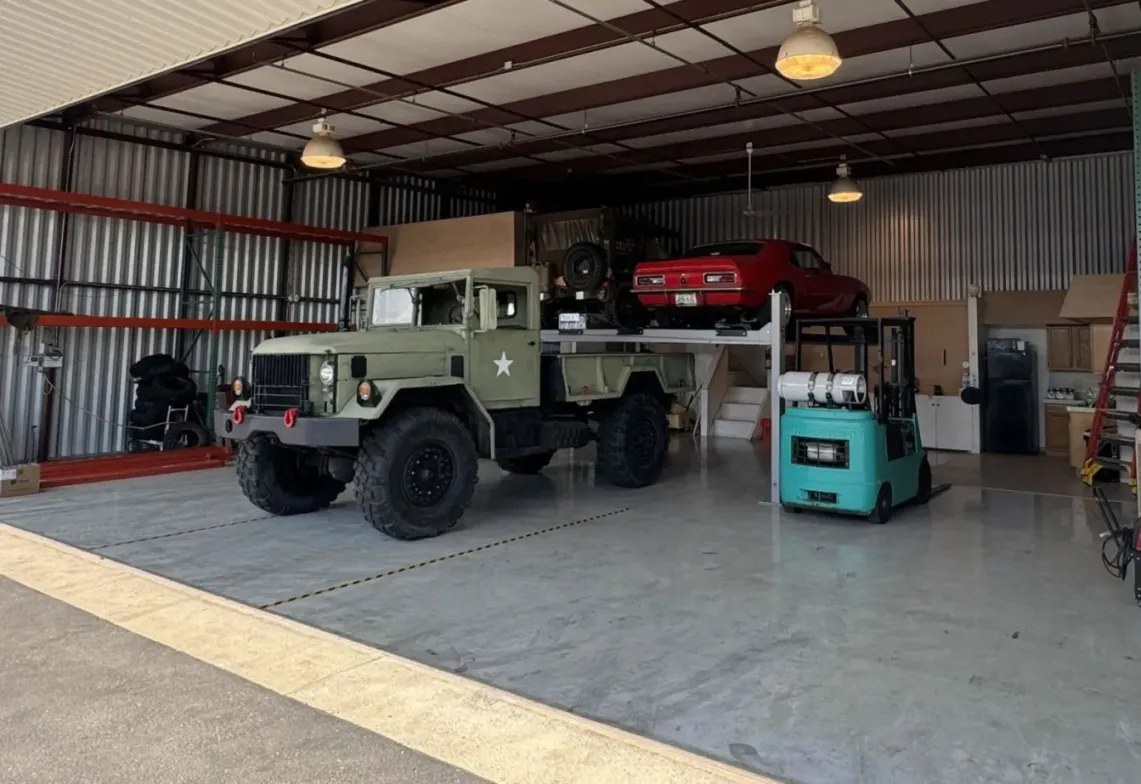
A safe and suitable place to store an aircraft is important for every aircraft owner. Whether someone flies for personal travel, business, or recreation, having the right storage space can make aircraft ownership easier. A hangar provides shelter from changing weather, helps protect an aircraft when it is not in use, and offers space for certain maintenance and storage needs. Choosing the right property requires careful planning, especially when considering its location, size, cost, and long-term value.
Why Aircraft Owners Need a Suitable Hangar
Aircraft are valuable investments that need proper care. Leaving an airplane outdoors can expose it to rain, strong sunlight, wind, dust, and other environmental conditions. A well-maintained hangar helps reduce exposure to these elements and provides a more secure place to keep the aircraft.
The benefits go beyond protection. Depending on its layout and facilities, a hangar may provide room for tools, aviation equipment, cleaning supplies, and other essentials. Some larger properties also include office space or additional facilities that support business aviation activities.
For pilots who fly regularly, having convenient access to their aircraft can also make trip planning and routine preparation easier.
Different Types of Hangars to Consider
Not every aircraft owner needs the same kind of space. The right choice depends on the aircraft's dimensions, budget, airport location, and intended use.
T-hangars: These are commonly designed to accommodate individual small aircraft. Their layout can make them a practical choice for private pilots who need a dedicated storage space without purchasing a large commercial property.
Box hangars: These usually offer a wider, more open interior than individual T-hangar units. They may suit aircraft owners who need extra room for equipment, access, or certain maintenance activities.
Corporate hangars: Businesses operating larger aircraft may need more spacious facilities with additional access, storage, and operational features. The requirements depend on the aircraft and the company's activities.
Hangar homes: Some aviation properties combine a residence with aircraft storage. These can appeal to people who want to live near their aircraft, although zoning rules, property restrictions, and airport arrangements should be reviewed carefully.
Understanding these options helps buyers narrow their search before comparing individual properties.
Important Factors to Check Before Buying or Renting
Finding a suitable hangar involves more than comparing prices. Several practical details can affect how useful a property will be over time.
Airport Location and Access
Location should be one of the first considerations. Look at the distance from home or work, airport access rules, runway arrangements, and any restrictions that could affect aircraft operations. A lower-priced property may not be the best choice if reaching it regularly is difficult.
Size and Door Clearance
Measure the aircraft's wingspan, height, and overall length before choosing a space. Door width and height are especially important because the aircraft must enter and exit safely. Allow room for movement and any equipment that needs to be stored alongside it.
Building Condition and Security
Inspect the roof, flooring, doors, drainage, ventilation, and electrical systems. Check for signs of water damage or structural problems. Ask about security arrangements, access controls, fire protection, and insurance requirements.
Total Ownership or Rental Costs
The advertised price is only one part of the financial picture. Buyers should consider taxes, insurance, maintenance, association fees, financing, and possible renovation costs. Renters should review lease terms, deposits, access conditions, and any additional airport charges.
Buying Versus Renting an Aircraft Storage Space
Both options can work well, depending on individual circumstances.
Renting may suit pilots who want flexibility, are new to aircraft ownership, or are unsure how long they will remain at a particular airport. It can also reduce the responsibility associated with maintaining a building.
Buying may be worth considering for owners who plan to stay in one location for several years and want greater control over their storage arrangements. However, ownership involves a larger financial commitment and may require ongoing property management.
Before making a decision, compare the expected costs over several years rather than focusing only on the initial payment. It is also sensible to review ownership documents, lease agreements, airport rules, and any restrictions on property use.
Finding Aviation Property Through Hangar Trader
Searching for suitable aviation property can take time, particularly when listings are spread across different airports and locations. Online marketplaces can make the process more organized by bringing property information together in one place.
Hangar Trader is an online marketplace focused on buying, selling, and renting aircraft hangars. Its listings allow users to explore available properties in different locations and compare options based on their needs. The website also offers services related to hangar listings, brokerage, auctions, and other aviation property requirements.
For people who are starting their search, a specialized platform can help them understand the types of properties available and identify options worth investigating further. Buyers and renters should still verify listing details, inspect properties where possible, and review all relevant agreements before committing.
Plan Ahead for Long-Term Aviation Needs
Choosing an appropriate hangar is an important decision that can affect convenience, aircraft care, and long-term expenses. Taking time to assess location, dimensions, building condition, access, and total costs can help aircraft owners make a more informed choice.
It is also worth thinking about future needs. An owner who expects to upgrade to a larger aircraft may need more space later, while someone who flies only occasionally may prefer a simple rental arrangement.
By comparing available properties and reviewing the details carefully, aircraft owners can find a storage solution that fits their budget and flying habits. Resources such as Hangar Trader can provide a useful starting point for exploring aviation real estate and discovering options that match their requirements.

 Arabic
 French
 Spanish
 Portuguese
 Deutsch
 Turkish
 Dutch
 Italiano
 Russian
 Romaian
 Portuguese (Brazil)
 Greek
