


 Downloader
 Free FTP
Conscious Sedation in Dentistry for the Dental Team
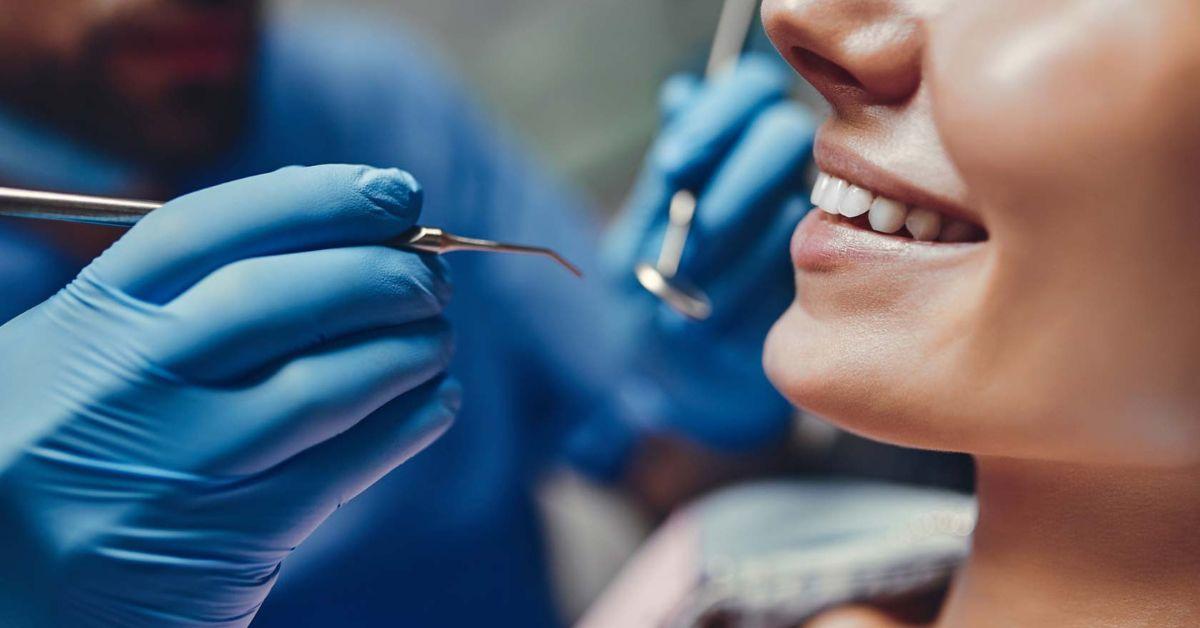
Conscious sedation is a widely used approach in dentistry that allows patients to remain awake but deeply relaxed during treatment. Unlike general anesthesia, it does not induce complete unconsciousness, giving patients the ability to respond to verbal commands while significantly reducing anxiety and discomfort. For the dental team, understanding and managing conscious sedation is critical to ensuring patient safety, comfort, and treatment success.
The Purpose of Conscious Sedation
Fear and anxiety often prevent patients from seeking dental care. Conscious sedation helps overcome these barriers by creating a calm environment where patients feel at ease. It also allows the dental team to perform lengthy or complex procedures without interruptions caused by patient distress. This method enhances cooperation and contributes to improved treatment outcomes.
Methods of Conscious Sedation
There are different ways to achieve conscious sedation in dentistry, each requiring training and monitoring. Nitrous oxide, often referred to as laughing gas, is inhaled through a mask and offers mild, fast-acting sedation. Oral sedatives, usually taken in pill form before the appointment, provide a deeper level of calmness while keeping the patient responsive. Intravenous sedation offers a more controlled approach, requiring precise administration by trained professionals and is often included in advanced IV sedation courses for dentists.
The Role of the Dental Team in Sedation
Every member of the dental team plays an important role in conscious sedation. Dentists are responsible for administering the sedative and monitoring its effects. Dental assistants and hygienists provide support by preparing equipment, ensuring patient comfort, and tracking vital signs. Administrative staff also play a role by informing patients about pre and post-procedure instructions, helping create a seamless experience.
Safety Considerations and Emergency Preparedness
Patient safety is the foundation of conscious sedation. Continuous monitoring of heart rate, oxygen levels, and blood pressure ensures the sedative is working as intended. The dental team must also be prepared for emergencies, which is why certifications such as BLS renewal are essential. This training enables staff to respond effectively to rare but serious complications like allergic reactions or breathing difficulties.
Training and Licensing Requirements
Administering sedation requires specialized training beyond standard dental education. Dentists pursue additional certifications and often meet state-specific licensing requirements. For instance, professionals in Texas must keep up with licensing obligations, which include reviewing the Texas dental license renewal fee and ensuring compliance with continuing education mandates. These regulations ensure that dentists remain current with best practices and safety standards.
Continuing Education and Skill Development
Sedation dentistry is an evolving field, and regular training is vital for both dentists and their teams. Continuing education for dentists offers opportunities to update skills, learn about new sedation techniques, and strengthen emergency response knowledge. Courses dedicated to sedation help dental professionals refine their expertise, ensuring they can provide the highest level of care.
Sedation Dentistry and Global Pathways
Sedation practices are not limited to local professionals. Many international dentists seek opportunities to practice in the United States, with licensing depending on the states that allow foreign trained dentists. By completing required certifications and continuing education, foreign-trained dentists can expand their careers and contribute to sedation dentistry while meeting strict U.S. standards.
Patient Communication and Recovery Management
Part of the dental team’s responsibility is to educate patients about what to expect before, during, and after conscious sedation. Clear instructions on dietary restrictions, transportation, and recovery guidelines reduce patient anxiety and ensure safety. Recovery times vary depending on the type of sedation used, but proper preparation and follow-up make the process smoother for both patients and providers.
Frequently Asked Questions
What is the difference between conscious sedation and general anesthesia?
Conscious sedation relaxes the patient while keeping them awake and responsive. General anesthesia renders the patient completely unconscious and is used in specialized cases.
Is conscious sedation safe for dental procedures?
Yes, when administered by trained professionals, conscious sedation is safe. Continuous monitoring and emergency preparedness ensure patient well-being throughout the procedure.
How long does recovery from conscious sedation take?
Recovery time varies. Nitrous oxide effects wear off within minutes, while oral or IV sedation may take several hours to fully leave the system.
Do dentists need special training to perform conscious sedation?
Yes, dentists must complete specialized programs and maintain certifications through courses such as IV sedation training and BLS renewal to provide safe sedation care.
Can foreign trained dentists practice sedation in the US?
Yes, but only in certain states. States that allow foreign-trained dentists outline pathways for licensing and additional training requirements.

 English
 French
 Spanish
 Portuguese
 Deutsch
 Turkish
 Dutch
Dutch
 Italiano
 Russian
 Romaian
 Portuguese (Brazil)
 Greek
Greek
