


 Downloader
 Free FTP
Promote Your Product
Got a product, service, or story to share? Promote it directly to our active community and boost your brand today.
Create an Ad
Publish Bulk Blog Posts
Boost Your Reach! 📝
Have articles, guest posts, or bulk stories to publish? Send your content directly to our editorial team and feature on our platform.
Email Us Your PostsHow Shop Signage Dubai Helps Customers Find Your Store
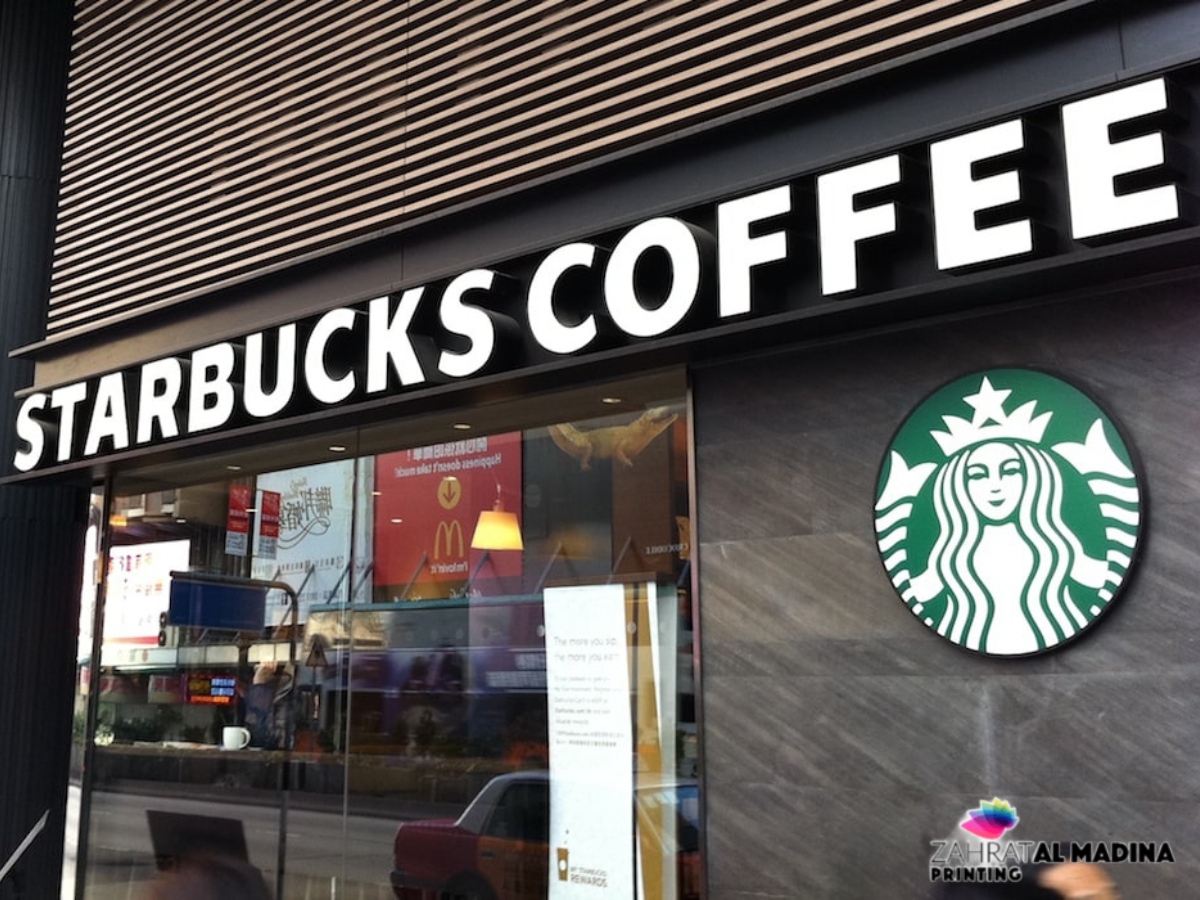
A customer walking through a shopping street may pass several stores before noticing the one they need. The shop name, entrance, window display and information outside the premises all influence whether people recognise the business. Effective shop signage Dubai retailers use should make the store easy to identify and help customers understand what they can find inside.
A shop sign also needs to suit its surroundings. A small store inside a shopping centre has different requirements from a showroom facing a busy road. Available space, viewing distance, lighting, building rules and the type of products sold all affect the design. Thinking about these details before ordering a sign can prevent unnecessary costs and make the storefront easier to navigate.
1. Understand What Your Shop Sign Needs to Communicate
Before selecting colours or materials, decide what the sign should tell people. For many shops, the main purpose is to display the business name clearly. Other stores may also need to communicate their product category, entrance location or opening hours.
A storefront sign should not try to explain everything about the business. Too much text can make the main name harder to notice, particularly when people are walking past quickly. Keep the primary message short and use separate signs for additional information when necessary.
Consider the people who are likely to visit. A grocery shop may need clear category labels, while a clothing boutique might focus on its name and visual identity. A repair shop may benefit from displaying its main service in simple wording.
Write down the most important information before starting the design. This gives the designer a clear purpose and makes it easier to decide which details belong on the main sign and which should appear elsewhere.
2. Plan Shop Signage Dubai Stores Around Their Location
The location of a shop affects how its sign should look and function. A storefront on a busy road needs to communicate quickly to people approaching from a distance. A shop inside a mall may be viewed mainly by pedestrians walking along a corridor.
For road-facing stores, letter size and contrast deserve particular attention. The sign should remain readable without requiring people to stop and study it. Avoid small decorative text that disappears when viewed from across the street.
Inside shopping centres, check the permitted sign area and the distance between neighbouring stores. A design that extends beyond the approved space may not be accepted by the property management team. Some centres also specify acceptable materials, colours, illumination and installation methods.
Corner shops have another consideration: people may approach from two directions. A sign positioned only above the main entrance might be difficult to see from the side. Depending on the building rules, additional directional signs or a suitable corner-facing display may improve visibility.
Visit the site before finalising the artwork. Observing the storefront from different approach angles can reveal practical problems that are difficult to notice on a computer screen.
3. Make Signage Board Design Easy to Read
Good signage board design starts with a clear order of information. The shop name should usually receive the most attention, followed by any secondary wording that helps people understand the business.
Choose a font that remains readable at the intended viewing distance. Decorative lettering may suit a particular brand, but complicated letter shapes can be difficult to recognise quickly. If the business name is unfamiliar, simple lettering may help customers read it correctly the first time.
Colour contrast also matters. Dark lettering on a light background or light lettering on a sufficiently dark background can make the message easier to see. Avoid combining colours that look attractive together but become difficult to distinguish from a distance.
Spacing should be checked carefully. Letters placed too close together can look crowded, while excessive spacing may make a word difficult to recognise as a whole. The design should also leave enough room around the text so that it does not appear pressed against the edges.
Before approving the final layout, view it at its actual proportions. A design that looks clear when enlarged on a monitor may not work as well at the size intended for installation.
4. Select a Material That Suits the Storefront
Shop signs can be made from several materials, and each offers different practical benefits. The best option depends on the design, installation surface, budget and expected exposure to weather.
Acrylic is often used for smooth lettering, logos and contemporary displays. It comes in different colours and thicknesses and can be used for raised letters or flat panels. Its surface needs suitable care because some finishes can scratch.
Aluminium is commonly used for rigid panels and outdoor signs. It is relatively lightweight, and suitable finishes can help it withstand exterior conditions. The board thickness and mounting arrangement should match the dimensions and location of the sign.
Stainless steel can provide a metal finish for shops that want a more architectural appearance. Other materials may be suitable for temporary promotions or indoor displays where the sign does not need to withstand outdoor conditions.
When comparing options, ask about the complete construction rather than the material name alone. Printing quality, edge finishing, protective coatings, fixing hardware and installation all influence how the sign performs over time.
5. Decide Between Flat Signs and Raised Letters
Flat signs and raised lettering serve different design purposes. A printed panel can display a shop name, opening hours, product information or promotional details on a single surface. It can also be practical when a business needs to update its information regularly.
Raised letters create depth by projecting away from the wall or backing panel. Depending on their thickness and position, they can produce shadows that change as the light moves. This style is often used for shop names, logos and entrance displays.
The choice should reflect the storefront rather than a general preference for one style. A narrow shop may benefit from a compact panel, while a larger façade may have room for individual letters. The wall's texture and colour also affect how raised elements appear.
Consider the total dimensions and installation method. Individual letters need accurate alignment, and the wall must be suitable for their fixings. A backing panel can simplify the arrangement in some situations, but it also adds another visual element.
A physical sample or scaled mock-up can help the business compare the options before production begins.
6. Use Lighting According to the Shop's Opening Hours
Lighting can improve sign visibility, but it needs to suit the store's location and operating hours. A shop that closes before evening may not require illuminated lettering, especially if the storefront receives adequate daylight.
Stores that remain open after dark may benefit from lighting that keeps the name readable. Front-lit letters illuminate the face of the lettering, while backlit designs create a glow behind the letters. Other signs use external spotlights directed towards the sign surface.
The surrounding environment should guide the decision. Excessive brightness can create glare, distract nearby road users or make the sign uncomfortable to view. Light should be distributed evenly so that the full name remains legible.
Check whether the building or shopping centre has rules about illuminated signs. Electrical connections, installation access and maintenance should also be considered before choosing a lighting system.
If the sign is close to windows, glass entrances or reflective surfaces, inspect the proposed lighting from different angles. This helps identify reflections that could affect visibility.
7. Make the Entrance Easy to Recognise
A clear shop sign should help customers identify not only the business but also the correct entrance. This can be important in buildings with several units, shared corridors or multiple doors.
Place the main name where people naturally look when approaching the store. If the entrance is set back from the building line, the sign may need to be positioned where it remains visible before visitors reach the doorway.
Window graphics can support the main sign by displaying opening hours, payment methods or a small amount of product information. However, covering too much glass can make the entrance harder to see and reduce the amount of natural light entering the shop.
For stores located inside larger buildings, directional signs may be needed at corridor junctions or near lifts. Use consistent wording so customers can follow the directions without confusion.
Check that doors, awnings, plants and display stands do not block important information. A sign should remain visible during normal business hours, not only when the storefront is empty.
8. Check Permissions Before Installing the Sign
A shop owner should confirm the relevant requirements before arranging production or installation. Rules may differ according to the property, building management, sign location, dimensions and type of display.
Shopping centres often have design guidelines covering sign sizes, mounting positions, materials and lighting. Commercial buildings may also specify which parts of the façade can be used. Outdoor signs can be subject to local approvals or other applicable requirements.
Do not assume that permission for one sign automatically covers a replacement or a larger design. Changes to the dimensions, structure or illumination may require a new review.
Ask the landlord, property manager or relevant authority which approvals apply to the proposed installation. Keep approved artwork and specifications available so the finished sign can be checked against the agreed design.
It is also sensible to confirm who is responsible for electrical work, access equipment and repairs. Clarifying these details in advance can prevent delays and unexpected expenses.
9. Prepare the Artwork Carefully Before Production
Once the design and material have been selected, check every detail before giving approval. Spelling errors, incorrect colours or inaccurate dimensions can be costly to correct after fabrication.
Confirm the business name and logo against the approved brand files. Check telephone numbers, opening hours and any additional wording separately. If the sign contains Arabic and English text, review both versions for accuracy, spacing and direction.
Make sure the artwork matches the available installation space. Include the total width and height, the position of the lettering and any required margins. For raised letters, review their depth and arrangement as well as the overall layout.
Ask how the final colours will be produced. Colours displayed on a screen may not match the appearance of printed graphics, painted surfaces or physical materials exactly.
Businesses comparing fabrication examples from providers such as Zahrat Al Madina Printing can use those examples as one reference when reviewing different sign styles. The final choice should be based on the shop's dimensions, practical needs, material specification and installation requirements rather than appearance alone.
10. Keep the Sign in Good Condition
A shop sign needs regular attention to remain readable and presentable. Dust, pollution, fingerprints and weather can affect its appearance, especially in locations close to busy roads.
Use cleaning products that are suitable for the sign material. Rough cloths or harsh chemicals can damage some acrylic surfaces, printed graphics and protective finishes. Follow the manufacturer's care instructions instead of using the same cleaning method on every material.
Check the sign periodically for loose fixings, damaged edges, fading or failed lighting. Exterior signs should receive particular attention after severe weather or when visible damage appears. Any electrical repairs should be handled by a qualified person.
The information should also stay current. Update opening hours when they change, remove old promotional notices and replace damaged lettering when necessary. If the shop changes its name or logo, review whether the existing sign can be updated or needs to be replaced.
A simple maintenance schedule can help store owners identify problems before they affect customers' ability to recognise the business.
Final Thoughts
Effective shop signage depends on more than a striking design. The sign needs to suit the storefront, communicate the right information and remain easy to read from the distance at which customers will see it.
When planning shop signage Dubai retailers should consider location, letter size, material, lighting, entrance visibility and installation requirements before approving production. Careful signage board design can help customers recognise the store quickly, while routine maintenance keeps the information clear and accurate. A sign planned around the real needs of the shop is more likely to remain useful as the business grows and its surroundings change.

 Arabic
 French
 Spanish
 Portuguese
 Deutsch
 Turkish
 Dutch
 Italiano
 Russian
 Romaian
 Portuguese (Brazil)
 Greek
