


 Downloader
 Free FTP
Promote Your Product
Got a product, service, or story to share? Promote it directly to our active community and boost your brand today.
Create an Ad
Publish Bulk Blog Posts
Boost Your Reach! 📝
Have articles, guest posts, or bulk stories to publish? Send your content directly to our editorial team and feature on our platform.
Email Us Your PostsDental Forceps: A Practical Guide to Tooth Extraction Instruments

Tooth extraction requires precision, control, and the right instruments. Among the essential tools used by dental professionals, dental forceps play a key role in removing teeth safely and efficiently. These specialized instruments allow dentists and oral surgeons to grasp, loosen, and extract teeth while maintaining controlled movement throughout the procedure.
A suitable tooth extractor tool helps the clinician apply the required force without unnecessary pressure on the surrounding tissues. Understanding the design, types, and applications of extraction forceps can help dental professionals select the appropriate instrument for different clinical situations.
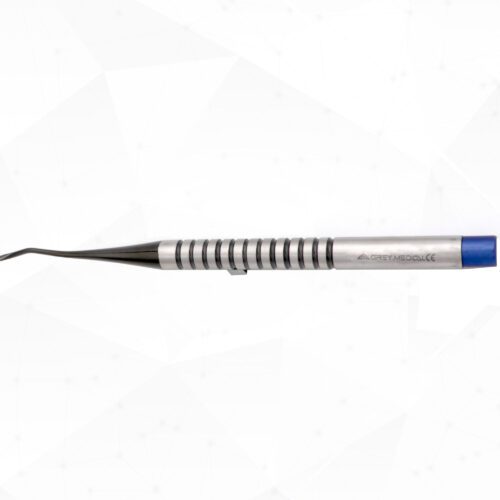
What Are Dental Forceps?
Dental forceps are hand-operated instruments specifically designed to grasp and remove teeth from the alveolar socket. Their construction allows dentists to maintain a firm grip while applying controlled rotational, rocking, or traction movements during extraction.
Most extraction forceps feature three primary components: handles, a hinge or joint, and beaks. The handles provide the grip, while the hinge transfers the applied force toward the beaks. The beaks contact the tooth and provide the necessary hold during extraction.
Dentists select forceps according to the tooth's position, shape, size, and accessibility. Choosing the correct instrument can improve control and help support a smoother extraction procedure.
How Does a Tooth Extractor Tool Work?
A tooth extractor tool works by securely engaging the tooth before the clinician applies controlled extraction movements. The dentist first positions the beaks as close to the tooth's cervical region as practical. This positioning helps establish a stable grip and allows force to transfer effectively.
Depending on the tooth and clinical situation, the dentist may use gentle rocking, rotational, or traction movements. These controlled movements help loosen the tooth by expanding or separating the periodontal attachment and supporting tissues.
The clinician must avoid excessive or uncontrolled force. Instead, careful instrument positioning and appropriate technique provide better control and help minimize unnecessary trauma to surrounding structures.
Common Types of Dental Forceps
Manufacturers produce different forceps designs to accommodate various teeth and extraction approaches. Each design serves a specific purpose.
Upper anterior forceps generally feature a configuration that provides convenient access to the front teeth of the upper jaw. Their design supports controlled grasping and extraction.
Upper molar forceps typically have specialized beaks designed to engage the anatomy of upper molars. Right- and left-sided designs may help clinicians achieve appropriate access and positioning.
Lower molar forceps accommodate the anatomy and position of molars in the mandible. Their shape allows the operator to establish a firm grip during extraction.
Root forceps feature narrower beaks that can help clinicians grasp remaining root fragments or teeth with limited crown structure.
Cowhorn forceps use pointed beaks that engage the furcation area of suitable mandibular molars. Clinicians can use them when the tooth anatomy and clinical conditions make this design appropriate.
Selecting the right forceps depends on the tooth involved and the extraction technique planned.
Key Features to Consider
When choosing dental forceps, dental professionals should evaluate several important features. The beak design should match the tooth anatomy and provide a secure grip. Proper alignment between the handles and beaks can improve access and handling.
Material quality also matters. Surgical-grade stainless steel offers durability, corrosion resistance, and compatibility with appropriate sterilization processes. Smooth handle surfaces and ergonomic construction can support comfortable handling during procedures.
The instrument should also provide reliable mechanical performance. A properly functioning hinge allows controlled movement without unnecessary resistance or instability.
Benefits of Using the Right Extraction Forceps
Using an appropriate tooth extraction instrument can provide several practical advantages. It can improve grip, enhance control, and help the clinician apply force in a more predictable manner.
The correct forceps can also improve access to difficult tooth positions. When the instrument matches the tooth's anatomy, the clinician can work more efficiently and reduce unnecessary manipulation.
For dental practices, investing in high-quality extraction instruments can also support long-term instrument performance. Durable construction allows instruments to withstand repeated clinical use and sterilization when professionals follow the manufacturer's care instructions.
Choosing a Reliable Dental Instrument Manufacturer
Quality plays an important role when selecting extraction instruments. Dental professionals should consider manufacturers that focus on precision manufacturing, reliable materials, ergonomic design, and consistent quality control.
Grey Medical® is a privately owned medical technology company dedicated to innovation and excellence in the craft of surgical instruments. Its focus on instrument quality makes manufacturer selection an important consideration for dental professionals seeking dependable tools for clinical environments.
Proper Care and Maintenance
Proper maintenance helps preserve the performance and longevity of extraction instruments. After use, professionals should follow established cleaning, disinfection, inspection, and sterilization procedures recommended for the specific instrument.
Clinicians should inspect the beaks, hinge, handles, and overall surface regularly. Any instrument showing damage, corrosion, looseness, or functional problems should receive appropriate attention before further clinical use.
Proper storage also helps protect instruments from damage and contamination. Dental practices should follow their established infection-control protocols and the manufacturer's instructions throughout the instrument's service life.
Conclusion
Dental forceps remain essential surgery instruments for controlled tooth extraction. Their specialized beaks, handles, and hinge mechanisms allow dental professionals to grasp teeth and perform carefully controlled extraction movements.
From anterior and molar forceps to root and cowhorn designs, each type serves a particular clinical purpose. Selecting the appropriate tooth extractor tool requires consideration of tooth anatomy, location, accessibility, and the planned extraction technique.
For dental practices, combining the right instrument with appropriate clinical technique, maintenance, and infection-control procedures can support efficient and controlled procedures. High-quality instruments also provide the durability and reliability professionals expect from essential dental equipment.

 English
 Arabic
 French
 Spanish
 Portuguese
 Deutsch
 Turkish
 Dutch
Dutch
 Russian
 Romaian
 Portuguese (Brazil)
 Greek
Greek
