


 Downloader
 Free FTP
Promote Your Product
Got a product, service, or story to share? Promote it directly to our active community and boost your brand today.
Create an Ad
Publish Bulk Blog Posts
Boost Your Reach! 📝
Have articles, guest posts, or bulk stories to publish? Send your content directly to our editorial team and feature on our platform.
Email Us Your PostsDaily Ventilator Care at Home: Essential Steps for Safer Support
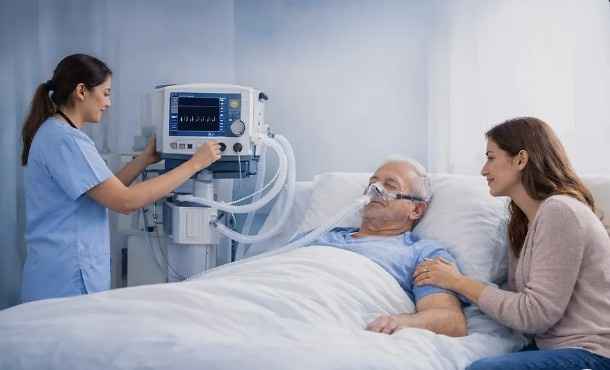
Daily respiratory support requires consistency, attention, and appropriate medical guidance, especially when a patient depends on mechanical ventilation. Ventilator Care At Home In Dubai can help eligible patients receive ongoing respiratory assistance in a familiar environment while families and professional caregivers follow an individualized care plan. A Doctor at Home service may provide convenient medical assessment when appropriate, while trained home healthcare professionals can assist with monitoring, airway care, equipment management, hygiene, and other daily needs. Understanding essential care steps can help families create a more organized and supportive routine.
Understanding the Daily Ventilator Care Routine:
A daily ventilator care routine should be based on the patient's prescribed treatment plan and medical requirements. Caregivers may need to monitor the patient's breathing, comfort, airway secretions, equipment connections, and general condition throughout the day. The exact routine varies depending on the patient's diagnosis, ventilation requirements, airway access, mobility, nutrition, and other health needs. Caregivers should follow instructions from the treating healthcare team and avoid independently changing ventilator settings or respiratory treatments.
Checking the Ventilator and Equipment:
Before beginning daily care, caregivers should visually inspect the ventilator and associated equipment. Tubing should be properly connected and positioned without unnecessary bends or obstruction. The power supply should be functioning, and prescribed filters, humidification components, and other accessories should be checked according to professional instructions. Caregivers should understand the normal operation of the specific ventilator being used and know how to respond if an alarm occurs. Any equipment problem that cannot be safely resolved according to the care plan should be reported promptly.
Important equipment checks may include:
-
Inspecting tubing and connections
-
Checking the power supply
-
Observing ventilator operation
-
Checking prescribed filters and accessories
-
Confirming that essential supplies are available
-
Reviewing backup equipment when applicable
Monitoring Breathing and Patient Comfort:
Patient observation is a central part of daily ventilator care. Caregivers should watch for changes in breathing pattern, alertness, skin color, comfort, coughing, and airway secretions. If monitoring devices such as a pulse oximeter are prescribed, readings should be taken according to the healthcare team's instructions. A change from the patient's usual condition may require medical attention, particularly when accompanied by breathing difficulty or other concerning symptoms. Caregivers should document relevant observations so they can be discussed with healthcare professionals during follow-up.
Providing Airway and Suction Care:
Some patients receiving mechanical ventilation require airway suctioning to manage secretions. When suctioning is included in the prescribed care plan, it should be performed by appropriately trained caregivers or professional nurses using the recommended technique. Hand hygiene and properly maintained equipment are essential. Caregivers should avoid performing procedures they have not been trained to provide. Changes in the amount, color, thickness, or odor of secretions should be reported when they are unusual for the patient or accompanied by other symptoms.
Maintaining Proper Hygiene:
Good hygiene helps reduce the risk of infection and keeps the patient's care environment comfortable. Hands should be cleaned before and after respiratory procedures, patient contact, and equipment handling. Reusable equipment should be cleaned according to manufacturer and healthcare provider instructions. The patient's room should remain clean and organized, while frequently touched surfaces should be maintained appropriately. Families should also follow any infection-control precautions recommended for the patient's particular condition.
Daily hygiene practices can include:
-
Washing hands before and after care
-
Keeping respiratory equipment clean
-
Following recommended equipment replacement schedules
-
Maintaining a clean patient-care area
-
Storing supplies properly
-
Monitoring for possible signs of infection
Managing Ventilator Alarms:
Ventilator alarms should always be taken seriously. Caregivers should receive training on the alarms associated with the patient's specific device and understand the appropriate steps outlined in the care plan. An alarm may be related to tubing disconnection, pressure changes, power interruption, airway problems, or other equipment or patient-related issues. Instead of repeatedly silencing an alarm without identifying its cause, caregivers should follow their trained response procedure. If the patient appears distressed or has difficulty breathing, emergency medical assistance may be necessary.
Supporting Positioning and Mobility:
Positioning can contribute to patient comfort and may be an important component of respiratory and skin care. Patients with limited mobility may require regular repositioning according to their individualized plan. Proper positioning can help reduce prolonged pressure on vulnerable areas and support personal comfort. Some patients may also benefit from carefully planned movement or physiotherapy, depending on their condition. Any mobility activity should follow guidance from qualified healthcare professionals, particularly when the patient has multiple medical devices or significant physical limitations.
Supporting Nutrition and Hydration:
Nutrition and hydration are important components of overall patient care. Some ventilated patients may eat and drink normally, while others may require specialized feeding arrangements. Families should follow the nutritional plan established by the patient's healthcare team and avoid making major dietary changes without professional guidance. Caregivers should observe for difficulties with feeding, vomiting, abdominal discomfort, dehydration, or other changes that may need medical assessment. Feeding schedules should be coordinated with medications and respiratory care when required by the patient's individual plan.
Keeping Track of Medications and Treatments:
Patients receiving ventilator support may also require several medications or additional respiratory treatments. A written medication schedule can help caregivers maintain consistency and reduce the risk of missed or duplicated doses. Medicines should be given exactly as prescribed, including the correct dose and timing. Caregivers should record relevant treatments and communicate any unusual reactions or difficulties to the healthcare team. Medication changes should only be made under appropriate medical direction.
Watching for Warning Signs:
Daily observation allows caregivers to recognize changes that may require prompt professional assessment. Warning signs vary between patients, so families should receive individualized instructions from the treating medical team. Concerning changes can include increased breathing difficulty, unusual drowsiness, significant changes in skin or lip color, persistent fever, abnormal respiratory secretions, repeated ventilator alarms, or sudden changes in responsiveness. When serious symptoms occur, caregivers should follow the patient's emergency plan and seek immediate medical assistance rather than waiting for a routine appointment.
Maintaining Emergency Preparedness:
A dependable emergency plan should be part of daily ventilator care. Families should know what to do during a power outage, equipment malfunction, airway emergency, or sudden deterioration in the patient's condition. Emergency contact numbers, medical information, equipment instructions, and essential supplies should be easy to access. Backup power or respiratory equipment may be recommended for some patients depending on their medical needs. Everyone involved in care should understand the emergency procedure and know when professional assistance is required.
Working With Professional Home Healthcare Providers:
Professional home healthcare support can help families manage the responsibilities associated with daily mechanical ventilation. Trained nurses may assist with respiratory monitoring, airway care, hygiene, medication administration, repositioning, nutrition support, and equipment observation. They can also communicate changes to the patient's medical team and help families maintain the prescribed routine. Professional support should complement, rather than replace, regular medical supervision and follow-up.
Maintaining Regular Medical Follow-Up:
Regular follow-up appointments are essential for patients receiving long-term ventilator support. Healthcare professionals can review respiratory status, equipment performance, medications, nutrition, airway management, and overall progress. The patient's needs may change over time, requiring adjustments to the care plan. Families should maintain a record of important observations, symptoms, alarms, and questions so these can be discussed during appointments. Consistent communication can help ensure that home care remains aligned with the patient's current medical needs.
Final Thoughts:
Daily Ventilator Care At Home In Dubai requires a structured routine, careful observation, appropriate equipment management, and professional medical guidance. Checking the ventilator, monitoring the patient's condition, maintaining hygiene, providing prescribed airway care, supporting nutrition and positioning, and recognizing warning signs are all important parts of safe home support. Families should receive appropriate training and maintain a clear emergency plan before assuming caregiving responsibilities. By following the patient's individualized care instructions and staying connected with qualified healthcare professionals, families can create a more organized and supportive environment for ongoing ventilator care.

 English
 Arabic
 French
 Portuguese
 Deutsch
 Turkish
 Dutch
 Italiano
 Russian
 Romaian
 Portuguese (Brazil)
 Greek
