


 Downloader
 Free FTP
Promote Your Product
Got a product, service, or story to share? Promote it directly to our active community and boost your brand today.
Create an Ad
Publish Bulk Blog Posts
Boost Your Reach! 📝
Have articles, guest posts, or bulk stories to publish? Send your content directly to our editorial team and feature on our platform.
Email Us Your PostsLost Wax Casting Porosity Problems: Causes and Solutions from Matech Custom Casting Manufacturer

Lost wax casting, also called investment casting, is prized for producing complex metal parts with excellent detail and smooth surfaces. Yet even this precise process faces a persistent enemy known as porosity. These small voids inside or on the surface of a casting can weaken the part, cause leaks, and lead to rejection during machining or inspection. Matech, an experienced custom casting manufacturer, produces stainless steel and alloy components through lost wax casting and understands that preventing porosity starts with understanding exactly where it comes from and how each stage of the process contributes.
What Porosity Really Means
Porosity refers to cavities or holes that form within a casting as the metal solidifies. Some pores are tiny and scattered, while others appear as larger voids concentrated in thick sections. They may be hidden deep inside the part or break through to the surface. In non-critical areas, minor porosity may be acceptable, but in pressure-bearing components, pump housings, or valve bodies, even small voids can create leak paths or reduce strength. Identifying the type of porosity is the first step toward finding its cause and choosing the right solution.
Gas Porosity and Its Sources
Gas porosity occurs when gases become trapped in the metal during melting or pouring. Molten metal can absorb hydrogen, oxygen, or nitrogen, especially when charge materials are damp, contaminated, or poorly prepared. As the metal cools, these gases come out of solution and form rounded bubbles. Moisture or residue left in the ceramic shell can also release gas when hot metal contacts it. These pores are usually smooth and spherical, which helps distinguish them from shrinkage defects that tend to look jagged and irregular.
Shrinkage Porosity Explained
Shrinkage porosity forms because metal contracts as it changes from liquid to solid. If thick sections solidify last and cannot draw additional molten metal from a feeder, voids appear in those areas. These pores often look rough and branching, sometimes resembling small cracks. Poor gating design, inadequate risers, and sudden changes in wall thickness are common contributors. Because shrinkage depends heavily on part geometry, it is often best solved through design review and careful planning of how metal flows and solidifies inside the mold.
Shell Quality and Wax Removal
The ceramic shell plays a major role in casting quality. If wax is not fully removed during dewaxing, leftover residue can burn off during pouring and release gas into the metal. A shell that is not properly fired may still contain moisture or volatile material. Shell permeability also matters, since gases inside the cavity need a way to escape as metal fills the mold. Controlling slurry quality, drying conditions, dewaxing, and firing temperatures helps produce clean, stable shells that reduce gas-related defects.
Melting and Pouring Control
How the metal is melted and poured strongly influences porosity. Clean, dry charge materials and proper deoxidation practices limit gas absorption. Pouring temperature must be carefully controlled, as metal that is too hot absorbs more gas, while metal that is too cold may not feed properly and can cause shrinkage. Smooth, steady pouring reduces turbulence that can trap air. Checking chemical composition before pouring also ensures the alloy behaves as expected during solidification, giving the casting the best chance of forming sound and dense.
Design and Gating Improvements
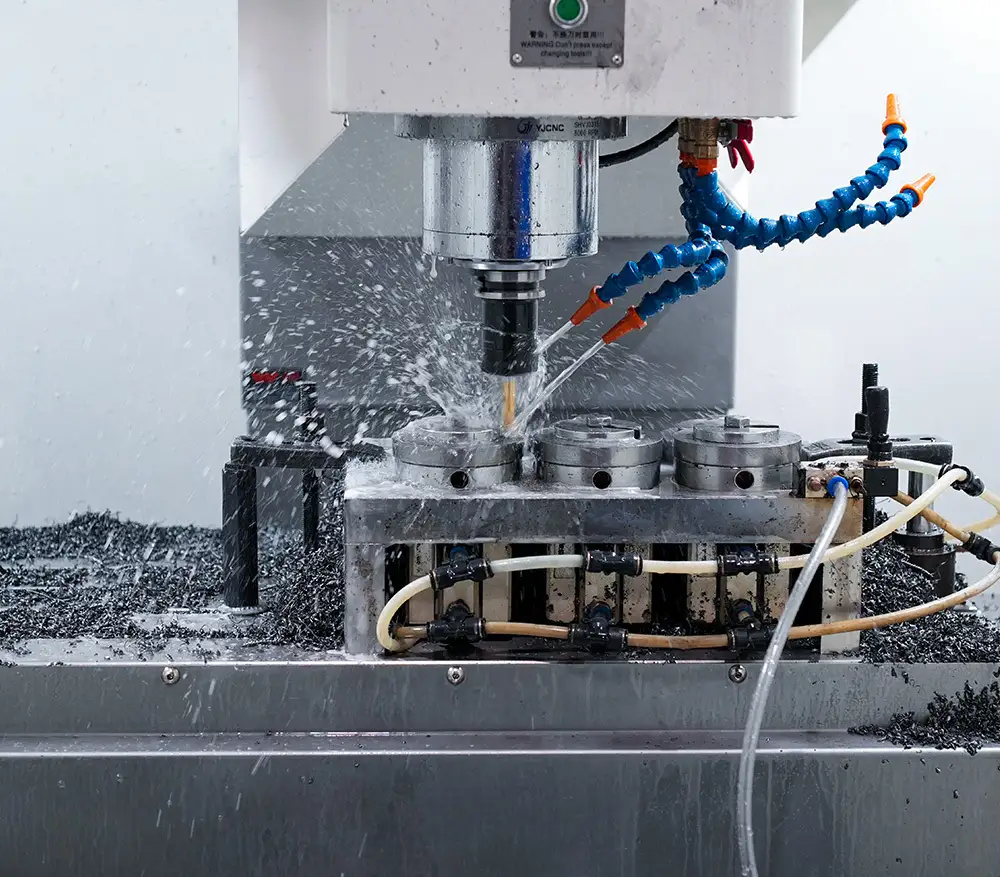
Many porosity problems are solved at the design stage. Uniform wall thickness helps metal solidify more evenly, while gradual transitions between thick and thin sections reduce isolated hot spots. Gates and risers should be placed so that thick areas receive feed metal until they fully solidify. Simulation tools can predict where shrinkage may occur before tooling is made. Working with a foundry that reviews drawings for manufacturability allows small design adjustments that dramatically improve casting soundness without changing the function of the part.
Inspection and Long-Term Prevention
Detecting porosity requires the right inspection methods. Visual checks reveal surface pores, while X-ray inspection, pressure testing, and sectioning uncover internal defects in critical parts. Recording where porosity appears and how often helps trace the problem back to its root cause. Over time, this data allows the foundry to refine shell building, melting practice, and gating design. Buyers benefit by sharing performance requirements and acceptance standards early, so the supplier can set up processes and inspections that consistently deliver sound, reliable castings.

 Arabic
 French
 Spanish
 Portuguese
 Deutsch
 Turkish
 Dutch
 Italiano
 Russian
 Romaian
 Portuguese (Brazil)
 Greek
