


 Downloader
 Free FTP
Promote Your Product
Got a product, service, or story to share? Promote it directly to our active community and boost your brand today.
Create an Ad
Publish Bulk Blog Posts
Boost Your Reach! 📝
Have articles, guest posts, or bulk stories to publish? Send your content directly to our editorial team and feature on our platform.
Email Us Your PostsBreathizen: A Fresh Approach to Building Awareness Into Everyday Habits
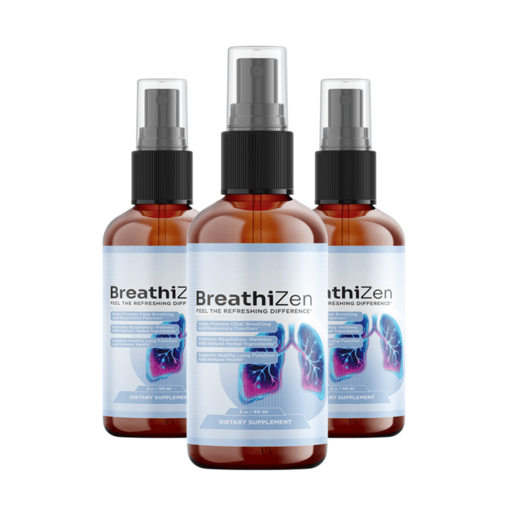
Everyday life is made up of hundreds of small moments. We wake up, prepare for the day, travel, work, communicate, eat, complete household tasks, spend time online, and eventually prepare for sleep. Because many of these activities happen repeatedly, it is easy to complete them automatically without paying much attention to the experience itself.
Breathizen introduces a simple way to bring awareness back into these ordinary moments. The concept focuses on noticing natural breathing and using short pauses as reminders to reconnect with the present. Rather than requiring a complicated routine, it can be incorporated into activities that already form part of everyday life.
The idea behind Breathizen is straightforward: awareness does not always need a special setting. It can begin with something that is already happening every moment—the natural act of breathing.
Making Awareness Easier to Practice
One reason people may struggle with new habits is that they try to change too much at once. A large routine can quickly feel difficult to maintain, especially during busy periods.
Breathizen takes a simpler direction. Instead of creating a long list of activities, it encourages small moments of awareness.
A person might pause before opening a laptop, notice their breathing while walking, or take a quiet moment before beginning an evening routine. These small actions can act as reminders throughout the day.
The objective is not to make every moment perfectly mindful. It is to create more opportunities to notice what is happening.
The Power of Everyday Triggers
A useful habit often becomes easier when it is connected to an existing activity. Everyday triggers can provide natural reminders.
For example, a person could associate a brief Breathizen pause with:
- Opening a computer
- Sitting in a vehicle
- Drinking morning water
- Starting a meal
- Entering the workplace
- Finishing a meeting
- Returning home
- Turning off the lights
These triggers already exist in the daily schedule, so awareness does not have to depend entirely on remembering a new routine.
Breathizen Before the First Task
The first task of the day can influence how quickly someone moves into a busy mindset.
Instead of immediately jumping between notifications and responsibilities, create a small pause before beginning.
Sit comfortably and notice the natural movement of breathing. There is no need to force the breath or follow an uncomfortable pattern. Simply observe it for a short moment.
Then begin the first task.
This creates a clear starting point and allows the day to begin with a moment of attention rather than immediate reaction.
Bringing Awareness to the Workplace
The workplace can contain many interruptions. Emails, meetings, phone calls, deadlines, and conversations may continuously compete for attention.
A Breathizen routine can be used between these activities.
After completing one task, pause before moving directly to the next. Take a moment to observe breathing and physical posture. Notice whether your attention is still focused or has moved toward another concern.
Then decide what needs attention next.
This simple transition can make the movement between tasks more deliberate.
Using Breathizen During Screen Time
Screens can occupy a significant part of modern routines. Computers, smartphones, tablets, and televisions are used for work, communication, education, entertainment, and information.
Because screen use can become continuous, brief pauses may be useful.
After a period of concentrated screen activity, look away from the display and notice your surroundings. Allow your breathing to remain natural and take a moment before continuing.
Breathizen can therefore become a reminder to create small breaks within digital routines.
Awareness While Commuting
Commuting can often feel repetitive. Whether traveling by car, bus, train, bicycle, or walking, people may spend the journey thinking about the destination rather than noticing the experience.
A Breathizen-inspired commute can include short periods of awareness.
While traveling safely, notice your breathing and the environment around you. Pay attention to sounds, movement, weather, and the changing surroundings.
For drivers, attention should always remain on safe driving and road conditions. Awareness should never interfere with responsible travel.
Turning Household Work Into a Pause
Household activities are often viewed as tasks that simply need to be completed. Cleaning, organizing, cooking, laundry, and other responsibilities may happen while the mind is focused somewhere else.
These activities can also become awareness opportunities.
While performing a familiar task, pay attention to the physical movements involved. Notice your breathing and the sounds around you.
The task does not need to become slower or more complicated. The difference is simply that attention is brought back to the activity.
Breathizen During Personal Planning
Planning can sometimes involve thinking about many future responsibilities at the same time. A person may consider work, appointments, family activities, finances, errands, and personal goals simultaneously.
Before making a plan, take a short pause.
Notice your breathing and then identify the immediate priority.
This can encourage a more organized approach to planning because attention is directed toward one decision at a time rather than every possible task simultaneously.
Creating a Pause Before Responding
Communication is another area where awareness can be useful.
Messages and conversations sometimes create immediate reactions. Before replying to a difficult message or responding to an unexpected comment, a short pause can provide an opportunity to notice the current state of attention.
Take a natural breath.
Read or listen carefully.
Then respond.
This does not mean avoiding difficult conversations. It simply creates a little more space between receiving information and responding to it.
Breathizen and Leisure Time
Awareness should not be limited to work and responsibilities. Leisure can also benefit from being experienced intentionally.
When watching a movie, reading a book, listening to music, gardening, cooking, or enjoying another hobby, try giving the activity your full attention for a while.
If the mind becomes distracted, notice it and gently return to the activity.
Breathizen can serve as a simple anchor when attention moves away from the experience.
Creating a Midday Checkpoint
A midday checkpoint can be useful because the middle of the day often contains a mixture of completed and unfinished tasks.
Take a brief pause around lunchtime or during another natural break.
Ask yourself:
What am I doing right now?
Where is my attention?
Am I rushing through the next task?
What should receive my attention next?
The answers do not need to be complicated. The purpose is to recognize the current moment before continuing.
Breathizen Before Important Activities
A short awareness pause can also be used before activities that require concentration.
This might include studying, writing, preparing a presentation, attending an important meeting, practicing a skill, or beginning a creative project.
Before starting, take a moment to settle your attention.
Notice the breath.
Look at the task in front of you.
Begin with a clear understanding of what you are about to do.
This creates a simple transition from preparation to action.
Building an Evening Routine
Evening is often the point when the day's activities begin to slow down. However, digital notifications and unfinished thoughts can keep attention active.
A Breathizen evening routine can include a short period without unnecessary distractions.
Sit comfortably, notice the natural breathing rhythm, and allow yourself to recognize that the day's major activities are coming to an end.
The purpose is not to force the mind to become completely quiet. Instead, it is simply a transition into a different part of the day.
Keeping the Practice Flexible
A useful awareness routine should fit real life. Some days are calm, while others are unpredictable.
If a person misses a planned pause, there is no need to treat the routine as unsuccessful. Another opportunity will appear later.
Breathizen works best as a flexible concept rather than a rigid requirement.
The focus can remain on returning to awareness whenever a natural opportunity appears.
Listening to Your Body
Breathing awareness should always remain comfortable. There is no need to force unusually deep, rapid, or prolonged breathing simply to create a particular experience.
If someone experiences persistent breathing difficulty, chest pain, fainting, severe dizziness, or other concerning symptoms, they should seek appropriate medical attention rather than relying on a mindfulness routine.
Awareness practices are not a replacement for professional healthcare.
Making Breathizen a Long-Term Habit
The easiest way to maintain an awareness practice is often to keep it simple.
Choose a few moments that naturally occur every day. Repeat the same small pauses until they become familiar.
Over time, these moments may become automatic reminders to return attention to the present.
The practice can also change as life changes. A routine that works during a workweek may look different on weekends or during travel.
Flexibility makes the habit easier to maintain.
Final Thoughts
Breathizen provides a simple framework for introducing more awareness into ordinary routines. Its foundation is not a complicated schedule but the recognition that everyday breathing can serve as a natural reminder to pause and reconnect with the present.
From waking up and starting work to commuting, completing household tasks, using technology, communicating, enjoying hobbies, and preparing for sleep, there are countless opportunities to practice awareness.
The most important part is keeping the approach realistic. A few seconds of genuine attention can be enough to create a meaningful pause.
By connecting awareness with activities that already happen every day, Breathizen can become a natural part of an intentional and balanced daily rhythm.

 Arabic
 French
 Spanish
 Portuguese
 Deutsch
 Turkish
 Dutch
 Italiano
 Russian
 Romaian
 Portuguese (Brazil)
 Greek
