


 Downloader
 Free FTP
Promote Your Product
Got a product, service, or story to share? Promote it directly to our active community and boost your brand today.
Create an Ad
Publish Bulk Blog Posts
Boost Your Reach! 📝
Have articles, guest posts, or bulk stories to publish? Send your content directly to our editorial team and feature on our platform.
Email Us Your Posts8 Warning Signs to1 Month Before a Heart Attack

Introduction
Many people wonder whether the body gives warning signs before a heart attack. Sometimes, changes such as unusual tiredness, shortness of breath, chest discomfort, or pain in other parts of the upper body can occur before a heart attack. However, these symptoms are not proof that a heart attack will happen exactly one month later. They can also have many other causes.
Understanding 1 month before a heart attack here are the 8 warning signs can help people recognize concerning changes and know when to seek medical attention. The American Heart Association notes that heart attacks may begin gradually with mild symptoms, while others can be sudden and intense.
Can You Have Warning Signs 1 Month Before a Heart Attack?
Yes, some people may notice symptoms before a heart attack, but there is no specific set of symptoms that reliably predicts a heart attack 30 days in advance.
Heart disease can develop over many years as plaque builds up in the coronary arteries. A heart attack occurs when blood flow to part of the heart becomes severely reduced or blocked.
8 Possible Warning Signs to Know
1. Unusual or Extreme Fatigue
Feeling tired after a busy day is normal. However, unusual fatigue that does not improve with adequate sleep may deserve attention.
Some people, particularly women, may experience unusual tiredness or weakness with heart-related problems. The American Heart Association lists unusual tiredness among possible heart attack symptoms.
Watch for:
- Fatigue that is unusual for you
- Difficulty completing normal activities
- Weakness without an obvious explanation
- Tiredness combined with shortness of breath
- Fatigue accompanied by chest discomfort
Fatigue alone does not mean a heart attack is coming. However, persistent unexplained fatigue should be discussed with a healthcare professional.
2. Shortness of Breath
Shortness of breath can occur with or without chest discomfort during a heart attack. It may also appear with other heart conditions.
You may notice:
- Becoming breathless during normal activities
- Difficulty climbing stairs that was previously easy
- Shortness of breath while resting
- Breathlessness accompanied by unusual fatigue
Because breathing problems have many possible causes, they should be evaluated according to their severity and accompanying symptoms.
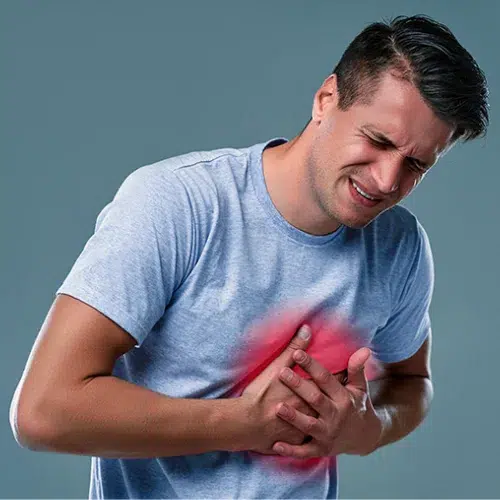
Sudden or severe shortness of breath requires urgent medical evaluation.
3. Chest Pressure or Discomfort
Chest discomfort is one of the most recognized heart attack symptoms. It may feel like:
- Pressure
- Squeezing
- Fullness
- Tightness
- Pain
- Uncomfortable heaviness
The discomfort may last several minutes or disappear and return. It can occur in the center of the chest and may happen with other symptoms.
Chest symptoms should not automatically be blamed on indigestion, stress, or heartburn. New or unexplained chest discomfort needs appropriate medical evaluation.
4. Pain or Discomfort in the Upper Body
Heart-related discomfort does not always stay in the chest.
It can involve:
- One or both arms
- Shoulders
- Back
- Neck
- Jaw
- Upper stomach
The CDC and American Heart Association both identify discomfort in these areas as possible heart attack symptoms.
For example, unexplained pressure or discomfort in the upper back combined with shortness of breath should not simply be dismissed as muscle soreness.
5. Dizziness or Lightheadedness
Feeling lightheaded, weak, or close to fainting can occur during a heart attack. It may happen because the heart is not pumping effectively enough to maintain normal blood flow.
Pay particular attention when dizziness occurs alongside:
- Chest discomfort
- Shortness of breath
- Sweating
- Nausea
- Palpitations
- Weakness
The American Heart Association includes lightheadedness among possible heart attack warning symptoms.
Severe dizziness or fainting should receive prompt medical attention.
6. Cold Sweats
Breaking out in a cold sweat without obvious reasons can be another warning sign.
This is different from sweating after:
- Exercise
- Hot weather
- Physical work
- Fever
Cold sweating may occur together with chest pressure, nausea, lightheadedness, or shortness of breath. The American Heart Association and CDC both list cold sweating among possible heart attack symptoms.
If unexplained cold sweating occurs with chest or upper-body discomfort, seek emergency medical care.
7. Nausea or Vomiting
Nausea and vomiting are sometimes overlooked because people may associate them with food poisoning, stomach problems, or a viral illness.
However, nausea can occur during a heart attack. Women may be more likely to experience less typical symptoms such as nausea, upset stomach, unusual fatigue, or back and shoulder discomfort.
Nausea becomes more concerning when it occurs with:
- Chest pressure
- Shortness of breath
- Cold sweating
- Jaw or arm discomfort
- Dizziness
- Unusual weakness
8. Fast or Irregular Heartbeat
A racing, pounding, fluttering, or irregular heartbeat may have many causes, including stress, caffeine, medications, dehydration, or an abnormal heart rhythm.
However, palpitations can sometimes occur alongside serious heart problems. The American Heart Association lists rapid or irregular heartbeat among other possible heart attack signs.
Seek urgent medical attention if palpitations occur with chest pain, shortness of breath, fainting, severe weakness, or other concerning symptoms.
FAQs
1. Can a heart attack be predicted one month before it happens?
Not reliably. Some people experience symptoms before a heart attack, but there is no proven checklist that can predict a heart attack exactly 30 days in advance.
2. What are common warning signs of a heart attack?
Common symptoms include chest discomfort, shortness of breath, upper-body discomfort, cold sweating, nausea, lightheadedness, and unusual fatigue.
3. Can extreme tiredness be a heart attack warning sign?
Unusual tiredness can occur with heart problems, particularly in women, but fatigue has many possible causes. Persistent or unexplained fatigue should be medically evaluated.
For more blogs visit : https://blogs.bangboxonline.com/posts/7-powerful-tips-for-finding-urgent-care-near-me-open-now

 English
 Arabic
 French
 Spanish
 Portuguese
 Deutsch
 Turkish
 Dutch
Dutch
 Italiano
 Russian
 Portuguese (Brazil)
 Greek
Greek
