


 Downloader
 Free FTP
Promote Your Product
Got a product, service, or story to share? Promote it directly to our active community and boost your brand today.
Create an Ad
Publish Bulk Blog Posts
Boost Your Reach! 📝
Have articles, guest posts, or bulk stories to publish? Send your content directly to our editorial team and feature on our platform.
Email Us Your PostsBefore You Book Laparoscopic Surgery in Islamabad, Read This
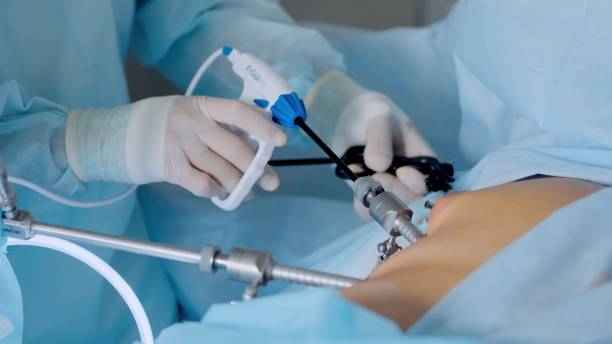
If you are considering Laparoscopic Surgery in Islamabad, choosing a surgeon and facility should involve more than comparing prices or looking at online reviews. Laparoscopic surgery, commonly called keyhole surgery, uses small abdominal incisions through which a camera and specialized surgical instruments are introduced. Depending on the condition being treated, it may be used for procedures involving the gallbladder, appendix, hernias, reproductive organs, and other abdominal or pelvic conditions.
Before booking, it is important to understand why the procedure has been recommended, what alternatives are available, how your surgeon plans to perform it, and what recovery may involve.
What Is Laparoscopic Surgery?
Laparoscopic surgery is a minimally invasive surgical technique. Instead of making one larger incision, the surgeon generally makes several smaller incisions and uses a laparoscope—a thin instrument with a camera—to view the operating area on a monitor.
The approach can offer advantages such as smaller incisions and, depending on the specific operation, potentially faster recovery than traditional open surgery. However, laparoscopic surgery is still a surgical procedure and should not be considered risk-free.
Know Why You Need the Procedure
One of the first questions to ask is: Why do I need laparoscopic surgery?
Your surgeon should explain your diagnosis, the purpose of the operation, expected benefits, and possible alternatives. Depending on your condition, alternatives could include medication, monitoring, another minimally invasive technique, or conventional open surgery.
Before consenting, make sure you understand:
- The exact condition being treated
- The goal of the operation
- Whether surgery is necessary now
- Available alternatives
- Expected benefits
- Potential complications
- Estimated recovery period
- Follow-up requirements
A good consultation should give you enough information to make an informed decision rather than pressure you into booking quickly.
Check Your Surgeon’s Experience
Surgeon expertise is one of the most important factors when choosing laparoscopic surgery in Islamabad. Ask about the surgeon's qualifications, relevant surgical training, experience with your specific procedure, and how frequently they perform laparoscopic operations.
You can also ask:
- How many procedures similar to mine have you performed?
- What laparoscopic technique will be used?
- What happens if keyhole surgery cannot safely be completed?
- Will an anaesthetist assess me before surgery?
- Where will the procedure be performed?
- What follow-up care will I receive?
Importantly, laparoscopic surgery may sometimes need to be converted to open surgery if this is considered necessary for patient safety. This possibility should be discussed before the operation.
Evaluate the Clinic and Surgical Facility
A qualified surgeon is only one part of safe surgical care. The facility should have appropriate operating-room infrastructure, anaesthesia support, trained nursing staff, sterilization protocols, emergency arrangements, and postoperative monitoring.
If you are considering SKN Cosmetics in Islamabad, discuss the exact procedure with the clinic and confirm that the requested laparoscopic operation is performed by an appropriately qualified surgical team in a suitable surgical facility. Do not rely solely on branding or promotional claims; ask about the surgeon, facility, anaesthesia arrangements, emergency support, and postoperative follow-up.
Understand Pre-Surgery Preparation
Your medical team may provide specific instructions before laparoscopic surgery. These can vary according to the procedure and your health.
Preparation may involve:
- Medical history and physical assessment
- Blood tests or other investigations when appropriate
- Reviewing current medicines and supplements
- Following fasting instructions
- Discussing allergies and previous reactions to anaesthesia
- Stopping or adjusting certain medicines only when instructed
- Arranging transportation home
- Planning assistance during the initial recovery period
Do not stop prescription medicines on your own. Your surgeon or anaesthetist should tell you which medicines need adjustment before surgery. Fasting instructions should also be followed exactly because they are part of safe anaesthesia preparation.
Know the Possible Risks
Laparoscopic surgery is commonly performed, but every operation has potential risks. Depending on the type of procedure, complications can include bleeding, infection, blood clots, injury to nearby organs or blood vessels, anaesthetic complications, and the need to convert to open surgery.
The risks are not identical for every patient. Your individual risk depends on factors such as the operation being performed, previous abdominal surgery, general health, medications, and other medical considerations.
This is why a personalized consultation is more useful than relying on generic risk percentages found online.
Prepare for the Recovery Period
One common misconception is that minimally invasive surgery means an immediate return to normal activities. Recovery varies considerably depending on the procedure and individual patient.
Some patients may go home the same day or the following day, while more complex operations can require a longer hospital stay. Recovery can also range from days to several weeks depending on the surgery performed.
After surgery, temporary symptoms may include:
- Abdominal soreness
- Bloating or cramps
- Tiredness
- Bruising around incisions
- Nausea
- Shoulder-tip discomfort caused by the gas used during laparoscopy
Your surgeon will provide personalized instructions about wound care, physical activity, driving, work, diet, and follow-up.
Ask About Warning Signs After Surgery
Before leaving the facility, make sure you know when to contact your medical team. Increasing abdominal pain, fever, persistent vomiting, worsening wound redness or swelling, pus or unusual discharge, significant bleeding, leg swelling, chest pain, or breathing difficulty can require prompt medical assessment.
Having a clear postoperative contact number is an important part of choosing a surgical provider.
How to Choose Laparoscopic Surgery in Islamabad
A practical decision-making checklist can help you compare providers objectively:
- Verify the surgeon's relevant qualifications and experience.
- Ask whether the facility is properly equipped for your procedure.
- Understand the diagnosis and reason for surgery.
- Discuss alternatives and expected outcomes.
- Ask about anaesthesia and preoperative assessment.
- Understand possible complications and conversion to open surgery.
- Get clear postoperative and emergency instructions.
- Consider follow-up care, not just the operation itself.
Frequently Asked Questions
Is laparoscopic surgery painful?
Some soreness and abdominal discomfort are expected after surgery, but pain management is provided according to the procedure and individual needs.
How long does laparoscopic surgery take?
The duration depends on the specific operation. Diagnostic laparoscopy may be shorter than more complex laparoscopic surgery.
Can laparoscopic surgery become open surgery?
Yes. If the surgeon believes open surgery is safer or necessary, conversion may be required.
How long is laparoscopic recovery?
Recovery varies by procedure. Some patients recover within days, while complex operations can require several weeks.
What should I ask before booking?
Ask about the surgeon's experience, diagnosis, alternatives, risks, anaesthesia, facility, recovery, and follow-up arrangements.
Final Thoughts
Choosing Laparoscopic Surgery in Islamabad should be based on informed medical decision-making rather than price or convenience alone. Understand your diagnosis, select an appropriately qualified surgical team, evaluate the facility, ask about risks and alternatives, and make sure you have a clear recovery and follow-up plan. A thorough consultation before booking can help you approach surgery with realistic expectations and greater confidence.

 Arabic
 French
 Spanish
 Portuguese
 Deutsch
 Turkish
 Dutch
 Italiano
 Russian
 Romaian
 Portuguese (Brazil)
 Greek
