


 Downloader
 Free FTP
Promote Your Product
Got a product, service, or story to share? Promote it directly to our active community and boost your brand today.
Create an Ad
Publish Bulk Blog Posts
Boost Your Reach! 📝
Have articles, guest posts, or bulk stories to publish? Send your content directly to our editorial team and feature on our platform.
Email Us Your PostsDiabetic Foot Ulcer Stages: What Changes When a Wound Gets Worse?
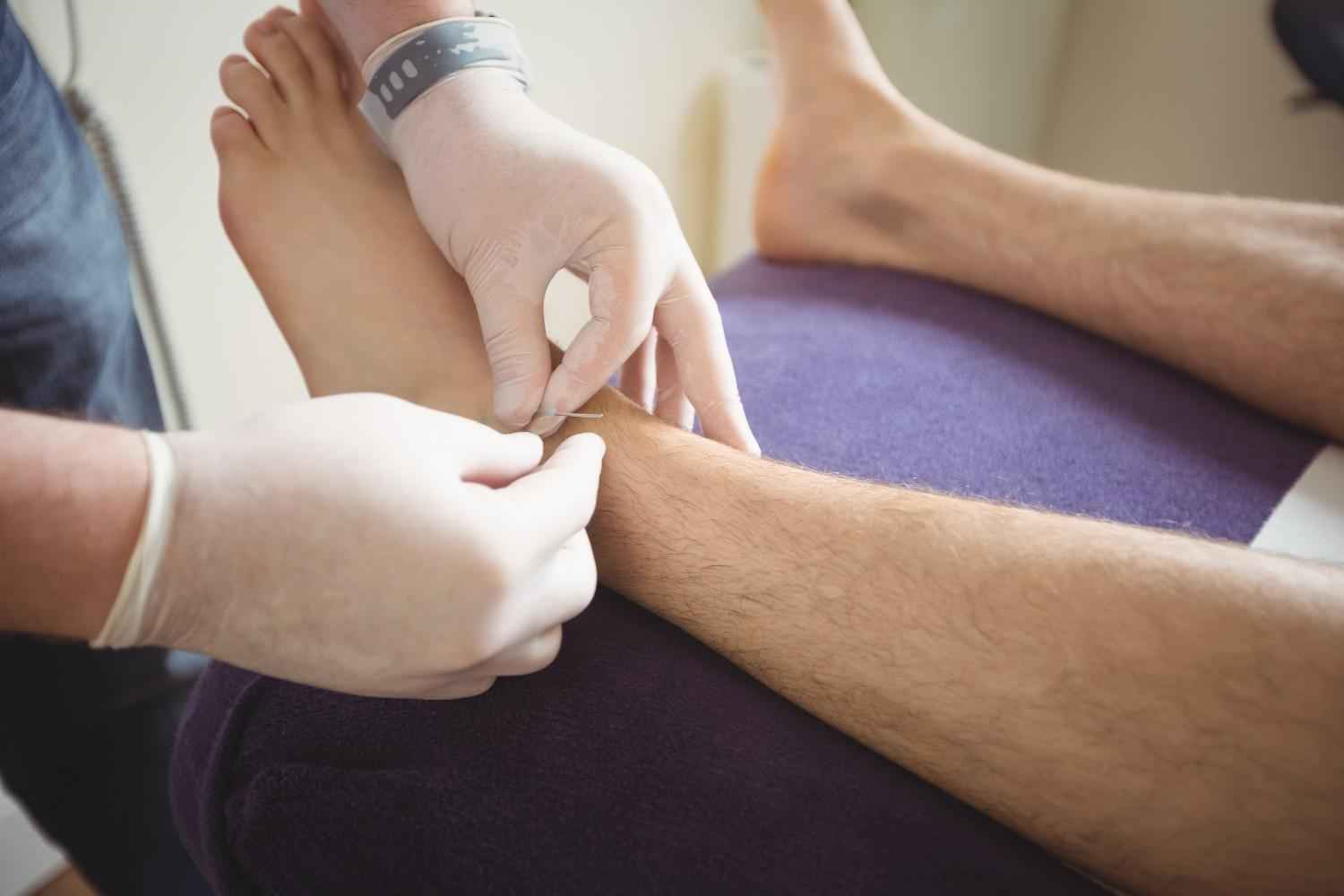
A diabetic foot ulcer can change from a small skin problem into a deeper wound when the factors causing it are not addressed. The progression may be difficult to notice because diabetes-related nerve damage can reduce pain sensation. Understanding diabetic foot ulcer stages helps explain how wound severity can change and why early assessment is important.
A diabetic foot ulcer is an open sore that can develop when pressure, friction, trauma, neuropathy, circulation problems, or other factors damage the foot. While some wounds remain superficial, others can extend into deeper tissues and become complicated by infection or poor blood supply.
A Wound Does Not Always Start as an Ulcer
Before an open wound appears, the foot may already show signs of stress. Persistent redness, thick calluses, blisters, dry cracks, or areas repeatedly irritated by footwear can indicate that the skin is under pressure.
These changes may be especially important when sensation is reduced. A person may continue walking or wearing uncomfortable shoes because the affected area does not hurt.
Recognizing these early warning signs provides an opportunity to address the cause before the skin breaks.
What Happens When Protective Sensation Is Reduced?
Peripheral neuropathy can interfere with the nerves responsible for detecting pressure and injury. This means that everyday activities may continue to expose vulnerable tissue to repeated trauma.
A blister that would normally cause discomfort may go unnoticed. A small stone inside a shoe may remain there for hours. A tight shoe may repeatedly rub against the same area.
This loss of warning sensation is one reason daily foot inspection is so important for people with diabetes.
The Early Phase: Skin Under Stress
The earliest of the diabetic foot ulcer stages may involve intact skin that is exposed to repeated pressure. A callus may become thicker, or an area may remain red after removing footwear.
At this point, there may be no open sore. However, continuing pressure can contribute to tissue damage beneath the surface.
Professional foot assessment can help identify pressure points and recommend appropriate strategies for reducing repeated stress.
The Open-Wound Phase
Once the skin breaks, a superficial ulcer can develop. It may look like a shallow crater, abrasion, or sore.
Some wounds may have drainage, while others may appear relatively dry. Surrounding skin can show redness or irritation.
The absence of severe pain does not make the wound insignificant. A person with neuropathy may have little awareness of the injury.
Prompt evaluation can help determine the depth and identify factors that could prevent healing.
When the Wound Extends Deeper
A wound can progress beyond the skin into underlying soft tissue. As the depth increases, the risk of complications may also increase.
The clinician may evaluate the wound's dimensions and depth while checking for infection, circulation problems, pressure, and other contributors.
At this point, the diabetic foot ulcer stages are no longer simply an educational concept. Determining the actual severity can influence the type of care required.
When Deeper Structures Are Involved
Advanced ulcers can extend toward tendons, joints, or bones. Deeper involvement can significantly complicate treatment and may increase the risk of serious infection.
The external appearance of a wound cannot always reveal the extent of tissue damage. A small opening may have deeper involvement underneath.
Healthcare professionals may therefore use clinical examination and, when appropriate, additional investigations to evaluate suspected deep tissue involvement.
Infection Can Make a Wound Deteriorate
An open wound can become infected, particularly when tissue is damaged and healing is impaired. Increasing redness, warmth, swelling, drainage, odor, or worsening tissue appearance can be warning signs.
A serious infection may extend into deeper tissues and can sometimes be associated with fever or feeling unwell.
Because infection can progress, a changing diabetic foot wound should receive medical attention rather than being managed solely with home remedies.
What Poor Circulation Can Do
Adequate circulation is necessary for wound healing. Blood carries oxygen and nutrients to damaged tissues and supports the body's repair processes.
Diabetes can occur alongside peripheral arterial disease, which may reduce blood flow to the feet. A wound may therefore heal slowly or remain open for an extended period.
Cool skin, unusual color changes, weak pulses, or persistent wounds can warrant professional vascular assessment.
Why Tissue Color Matters
Changes in tissue color can occur for different reasons. Redness may accompany irritation or inflammation, while pale, bluish, gray, or black areas may indicate other concerns.
Black or gray tissue can sometimes represent tissue death and requires prompt evaluation, especially when combined with swelling, odor, drainage, or changes in temperature.
Color alone cannot determine the severity of an ulcer, but significant or sudden changes should never be ignored.
The Pressure Problem Does Not Disappear on Its Own
If an ulcer is located on a weight-bearing area, normal walking may repeatedly stress the wound. This can interfere with healing.
Offloading aims to reduce pressure on the affected area. The appropriate technique depends on the wound's location, depth, infection status, and the individual's mobility.
A healthcare professional can recommend the most appropriate pressure-management approach.
Why Footwear Needs Regular Attention
Footwear can contribute to pressure-related skin damage when it does not fit properly. Narrow toe boxes, rough seams, hard internal surfaces, and inadequate support can create repeated irritation.
People with neuropathy may not feel these problems. Checking the feet after wearing shoes can reveal areas of redness or rubbing.
Shoes should provide enough room for the toes and should not produce persistent pressure on vulnerable areas.
The Role of Calluses in Foot Ulcer Risk
Calluses often develop where repeated friction or pressure occurs. They are not automatically ulcers, but they can indicate that a particular area is being overloaded.
Thick callused tissue can also make it more difficult to recognize changes underneath the surface.
People with diabetes should avoid cutting calluses themselves with blades or sharp instruments. Professional foot care can help address thickened skin while reducing the risk of accidental injury.
Why Wound Care Must Be Individualized
There is no single treatment plan that is appropriate for every diabetic foot ulcer. The approach may depend on wound depth, infection, circulation, pressure, tissue condition, blood glucose management, and other health factors.
A clinician may recommend wound cleaning, dressings, pressure relief, treatment for infection when indicated, vascular evaluation, or other interventions.
Self-treatment based solely on the appearance of the wound can overlook important underlying problems.
Daily Inspection Can Interrupt Progression
Regular inspection may help identify a wound before it becomes advanced. Examine the entire foot, including the soles, heels, sides, spaces between the toes, and areas around the toenails.
Look for new blisters, cuts, cracks, redness, swelling, calluses, drainage, bruising, or unusual discoloration.
If the soles are difficult to see, a mirror can help. People who cannot inspect their feet safely may need assistance.
When Waiting Becomes Risky
A diabetic foot wound deserves professional attention when it does not begin improving, becomes larger or deeper, or develops drainage or increasing redness.
Urgent evaluation is especially important when there is rapidly spreading redness, significant swelling, fever, foul-smelling drainage, black or gray tissue, or major changes in foot temperature or color.
Waiting for severe pain is particularly unreliable when diabetic neuropathy is present.
Prevention Remains Important at Every Stage
Foot protection should continue even after a wound improves. People with a previous diabetic foot ulcer may remain at increased risk of another wound.
Appropriate footwear, daily foot inspection, pressure management, diabetes care, and regular professional examinations can all support long-term foot health.
The purpose of understanding diabetic foot ulcer stages is not to encourage self-diagnosis. Instead, it is to help people recognize potentially concerning changes and understand why timely care matters.
Conclusion
Changes in diabetic foot ulcer stages can reflect increasing tissue damage, deeper involvement, infection, or complications related to poor circulation. A wound that begins as a small area of skin breakdown can become more serious when pressure continues or healing is impaired.
People with diabetes should pay attention to persistent redness, blisters, calluses, open wounds, swelling, drainage, and unusual discoloration. Early professional assessment can help identify contributing factors and reduce the chance of complications. Consistent foot care and appropriate diabetes management also remain important for preventing future wounds.
FAQs
Can an ulcer worsen even when the wound looks clean?
Yes. A clean-looking surface does not necessarily indicate that the tissue underneath is healthy. Wound depth, circulation, pressure, and possible infection all need to be considered during professional assessment.
What does increasing drainage from an ulcer mean?
Increasing drainage can indicate a change in the wound and may occur with infection or other complications. It should be evaluated, especially if accompanied by odor, swelling, redness, warmth, or worsening tissue appearance.
Does a previous diabetic foot ulcer increase future risk?
A previous ulcer can indicate continuing risk factors such as neuropathy, pressure abnormalities, or circulation problems. Preventive foot care and regular professional monitoring can therefore be particularly important.
Can good blood glucose management protect against foot ulcers?
Good diabetes management supports overall health and may reduce the risk of diabetes-related nerve and vascular complications. However, it does not eliminate the need for daily foot checks and appropriate footwear.

 English
 Arabic
 French
 Spanish
 Portuguese
 Deutsch
 Turkish
 Italiano
 Russian
 Romaian
 Portuguese (Brazil)
 Greek
