


 Downloader
 Free FTP
Promote Your Product
Got a product, service, or story to share? Promote it directly to our active community and boost your brand today.
Create an Ad
Publish Bulk Blog Posts
Boost Your Reach! 📝
Have articles, guest posts, or bulk stories to publish? Send your content directly to our editorial team and feature on our platform.
Email Us Your PostsPRP Hair Treatment in Abu Dhabi | Science & Benefits
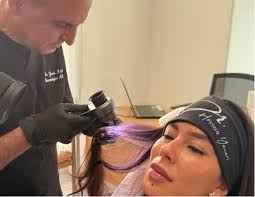
Hair loss can be a gradual process that becomes noticeable only after significant thinning has already occurred. For many people, seeing more hair on a pillow, noticing a wider part, or observing a receding hairline can raise concerns about future hair density. As hair restoration continues to develop, treatments that work with the body's natural processes have become increasingly popular.
PRP hair treatment in Abu Dhabi is one such approach. PRP stands for platelet-rich plasma and involves using a concentrated portion of a person's own blood to support the scalp and existing hair follicles. Unlike a hair transplant, PRP does not move follicles from one area to another. Instead, it is designed to create a supportive environment for follicles that are still present.
Understanding how PRP works, what happens during treatment, and what results may realistically be expected can help you make a more informed decision.
What Is PRP?
Platelet-rich plasma is a concentrated component of blood containing platelets and plasma. Platelets are naturally involved in the body's repair processes and contain various growth factors and signaling proteins.
During PRP hair treatment, a small blood sample is collected and processed to concentrate the platelets. The resulting PRP is then introduced into selected areas of the scalp.
The idea behind the treatment is to use these naturally occurring components to support the environment surrounding hair follicles.
How Does PRP Work for Hair?
Hair follicles require a healthy surrounding environment to maintain normal growth cycles. When follicles become weakened or miniaturized, hair can gradually become finer and less noticeable.
PRP is intended to support the follicular environment by delivering a concentrated preparation containing platelets and growth-related components directly to areas experiencing thinning.
The response can differ from person to person. Factors such as the cause of hair loss, follicle condition, genetics, age, and general health may influence the outcome.
This is why PRP should not be viewed as a guaranteed solution for every type of hair loss.
The Science Behind Platelets
Platelets have an important role in the body's natural repair mechanisms. When tissue is injured, platelets become involved in the healing process and release substances that participate in cellular signaling and tissue repair.
PRP treatment makes use of this biological property by concentrating platelets from the patient's own blood.
In hair restoration, researchers have investigated whether these growth-related components can help support hair follicles and encourage a healthier hair-growth environment.
Although research into PRP for hair loss has produced encouraging findings, treatment outcomes can vary and research continues to evolve.
How Is PRP Hair Treatment Performed?
The procedure generally follows several steps.
Step 1: Hair and Scalp Evaluation
Before treatment, the scalp and pattern of hair loss are assessed. The goal is to understand the areas of concern and determine whether PRP may be suitable.
The possible cause of hair loss may also be considered because different conditions can require different treatment strategies.
Step 2: Blood Collection
A small amount of blood is drawn from the patient.
This sample is then prepared using specialized equipment.
Step 3: PRP Preparation
The blood is processed to separate and concentrate the platelet-rich portion.
The resulting PRP is prepared for application to the scalp.
Step 4: Targeted Scalp Treatment
The PRP is introduced into areas where hair thinning has been identified. Small injections are generally used to deliver the preparation to targeted regions.
Because there are no surgical incisions or transplanted follicles, the procedure is considered minimally invasive.
What Are the Potential Benefits?
There are several reasons people consider PRP hair treatment in Abu Dhabi.
Potential benefits include:
- Uses components derived from the patient's own blood
- Does not require hair transplantation
- Minimally invasive approach
- May support existing hair follicles
- May improve the appearance of thinning hair
- Can target specific areas of the scalp
- Usually involves limited downtime
- Can potentially be incorporated into a wider hair restoration plan
The results depend on individual circumstances, so a consultation is important before treatment.
Who May Benefit From PRP?
PRP may be suitable for people with certain types of early or moderate hair thinning, particularly when viable hair follicles remain in the affected areas.
People considering treatment may have concerns such as:
- Gradual hair thinning
- Reduced hair density
- Early pattern hair loss
- Thinning around the crown
- A widening part
- Weak-looking or finer hair
However, people with advanced follicular loss may require a different approach.
A professional assessment can help determine whether PRP is appropriate for your specific condition.
PRP for Men and Women
Hair loss does not affect only one gender. Both men and women may experience thinning hair for different reasons.
Men may notice changes around the temples, hairline, or crown. Women may experience diffuse thinning or a widening central part.
PRP may be considered for both men and women when the underlying condition and follicle health make the treatment appropriate.
The treatment plan should always be personalized rather than based solely on gender.
What Can You Expect After Treatment?
PRP generally does not require a lengthy recovery period.
Some patients may experience temporary effects such as:
- Mild scalp tenderness
- Redness
- Slight swelling
- Minor bruising
- Temporary sensitivity
These effects typically improve as the scalp settles.
Following aftercare recommendations can help minimize unnecessary irritation and support the recovery process.
When Do Results Appear?
Hair growth is naturally slow, so PRP should not be expected to produce overnight results.
Some patients may first notice changes in hair texture or reduced shedding before visible improvements in density become apparent.
A treatment plan may involve multiple sessions because hair follicles operate according to natural growth cycles.
Results can vary considerably. Some individuals may experience noticeable improvement, while others may see a more modest response.
Why Multiple Sessions May Be Recommended
Hair follicles do not change instantly. Because of the natural hair-growth cycle, treatment plans may include several PRP sessions spaced over a period of time.
The number and timing of sessions can depend on:
- Hair-loss pattern
- Follicle condition
- Treatment response
- Overall scalp health
- Individual goals
Maintenance treatment may also be discussed in some cases.
Is PRP a Hair Transplant Alternative?
PRP and hair transplantation work differently.
A hair transplant physically moves follicles from a donor region to an area affected by hair loss. PRP does not transplant hair.
Instead, PRP focuses on supporting follicles that are already present.
For people with early thinning, PRP may be an attractive minimally invasive option. For advanced hair loss with areas where follicles are no longer viable, transplantation or other approaches may be considered.
A professional evaluation is the best way to understand which option is appropriate.
How Can You Support Healthy Hair?
Hair treatment works best when combined with healthy hair and scalp habits.
Consider:
Eat a Balanced Diet
Protein, vitamins, minerals, and other nutrients contribute to normal hair health. Nutritional deficiencies should be addressed with appropriate professional guidance.
Handle Hair Gently
Avoid excessive pulling, aggressive brushing, or frequent high-heat styling when possible.
Take Care of Your Scalp
Keeping the scalp clean and following suitable scalp-care practices can contribute to a healthy environment for hair.
Manage Stress
High levels of ongoing stress can affect the normal hair-growth cycle in some individuals. Healthy sleep, physical activity, relaxation, and stress-management habits may be beneficial.
Why Choose PRP Hair Treatment in Abu Dhabi?
People searching for PRP hair treatment in Abu Dhabi may be looking for a minimally invasive way to address early hair thinning while preserving their existing hair.
The treatment is particularly interesting because it uses the patient's own blood components rather than introducing a transplanted follicle or relying on a surgical procedure.
However, choosing PRP should begin with understanding the cause of hair loss and the condition of your follicles. A personalized assessment can help establish realistic expectations and determine whether PRP fits your hair restoration goals.
Frequently Asked Questions
Is PRP hair treatment natural?
PRP is prepared from the patient's own blood. The platelet-rich portion is concentrated and then used during the scalp treatment.
Does PRP work for every type of hair loss?
No. The response depends on the underlying cause of hair loss, the condition of the follicles, and other individual factors.
Can women have PRP hair treatment?
Yes. PRP may be considered for both men and women when the treatment is appropriate for their type of hair thinning.
Does PRP immediately grow new hair?
No. Hair growth occurs gradually. Visible changes may take time and can vary between individuals.
Can PRP be combined with other treatments?
In some cases, PRP can be included as part of a broader hair restoration strategy. The appropriate combination depends on the individual's condition.
Conclusion
Understanding the science behind PRP hair treatment in Abu Dhabi can make the decision to explore hair restoration much easier. By concentrating platelets from the patient's own blood and introducing them into areas of scalp thinning, PRP aims to support the environment around existing hair follicles.
While it is not a guaranteed cure for every form of hair loss, it can be a useful minimally invasive option for appropriately selected individuals. A proper evaluation, realistic expectations, and a personalized treatment plan are essential for making an informed decision.
For those exploring professional hair restoration options, Tajmeels Clinic can be considered when researching suitable treatment settings and guidance. Taking action early when hair thinning becomes noticeable may provide more opportunities to support existing follicles and maintain a fuller-looking appearance.

 Arabic
 French
 Spanish
 Portuguese
 Deutsch
 Turkish
 Dutch
 Italiano
 Russian
 Romaian
 Portuguese (Brazil)
 Greek
