


 Downloader
 Free FTP
Elevate Your Brand: The Impact of 3D Puff Embroidery on Corporate Apparel
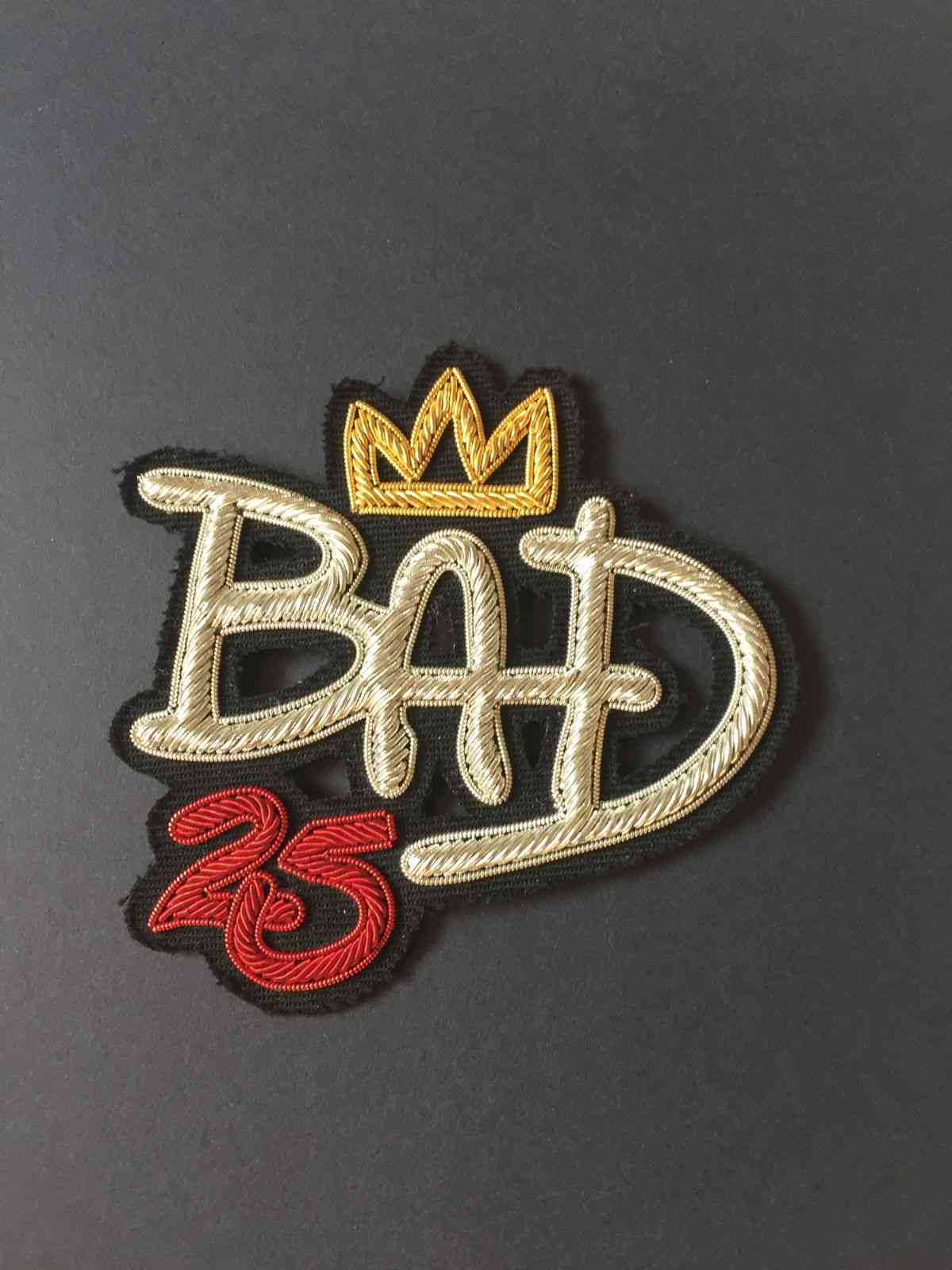
Every business wants to look good. Your team represents your name when they meet new clients. They wear shirts with your logo to show who they are. They wear hats at big outdoor events. Standard clothing options look okay. But you can do something much better to stand out from the crowd.
You can make your corporate gear jump right out. You can use raised letters that feel thick and strong. The skill needed to map out these raised designs is called 3D Puff Embroidery Digitizing. This method adds real depth to your brand clothes. It makes a regular team uniform look like an expensive retail item.
The Basics of Raised Stitching
This method is not like flat sewing. It uses a clean 3D look to catch the eye. The thread sits high above the cloth surface. Flat designs look fine but they can blend into the fabric. A raised design uses a thick layer under the thread. This makes the text jump forward. It creates a small shadow on your shirt or cap. That shadow makes the logo easy to see from far away.
How the Machine Builds the Layers
A sewing machine needs a guide to build a 3D shape. The computer file tells the machine exactly when to slow down. The process requires a physical base to create the height before the top thread goes to work.
Placing the Base Material
We use a special foam sheet for this process. We place the foam directly on top of the shirt or hat. The needle sews right over this foam layer.
Covering the Foam Base
The top stitches must be very tight. They pack together to hide the foam completely. The thread forms a smooth shell over the soft backing material. When the machine stops sewing, you pull the remaining foam away. The tight stitches cut the foam edges cleanly. The foam stays trapped inside the shape to keep it high and soft.
Why Corporate Apparel Needs High Quality Gear
Your brand image depends on small details. Cheap shirts look bad after a few trips to the laundry machine. High quality gear builds deep trust with your clients. When your team wears top tier gear, people notice right away. It shows you care about quality. It shows you do not cut corners on your work.
Establishing Real Authority
A client forms an opinion about your company in seconds. A clean raised logo looks modern. It shows your business is stable and strong. Every worker should look like they belong to the same group. Raised stitching stays neat on every single piece of cloth. It looks uniform across different sizes and styles.
The Durability Factor
Corporate clothes get a lot of daily wear. They must endure long work hours and frequent cleaning cycles. Cheap prints peel off in hot water. Thread does not peel. The tight satin stitches stay locked onto the garment face. People who work outside need tough clothes. Good embroidery thread keeps its color in the sun. The logo stays bright and sharp for many months.
Choosing the Best Garments for 3D Designs
You cannot use this raised style on every type of cloth. Some items are too thin or too soft to hold the weight. Hats are the most common choice for 3D logos. They have a stiff front panel that can support the thick foam layer.
The Power of the Corporate Cap
Modern tech firms love clean snapback caps. A bold 3D letter on the front looks young and fresh. It fits well with a casual office culture. Trucker hats have a mesh back to keep workers cool. The solid front canvas is perfect for heavy raised text. It keeps its shape even when it gets dirty on the job.
Thick Jackets and Outerwear
Winter coats are another excellent canvas for raised embroidery. The heavy material balances the thick thread weight. Field managers need tough gear. Canvas is thick and dense. It supports large 3D logos on the chest or back without wrinkling.
Premium Softshell Coats
Softshell coats are sleek and windproof. A clean 3D logo on the sleeve or pocket adds a high tech feel. It looks professional in important board meetings. Fleece is soft but it can swallow standard flat stitches. Raised embroidery keeps the logo sitting on top of the fuzzy material. It remains readable from a long distance.
Technical Rules for the Computer File
Making a 3D file requires specific rule adjustments. The computer designer must plan for the thick foam layer. If the stitches are too loose, the foam will peek out between the threads. If the stitches are too tight, the needle will shred the foam into dust.
Managing Stitch Density Settings
The spacing between needle drops must be precise. It needs to be closer than a regular flat stitch setup. We use a high density setting to wrap the foam completely. If the needle stays in one spot too long, thread will bundle underneath. This creates a messy lump that can break the needle or jam the machine hook.
The Importance of Stop Stitches
A 3D line cannot just stop open. The ends of every letter must be sealed tightly. We use a small cross stitch at the end of a line. This acts like a cap on a bottle. It folds the foam down and buries it under the top layer. If you skip the cap stitches, the foam will stick out of the letter tips. It looks like little bits of hair. A clean file seals those tips completely.
How to Evaluate Your Finished Gear
Before you hand out shirts to your workers, you should inspect the quality. Look closely at the stitch borders. High quality work looks clean from both the front and the back sides. The corners of your letters should look sharp. They should not look round or sloppy. The thread must meet at exact angles.
Smooth Curve Lines
Circles and curved shapes should flow without bumps. The needle path must change angles smoothly to follow the line. Turn the shirt inside out to check the back. The back side should have very few loops or knots. It should feel soft against the skin of your team members.
Building a Strong Brand Presence
Your corporate gear is a walking billboard for your company. Investing in premium raised stitching tells the world that your business values excellence. It creates a lasting bond of trust with your staff and your clients.

 Arabic
 French
 Spanish
 Portuguese
 Deutsch
 Turkish
 Dutch
Dutch
 Italiano
 Russian
 Romaian
 Portuguese (Brazil)
 Greek
Greek
