


 Downloader
 Free FTP
Promote Your Product
Got a product, service, or story to share? Promote it directly to our active community and boost your brand today.
Create an Ad
Publish Bulk Blog Posts
Boost Your Reach! 📝
Have articles, guest posts, or bulk stories to publish? Send your content directly to our editorial team and feature on our platform.
Email Us Your PostsWhat Are Dental Crowns Made Of, Anyway?
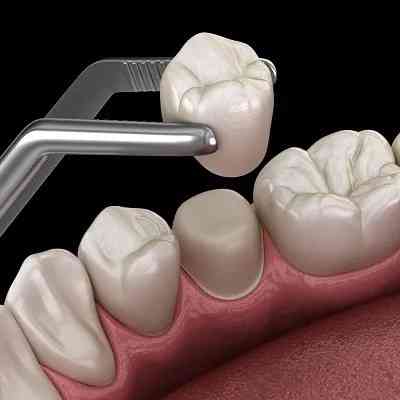
Dental crowns are custom-made caps that cover damaged, weakened, or worn teeth to restore their strength, function, and appearance. They are commonly used after root canal treatment, for large cavities, cracked teeth, or cosmetic improvements. One of the most common questions patients ask is, "What are dental crowns made of?" The answer depends on your dental needs, the location of the tooth, and your budget.
Porcelain Crowns
Porcelain crowns are one of the most popular choices because they closely resemble natural teeth. Their color, texture, and translucency make them an excellent option for front teeth, where appearance is especially important. Porcelain crowns are also stain-resistant and blend seamlessly with surrounding teeth.
Ceramic Crowns
Ceramic crowns provide excellent aesthetics while being completely metal-free. They are often recommended for patients with metal allergies or sensitivities. Ceramic materials are durable enough for many areas of the mouth and provide a natural-looking smile.
Zirconia Crowns
Zirconia crowns have become increasingly popular due to their exceptional strength and durability. They can withstand heavy biting forces, making them ideal for back teeth where chewing pressure is greatest. Despite their strength, modern zirconia crowns also offer an attractive, natural appearance.
Porcelain-Fused-to-Metal (PFM) Crowns
Porcelain-fused-to-metal crowns combine the strength of a metal base with the natural appearance of porcelain. They have been widely used for many years and provide reliable durability. However, over time, the metal edge may become visible near the gum line in some patients.
Metal Crowns
Metal crowns are typically made from gold alloys or other durable metals. They are extremely strong, resistant to wear, and require less removal of natural tooth structure. Although they last for many years, their metallic appearance makes them less popular for visible teeth.
Resin Crowns
Resin crowns are generally less expensive than other types of crowns. They may be used as temporary restorations while a permanent crown is being fabricated. However, they are more likely to wear down or fracture over time compared to porcelain or zirconia.
Which Material Is Best?
There is no single material that is best for every patient. Your dentist will recommend the most suitable option based on several factors, including:
- The location of the tooth
- Your bite and chewing habits
- Cosmetic goals
- Budget
- Oral health condition
- History of teeth grinding
For front teeth, porcelain or ceramic crowns often provide the most natural appearance. For back teeth that experience greater chewing pressure, zirconia or metal crowns may offer greater durability.
How Long Do Dental Crowns Last?
The lifespan of a dental crown depends on the material used, your oral hygiene, and your daily habits. Most quality crowns can last between 10 and 15 years, while some last much longer with proper care. Regular dental checkups, brushing, flossing, and avoiding chewing hard objects help extend the life of your crown.
Conclusion
Dental crowns are available in several materials, including porcelain, ceramic, zirconia, porcelain-fused-to-metal, metal, and resin. Each material offers unique benefits in terms of strength, appearance, and longevity. By discussing your needs with your dentist, you can choose the crown that best restores your tooth while providing lasting comfort, function, and a confident smile.

 Arabic
 French
 Spanish
 Portuguese
 Deutsch
 Turkish
 Dutch
Dutch
 Italiano
 Russian
 Romaian
 Portuguese (Brazil)
 Greek
Greek
