


 Downloader
 Free FTP
Promote Your Product
Got a product, service, or story to share? Promote it directly to our active community and boost your brand today.
Create an Ad
Publish Bulk Blog Posts
Boost Your Reach! 📝
Have articles, guest posts, or bulk stories to publish? Send your content directly to our editorial team and feature on our platform.
Email Us Your PostsThe Secret Behind Authentic Andhra Gongura Chutney Recipe
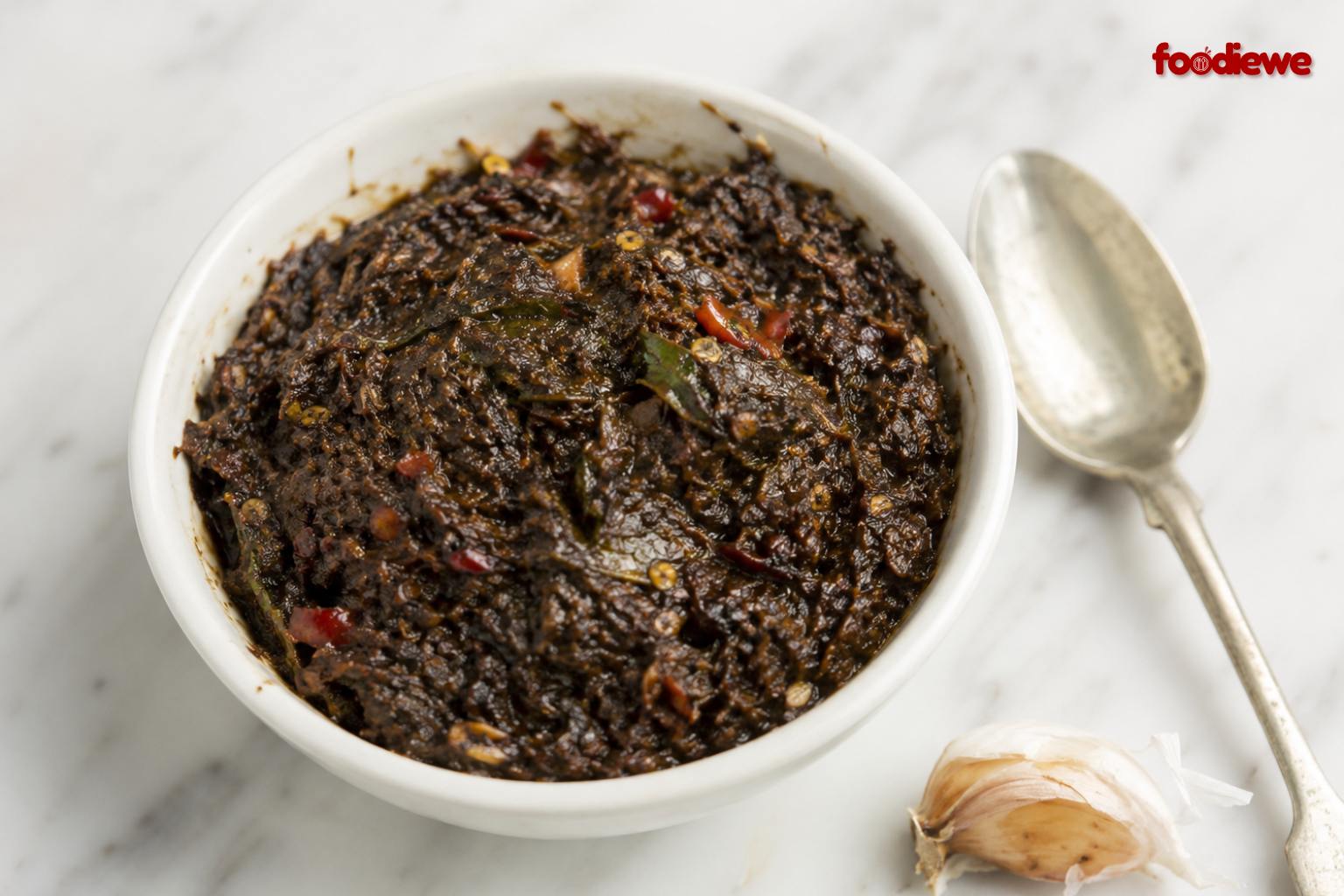
There's no actual secret to gongura chutney — just details most recipes skip. That's the honest truth. Every "secret ingredient" claim you'll find online is usually just someone finally explaining the step everyone else glossed over. This one walks through what genuinely changes the outcome, not vague mystique.
Quick Answer: The real difference in authentic Andhra gongura chutney comes down to cooking technique, not a hidden ingredient — specifically, sautéing 250g of leaves slowly enough to reduce their moisture before grinding with red chilies.
What Is Gongura Chutney and Why It Became a Street Food Icon
Gongura chutney is a tangy Andhra Pradesh condiment made from cooked sorrel (gongura) leaves ground with red chilies and garlic, finished with a tempering of mustard seeds and curry leaves. Its popularity runs deep enough that gongura became Andhra Pradesh's officially recognized state leafy vegetable in 2011, a nod to how central it is to everyday Telugu cooking. You'll see the Andhra gongura chutney recipe passed down almost unchanged across generations, since the base technique hasn't needed much updating. A tablespoon serving sits around 18–20 calories, which explains why it's eaten liberally rather than rationed like a condiment.
How to Make Gongura Chutney Without Ruining It
Making authentic gongura chutney comes down to controlling the leaf's natural moisture at every single stage. Here's what actually works, in order:
-
Wash the leaves thoroughly and let them air-dry completely. Any trapped water turns into steam during cooking, which prevents the leaves from actually sautéing properly.
-
Cook on low-to-medium heat, stirring frequently, until the volume drops by half. Cranking the heat to speed things up just scorches the outer leaves while the center stays undercooked.
-
Let the cooked leaves cool to room temperature, roughly 10 minutes, before grinding. Grinding warm leaves adds extra moisture back into the paste, undoing the reduction work from step two.
-
Grind coarsely in short bursts rather than one long blend. This is what separates a proper gongura chutney recipe from a smoothie — you want visible leaf texture, not a puree.
Pro Tip: Use 8–10 dried red chilies soaked in warm water for 5 minutes before grinding — it softens them just enough for an even blend without diluting the paste.
The Mistakes That Actually Ruin Gongura Chutney
Three specific errors account for almost every disappointing batch, and none of them are about the ingredients themselves. Not cooking the leaves down enough is the first — undercooked gongura retains too much raw bite and moisture, leaving the chutney thin and overly sharp. Adding the tempering while the chutney is still hot is the second — it changes how the oil settles and can make the final product separate weirdly in storage.
Using metal containers for storage is the third, since gongura's acidity reacts with certain metals over time and can affect both taste and color after a few days. And here's the honest caveat: even done right, this chutney's texture varies slightly batch to batch depending on how tender the leaves were at harvest — that's just biology, not a mistake. For a thorough walkthrough with exact dough ratios and the tawa heat test explained, the Andhra gongura chutney recipe on Foodiewe.com is one to save.
Tips That Actually Help in an Indian Kitchen
A few small habits separate an average batch from a genuinely good one. Fresh gongura leaves cost around ₹15–20 per bunch at most local markets, with peak quality during the monsoon and early winter months. A heavy cast-iron kadai works better than a thin steel pan since it holds even heat while the leaves reduce down slowly.
Rayalaseema-style recipes sometimes add a touch of roasted sesame for depth, while the more common coastal version keeps it simple with just chili and garlic. Pair the finished chutney with hot rice, ghee, and papad for the classic combination most households default to. And when checking gongura chutney ingredients on packaged versions, watch for added preservatives — a good homemade batch shouldn't need any.
FAQ
What's the actual secret to authentic Andhra gongura chutney?
There's no single secret ingredient — the real difference comes from slow-cooking the leaves long enough to reduce their moisture before grinding. Recipes that rush this step end up thin and lack the characteristic thick, coarse texture.
Can I make a milder version of gongura chutney for kids?
Yes, reducing the red chilies to 3–4 and adding a touch of jaggery softens the heat significantly while keeping the leaf's natural tang. This makes for a gentler introduction to the flavor for younger or spice-sensitive eaters.
Does gongura chutney offer any real nutritional benefit?
Gongura leaves are naturally high in vitamin C and iron, and a typical serving of the chutney stays under 20 calories per tablespoon. It's a nutrient-dense way to add flavor without adding significant calories to a meal.
Bottom Line
Gongura chutney doesn't need a secret recipe passed down in whispers — it needs patience with the leaves and a willingness to not rush the process. Get that right, and every batch of gongura chutney turns out the way it's supposed to.

 Arabic
 French
 Spanish
 Portuguese
 Deutsch
 Turkish
 Dutch
Dutch
 Italiano
 Russian
 Romaian
 Portuguese (Brazil)
 Greek
Greek
