


 Downloader
 Free FTP
Promote Your Product
Got a product, service, or story to share? Promote it directly to our active community and boost your brand today.
Create an Ad
Publish Bulk Blog Posts
Boost Your Reach! 📝
Have articles, guest posts, or bulk stories to publish? Send your content directly to our editorial team and feature on our platform.
Email Us Your PostsChoosing the Perfect Perimeter: Aluminum Fence vs. Vinyl Fence
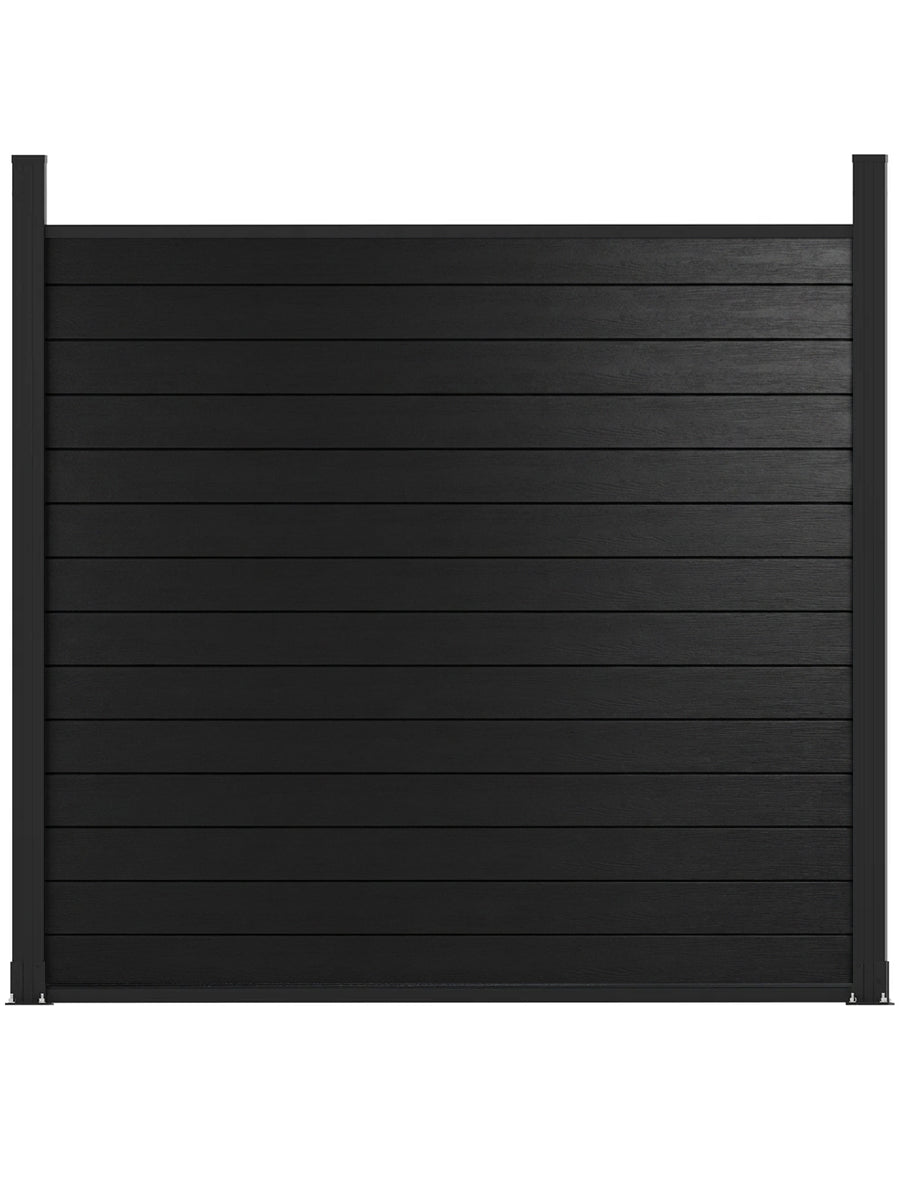
When it comes to upgrading your property's curb appeal and security, choosing the right material is the most crucial decision you will make. Two of the most popular modern options on the market today are aluminum and vinyl. Both materials offer incredible longevity compared to traditional wood, but they serve completely different aesthetic and functional purposes. Navigating the aluminum fence vs. vinyl fence debate requires looking closely at your specific needs for privacy, design, maintenance, and budget to determine which material aligns perfectly with your home's architecture and your lifestyle.
The Aesthetic Differences and Design Variations
The visual impact of your perimeter choice plays a massive role in your home's overall style. Aluminum options offer a sleek, classic look that closely mimics traditional wrought iron, providing an elegant and upscale feel that leaves your view unobstructed. On the flip side, vinyl options provide a clean, modern aesthetic with thick, solid panels that can mimic painted wood without any of the associated upkeep. When comparing an aluminum fence vs. vinyl fence visually, you are essentially choosing between the open, stately elegance of metal pickets and the solid, clean-lined presence of synthetic panels.
Evaluating Privacy and Security Capabilities
Homeowners often install barriers either to keep things in or to keep prying eyes out. If your primary goal is to create a secluded backyard sanctuary where neighbors cannot see your swimming pool or patio, vinyl is the undisputed champion because its interlocking tongue-and-groove panels block all lines of sight. Conversely, aluminum is designed with open pickets which do not offer privacy, though they provide excellent security against intruders and safely contain large pets. Weighing the aluminum fence vs. vinyl fence factors means deciding whether structural security or total visual privacy is your top priority.
Durability in Harsh Weather Conditions
Both materials are celebrated for outlasting wood, but they react differently to intense environmental stressors. Aluminum is incredibly resilient, rust-proof, and capable of handling extreme heat, heavy rain, and freezing temperatures without shifting or degrading. Vinyl is also completely waterproof and immune to pests, but extreme freezing temperatures can sometimes make it brittle and susceptible to cracking under high impact. Understanding how weather impacts an aluminum fence vs. vinyl fence will help you choose a material that can withstand your specific regional climate for decades to come.
Maintenance Requirements and Longevity over Time
One of the greatest benefits of moving away from wood is eliminating the constant cycle of sanding, staining, and painting. Aluminum requires virtually zero maintenance beyond an occasional rinse with a garden hose to remove dirt, as its powder-coated finish resists chipping and scratching. Vinyl is also low-maintenance, but its light-colored, solid surfaces tend to show dirt, green algae, and grass stains much more easily, requiring a thorough washing with soap or a pressure washer once or twice a year. In the long-term comparison of aluminum fence vs. vinyl fence upkeep, both save you massive amounts of time, though aluminum stays looking cleaner with even less effort.

 English
 Arabic
 Spanish
 Portuguese
 Deutsch
 Turkish
 Dutch
Dutch
 Italiano
 Russian
 Romaian
 Portuguese (Brazil)
 Greek
Greek
