


 Downloader
 Free FTP
Promote Your Product
Got a product, service, or story to share? Promote it directly to our active community and boost your brand today.
Create an Ad
Publish Bulk Blog Posts
Boost Your Reach! 📝
Have articles, guest posts, or bulk stories to publish? Send your content directly to our editorial team and feature on our platform.
Email Us Your PostsCan Bleeding Gums Heal on Their Own?
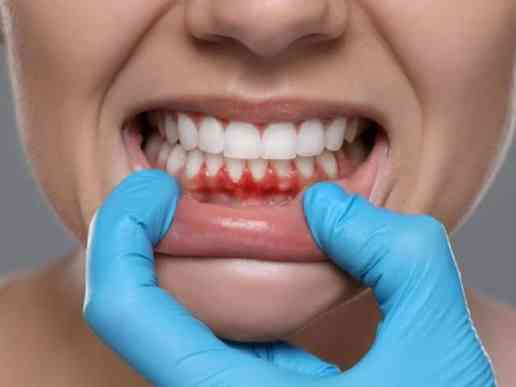
Bleeding gums are one of the earliest warning signs that something may be affecting your oral health. Many people notice a small amount of blood while brushing or flossing and assume it is temporary or harmless. Gum bleeding Treatment in Islamabad has become increasingly sought after because more individuals are recognizing the importance of addressing gum problems before they progress into serious dental conditions. Although mild gum bleeding can sometimes improve with better oral hygiene, it is not always something that heals completely on its own. Understanding why your gums bleed and knowing when to seek professional care can help protect both your oral health and your overall well-being.
Understanding Why Gums Bleed
Healthy gums should not bleed during normal brushing or flossing. If you notice blood regularly, it usually indicates inflammation or irritation within the gum tissues. The most common cause is plaque buildup along the gumline. Plaque is a sticky film of bacteria that accumulates on teeth throughout the day. If it is not removed effectively, it hardens into tartar, which cannot be eliminated through brushing alone.The bacteria present in plaque irritate the gums, causing redness, swelling, tenderness, and bleeding. This early stage of gum disease is known as gingivitis. At this point, the condition is generally reversible with proper dental care and improved oral hygiene. However, if left untreated, gingivitis can develop into periodontitis, a more severe form of gum disease that affects the supporting structures of the teeth.
Can Bleeding Gums Heal Naturally?
The answer depends largely on the underlying cause. If the bleeding is caused by temporary irritation or mild gingivitis, the gums may begin to recover once proper oral hygiene practices are followed consistently. Brushing twice daily, flossing carefully, and using an antibacterial mouthwash can significantly reduce bacterial buildup and allow the gum tissues to heal.However, natural healing only occurs when the source of irritation is removed. If plaque and tartar remain on the teeth, the inflammation will continue, and the bleeding is unlikely to stop completely. Simply waiting for the gums to heal without changing oral hygiene habits often allows the condition to worsen over time.When bleeding is associated with advanced gum disease, professional treatment becomes essential. Damaged gum tissues and supporting bone cannot regenerate on their own without appropriate dental intervention.
Common Causes of Bleeding Gums
While gum disease is the leading cause, several other factors can contribute to bleeding gums. Aggressive brushing with a hard-bristled toothbrush can injure delicate gum tissue. Improper flossing techniques may also cause temporary bleeding, especially if flossing has not been part of your daily routine.Hormonal changes during pregnancy, puberty, or menopause can increase gum sensitivity and make bleeding more common. Certain medications, particularly blood thinners, may also contribute to gum bleeding. Vitamin deficiencies, especially inadequate vitamin C and vitamin K intake, can weaken gum tissues and affect normal healing.Some medical conditions such as diabetes, blood disorders, and immune system diseases may increase the likelihood of bleeding gums as well. This is why persistent bleeding should never be ignored without proper evaluation.
Signs That Your Bleeding Gums Need Professional Attention
Occasional minor bleeding after vigorous brushing may not indicate a serious problem. However, bleeding that occurs frequently or is accompanied by additional symptoms often requires professional dental care.Swollen, red, or tender gums usually indicate ongoing inflammation. Persistent bad breath that does not improve with brushing may signal bacterial infection beneath the gumline. Gum recession, loose teeth, pain while chewing, or pus around the gums are more advanced warning signs that should be evaluated immediately.Ignoring these symptoms may allow gum disease to progress further, increasing the risk of tooth loss and more complex treatment in the future.
The Importance of Early Diagnosis
Early diagnosis plays a significant role in preserving healthy gums. During a dental examination, the dentist carefully assesses the condition of the gums, measures gum pockets around each tooth, and evaluates plaque and tartar accumulation. Dental X-rays may also be recommended to determine whether bone loss has occurred beneath the gums.Identifying the stage of gum disease allows the dentist to recommend the most appropriate treatment plan before permanent damage develops. Patients who seek care during the early stages often require simpler and less invasive procedures compared to those who delay treatment.
Professional Treatment Options for Bleeding Gums
The most suitable treatment depends on the severity of the condition. For mild gingivitis, professional dental cleaning is usually sufficient to remove plaque and hardened tartar that cannot be eliminated through brushing alone. Once these deposits are removed, the gums often begin healing within a few weeks, provided the patient maintains excellent oral hygiene.More advanced gum disease may require deep cleaning procedures known as scaling and root planing. These treatments clean beneath the gumline, smooth the tooth roots, and help the gums reattach to the teeth by reducing bacterial infection.In severe cases, periodontal surgery, laser therapy, or regenerative procedures may be necessary to restore damaged tissues and prevent further tooth loss. Regular follow-up visits ensure that healing continues and future complications are minimized.
Home Care That Supports Gum Healing
Professional treatment works best when combined with proper home care. Gentle brushing using a soft-bristled toothbrush effectively removes plaque without damaging sensitive gum tissues. Fluoride toothpaste and antibacterial mouthwash can further reduce harmful bacteria and promote healthier gums.Daily flossing remains essential, even if mild bleeding occurs initially. Many people avoid flossing because they notice blood, but consistent flossing often reduces bleeding as gum inflammation improves.
A balanced diet rich in vitamins, minerals, and antioxidants supports tissue repair and strengthens the body's immune response. Drinking adequate water helps maintain saliva production, which naturally cleanses the mouth and reduces bacterial growth.Avoiding tobacco products is equally important because smoking significantly delays gum healing, weakens the immune system, and increases the risk of advanced periodontal disease.
Preventing Future Gum Bleeding
Prevention remains the most effective strategy for maintaining healthy gums throughout life. Routine dental checkups allow dentists to detect early changes before symptoms become severe. Professional cleanings remove tartar deposits that cannot be addressed through home care alone.Brushing twice daily for at least two minutes and flossing every day greatly reduce plaque accumulation. Replacing toothbrushes every three months ensures effective cleaning, while limiting sugary foods and beverages decreases bacterial activity within the mouth.Managing medical conditions such as diabetes also contributes to healthier gums, as uncontrolled blood sugar levels increase susceptibility to infections and delayed healing.
Why You Should Not Ignore Bleeding Gums?
Many individuals believe bleeding gums are a minor inconvenience that will disappear without treatment. Unfortunately, this assumption often allows gum disease to progress silently. Unlike tooth decay, which frequently causes pain, gum disease can advance considerably before severe discomfort develops.Research has shown that chronic gum disease may also be associated with broader health concerns, including cardiovascular disease, diabetes complications, and adverse pregnancy outcomes. While these relationships continue to be studied, maintaining healthy gums is widely recognized as an important component of overall health.Seeking prompt dental evaluation not only protects your teeth but also contributes to long-term wellness by reducing chronic oral inflammation.
Conclusion
Bleeding gums can sometimes heal on their own if the underlying cause is mild irritation or early gingivitis and proper oral hygiene is immediately improved. However, persistent or recurring bleeding should never be considered normal, as it often signals an underlying dental problem that requires professional attention. Delaying treatment increases the risk of developing advanced gum disease, bone loss, and eventual tooth loss. Early diagnosis, routine dental visits, and consistent oral hygiene practices remain the most effective ways to restore and maintain healthy gums.

 English
 Arabic
 French
 Spanish
 Portuguese
 Deutsch
 Turkish
 Dutch
Dutch
 Italiano
 Romaian
 Portuguese (Brazil)
 Greek
Greek
