


 Downloader
 Free FTP
Promote Your Product
Got a product, service, or story to share? Promote it directly to our active community and boost your brand today.
Create an Ad
Publish Bulk Blog Posts
Boost Your Reach! 📝
Have articles, guest posts, or bulk stories to publish? Send your content directly to our editorial team and feature on our platform.
Email Us Your PostsThe Future of Linen Fabric in Sustainable Textile Manufacturing
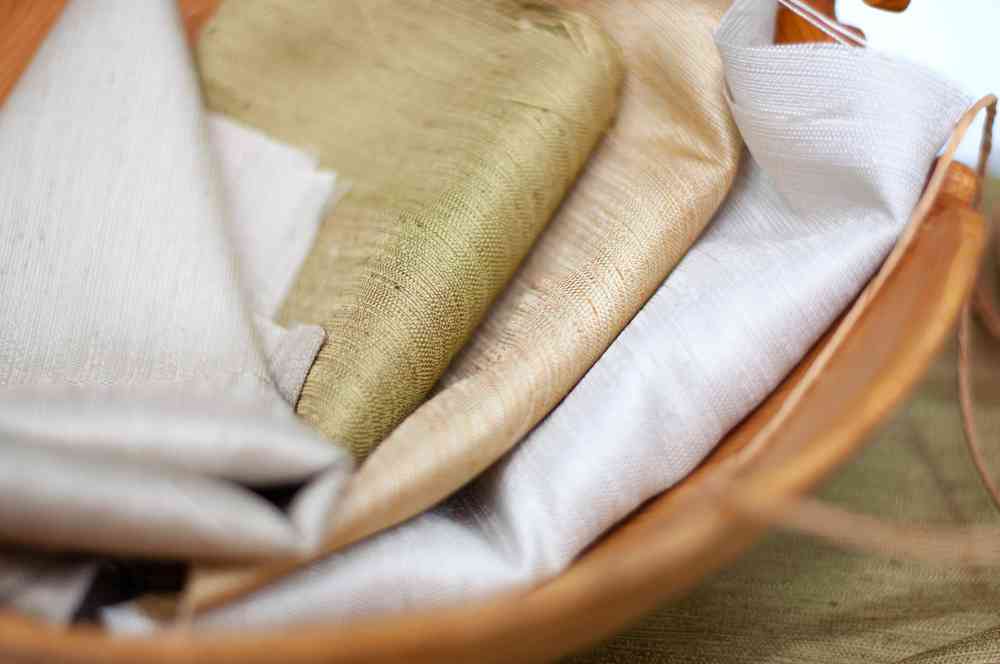
Linen fabric is emerging as one of the most sustainable options in textile manufacturing—requiring less water, fewer pesticides, and producing fully biodegradable material. With new processing innovations and rising consumer demand for ethical products, linen is well-positioned to lead the next chapter of sustainable fashion.
Sustainability is no longer optional in the textile industry—it's a business imperative. Brands, manufacturers, and consumers are under growing pressure to make more responsible choices, and the materials they use are at the center of that conversation.
Linen fabric has quietly become one of the strongest answers to that pressure. Sourced from the flax plant, linen has a production footprint that most synthetic fabrics simply can't match. Low water consumption, minimal chemical input, and full biodegradability make it a compelling choice for brands looking to reduce their environmental impact without compromising on quality.
This post breaks down why linen is gaining ground in sustainable manufacturing, what innovations are changing how it's produced, and what challenges still stand in the way of wider adoption. Whether you're looking to buy fabric online or source linen fabric wholesale for your brand, understanding these dynamics will help you make smarter decisions.
Why Linen Fabric Is a Sustainable Standout
How does linen compare to other fabrics in terms of water usage?
Linen production uses significantly less water than cotton. Flax plants thrive on natural rainfall in most growing regions, particularly across Western Europe, which dramatically reduces the need for irrigation. Cotton, by contrast, is notoriously water-intensive—requiring thousands of liters per kilogram of fiber produced.
For brands sourcing fabric wholesale, this matters. Water scarcity is becoming a serious risk factor in global supply chains, and materials that place lower demand on freshwater resources offer greater long-term stability.
Does linen require pesticides or chemicals to grow?
Flax is naturally resistant to many pests and diseases, which means farmers can grow it with little to no pesticide input. This reduces chemical runoff into local water systems and lowers the overall environmental cost of production.
Compare this to conventional cotton, which accounts for a disproportionate share of global pesticide use relative to the land area it occupies. Linen's natural resistance gives it a clear environmental edge at the crop level.
Is linen fabric biodegradable?
Yes—fully. Linen is a natural fiber, so it breaks down at the end of its life without leaving behind microplastics or synthetic residue. This is a critical differentiator from polyester and other petroleum-based fabrics, which persist in landfills and oceans for hundreds of years.
For consumers and brands focused on full lifecycle sustainability, linen's biodegradability is one of its most valuable attributes.
Innovations Changing How Linen Is Manufactured
What is eco-friendly retting, and why does it matter for linen production?
Retting is the process of separating linen fibers from the flax plant. Traditionally, water retting was the standard method—effective, but environmentally costly due to the oxygen-depleting wastewater it generates.
Newer techniques are changing this. Dew retting, the oldest and most natural method, is being refined and reintroduced as a lower-impact alternative. Enzyme-based retting is also gaining attention—using biological agents to break down plant matter without harsh chemicals. These methods reduce water use and eliminate the toxic byproducts associated with older processes.
For manufacturers sourcing linen fabric at scale, these innovations mean cleaner production with fewer regulatory and reputational risks.
What are closed-loop production systems in linen manufacturing?
Closed-loop systems are designed to minimize waste by recycling materials and water within the production process itself. Instead of discarding byproducts, manufacturers repurpose them—linen processing waste, for example, can be used in paper production, animal feed, or bio-based materials.
Some forward-thinking manufacturers are applying this model to linen, capturing and reusing water, reclaiming fiber offcuts, and reducing energy consumption throughout the production chain. The result is a leaner, more resource-efficient operation that aligns with the demands of ethical sourcing.
Market Demand and Consumer Perception of Sustainable Linen
Why are consumers choosing linen fabric over synthetic alternatives?
Ethical consumerism is reshaping purchasing decisions across fashion and home textiles. Consumers are actively seeking out products with clear sustainability credentials, and linen—with its natural origin and minimal processing requirements—resonates strongly with that mindset.
According to McKinsey's 2023 State of Fashion report, sustainability remains a top priority for fashion consumers globally, with a growing segment willing to pay a premium for verified sustainable materials. Linen sits well within this shift.
Its tactile quality also plays a role. Linen gets softer with each wash, ages well, and carries a natural aesthetic that aligns with contemporary design sensibilities. For brands that buy fabric online or through wholesale channels, linen offers both a sustainability story and a quality product.
Fabriclore Pvt Ltd—one of India's leading fabric suppliers and an accessible option for brands looking to buy linen fabric online or source linen fabric wholesale—has noted increased demand for natural and sustainable textiles from both domestic and international private label brands. Their platform supports low minimum order quantities (MOQ), making sustainable sourcing practical even for smaller fashion businesses.
Challenges in Scaling Sustainable Linen Production
What are the main supply chain challenges for linen fabric?
Linen's production geography is relatively concentrated. Europe—particularly France, Belgium, and the Netherlands—dominates global flax cultivation. This concentration creates supply chain risks, including exposure to weather events, geopolitical shifts, and limited production flexibility.
For brands sourcing fabric wholesale, diversification of supply is a real concern. Expanding flax cultivation into new regions could help address this, but it requires agronomic research, farmer education, and supportive policy frameworks—none of which happen quickly.
What investments are needed to grow sustainable linen manufacturing?
Scaling sustainable linen production requires capital investment in several areas: modern processing equipment, enzyme-based retting infrastructure, closed-loop water systems, and digital supply chain tools that improve traceability.
The economics are improving, but the upfront costs remain a barrier for smaller manufacturers. Industry collaboration, government incentives, and consumer willingness to pay for verified sustainability can all help tip the balance. Brands that commit to long-term sourcing relationships with sustainable linen producers also play a role in de-risking the investment for suppliers.
Linen's Potential to Lead Sustainable Fashion
Linen fabric has the environmental profile, the quality credentials, and the market momentum to become a cornerstone material in sustainable textile manufacturing. Its low water and chemical requirements, combined with full biodegradability, make it a genuinely compelling alternative to synthetic and conventional natural fibers alike.
The challenges are real—supply chain concentration, processing costs, and the capital required for innovation are all meaningful obstacles. But the direction of travel is clear. As brands face mounting pressure to clean up their supply chains, and as consumers grow more deliberate in their purchasing choices, linen's advantages become harder to ignore.
For brands ready to act, now is the right time to explore sustainable linen sourcing. Platforms like Fabriclore Pvt Ltd make it easier to buy linen fabric online or access linen fabric wholesale at competitive prices with low MOQ—removing one of the traditional barriers to sustainable sourcing.
Linen has always been durable. It turns out, it's also built for the future.
Frequently Asked Questions
Is linen fabric truly more sustainable than cotton?
Yes, in most key metrics. Linen requires significantly less water and fewer pesticides to produce than conventional cotton. It's also fully biodegradable, whereas many cotton blends contain synthetic fibers that aren't. For brands prioritizing environmental impact, linen is generally the stronger choice.
Where can I buy linen fabric online in bulk?
Several platforms offer linen fabric wholesale purchasing options online. Fabriclore Pvt Ltd is a well-regarded supplier that provides customized fabric sourcing at low MOQ, serving both local and international fashion brands.
What are the best uses for linen fabric in fashion and textiles?
Linen is highly versatile. It's commonly used in apparel (shirts, trousers, dresses), home textiles (bedding, curtains, upholstery), and accessories. Its breathability and durability make it particularly well-suited for warm-weather garments and high-use household items.
How does linen fabric perform over time?
Linen becomes softer and more comfortable with repeated washing and wear. Unlike many synthetic fabrics that degrade in quality over time, linen tends to improve—making it a durable and cost-effective choice in the long run.
Is there growing demand for linen fabric wholesale in the global market?
Yes. Demand for sustainable natural fibers, including linen, has been growing steadily as both consumer awareness and brand sustainability commitments increase. This trend is reflected in rising global linen fabric trade volumes and increased interest from fashion brands in ethical sourcing options.

 English
 Arabic
 French
 Spanish
 Portuguese
 Deutsch
 Turkish
 Dutch
Dutch
 Italiano
 Romaian
 Portuguese (Brazil)
 Greek
Greek
