Erectile dysfunction (ED) affects millions of men across all age groups, making it one of the most common male sexual health concerns. Although the condition becomes more common with age, it is not considered a normal part of aging. Factors such as diabetes, high blood pressure, heart disease, obesity, smoking, hormonal imbalances, stress, and poor lifestyle habits can all contribute to erectile dysfunction.
For many years, oral medications such as PDE5 inhibitors have been the first line of treatment. While these medications can be effective for many men, they typically provide temporary symptom relief and do not repair the underlying cause of erectile dysfunction.
Shockwave Therapy for Erectile Dysfunction has gained significant attention as a modern, non-invasive treatment designed to improve penile blood flow and support natural tissue healing. Rather than creating an artificial erection, this therapy aims to restore the body's ability to produce stronger, more natural erections over time.
In this detailed guide, you'll learn how shockwave therapy works, who can benefit, what happens during treatment, expected results, potential risks, recovery, and frequently asked questions.
What Is Shockwave Therapy?
Shockwave Therapy, medically known as Low-Intensity Extracorporeal Shockwave Therapy (Li-ESWT), is a non-surgical treatment that uses controlled acoustic waves to stimulate healing within the erectile tissues of the penis.
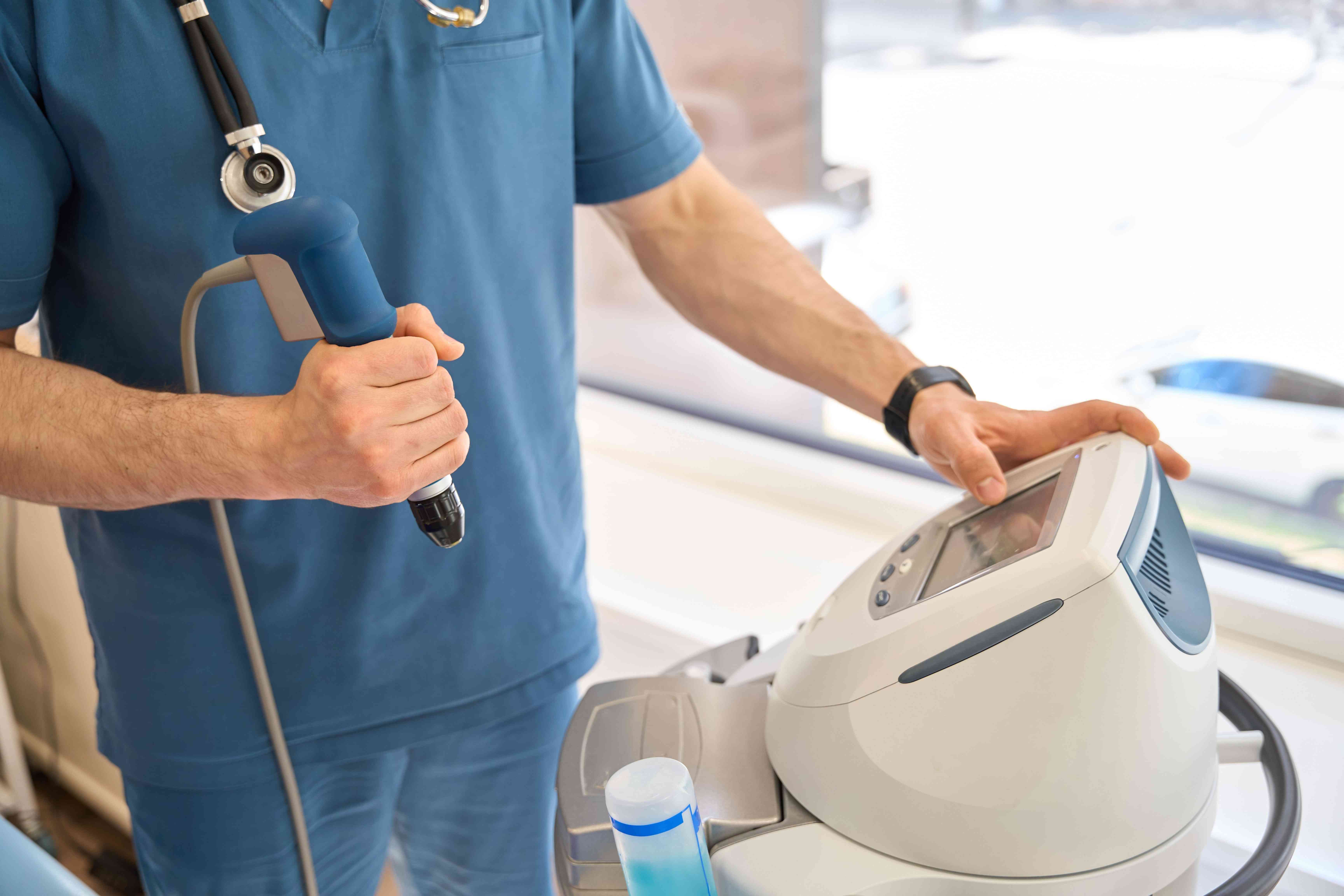
The therapy delivers low-energy sound waves through a handheld device. These waves trigger biological responses that encourage the growth of new blood vessels, improve circulation, and support tissue regeneration.
Unlike surgery or injections, the treatment is performed in an outpatient setting and usually requires no anesthesia.
Why Blood Flow Matters for Erections
A healthy erection depends on adequate blood flow to the penis. During sexual stimulation, blood vessels widen and allow blood to fill the erectile tissue. If the blood vessels become narrowed or damaged, less blood reaches the penis, making it difficult to achieve or maintain an erection.
Conditions that reduce blood flow include:
Atherosclerosis (hardening of the arteries)
Diabetes
High cholesterol
Hypertension
Smoking
Cardiovascular disease
Aging
Shockwave therapy is designed to improve this blood circulation, making it especially beneficial for men with vasculogenic erectile dysfunction, where poor blood vessel function is the primary cause.
How Shockwave Therapy Works
Low-intensity acoustic waves are applied to multiple areas of the penis during treatment. These waves create controlled mechanical stimulation within the tissues without causing significant damage.
The body responds by activating several natural healing mechanisms.
Formation of New Blood Vessels
One of the most important effects of shockwave therapy is angiogenesis, the development of new blood vessels. As new vessels form, blood circulation improves, allowing more oxygen and nutrients to reach erectile tissues.
Improved Endothelial Function
The endothelium is the inner lining of blood vessels. Healthy endothelial cells help regulate blood flow. Shockwave therapy may improve endothelial function, supporting stronger and more consistent erections.
Tissue Repair
Acoustic waves stimulate cellular activity and growth factors involved in tissue repair. This helps rejuvenate areas affected by poor circulation.
Increased Blood Supply
As circulation improves, many patients notice better erection quality and increased firmness over time.
Who Can Benefit from Shockwave Therapy?
Shockwave therapy may be recommended for men who have:
Mild erectile dysfunction
Moderate erectile dysfunction
Vascular (blood flow-related) ED
Diabetes-associated vascular ED
Age-related circulation problems
Reduced response to oral ED medications
Early-stage erectile dysfunction
Many men who wish to reduce dependence on medication also explore shockwave therapy after consulting their healthcare provider.
Who May Not Be an Ideal Candidate?
The treatment may be less effective or unsuitable for men with:
Severe nerve damage following prostate surgery
Advanced neurological disorders
Untreated hormonal deficiencies
Severe penile scarring
Active infections
Certain bleeding disorders
Penile cancer
A medical evaluation is essential to determine whether shockwave therapy is appropriate.
Benefits of Shockwave Therapy for Erectile Dysfunction
Shockwave therapy offers several potential advantages over conventional treatments.
Addresses an Underlying Cause
Instead of simply producing a temporary erection, the therapy aims to improve penile blood flow and vascular health.
Completely Non-Surgical
No incisions, stitches, or surgical procedures are involved.
Drug-Free Treatment
Patients do not need to take medication immediately before sexual activity as part of the treatment itself.
Minimal Discomfort
Most men tolerate the procedure well without anesthesia.
Outpatient Procedure
Treatment is performed in a clinic, and patients usually leave immediately afterward.
No Downtime
Normal work and daily activities can typically be resumed the same day.
Potential Long-Term Improvement
Some patients experience improvements that last many months, although individual outcomes vary.
What Happens During Treatment?
Initial Assessment
The doctor reviews:
Medical history
Current medications
Lifestyle habits
Severity of erectile dysfunction
Existing medical conditions
Additional investigations may be recommended if necessary.
A clear ultrasound gel is applied to the treatment area.
The clinician places the shockwave device against different parts of the penis.
Low-intensity acoustic pulses are delivered according to a standardized treatment protocol.
A typical session lasts 15–30 minutes.
After Treatment
Most patients can immediately:
Drive home
Return to work
Walk normally
Continue daily activities
The healthcare provider will advise when sexual activity can be resumed based on the treatment plan.
Is Shockwave Therapy Painful?
Most patients report only mild sensations such as:
Gentle tapping
Slight tingling
Mild vibration
Significant pain is uncommon, and anesthesia is rarely required.
How Many Sessions Are Needed?
Treatment schedules vary depending on the clinic and individual patient.
Common protocols include:
Six sessions
Eight sessions
Twelve sessions
Sessions are often performed once or twice weekly over several weeks.
When Can Results Be Expected?
Because the therapy stimulates gradual healing, results are not immediate.
Some men notice improvements within a few weeks, while others require more time. Full benefits often continue to develop for several months after completing treatment as tissue repair and new blood vessel formation progress.
Expected Benefits
Patients who respond well may notice:
Improved erection firmness
Better erection duration
Increased spontaneous erections
Greater sexual confidence
Improved intimacy and relationship satisfaction
The degree of improvement depends on the cause and severity of erectile dysfunction, age, and overall health.
Clinical Evidence
Clinical studies indicate that low-intensity shockwave therapy can improve erectile function in many men with mild to moderate vasculogenic ED. However, treatment protocols differ between studies, and researchers continue to investigate the most effective treatment schedules, patient selection, and long-term outcomes.
Possible Side Effects
Shockwave therapy is generally considered safe when performed by trained healthcare professionals.
Temporary side effects may include:
Mild skin redness
Slight tenderness
Temporary swelling
Tingling sensation
Serious complications are uncommon.
Recovery After Treatment
Recovery is minimal.
Most patients resume:
Office work
Exercise
Driving
Walking
Daily activities
Follow your clinician's guidance regarding sexual activity and follow-up appointments.
Tips to Maximize Treatment Results
Healthy lifestyle habits can support better outcomes:
Stop smoking
Exercise regularly
Maintain a healthy body weight
Control blood sugar levels
Manage blood pressure
Eat a heart-healthy diet
Sleep adequately
Limit excessive alcohol intake
Manage stress effectively
Shockwave Therapy vs Oral Medications
Shockwave Therapy
Oral ED Medications
Aims to improve vascular health
Temporarily improves erectile response
Non-invasive
Non-invasive
No medication required before intercourse as part of the treatment
Usually taken before sexual activity
May provide longer-lasting improvement in suitable patients
Effects wear off after the medication leaves the body
Shockwave Therapy vs Penile Injections
Shockwave Therapy
Penile Injections
Needle-free
Requires injections
Stimulates healing
Produces temporary erections
Minimal discomfort
May cause injection discomfort
No recovery time
Short monitoring period may be needed
Shockwave Therapy vs Surgery
Shockwave Therapy
Penile Implant Surgery
Outpatient treatment
Surgical procedure
No incisions
Requires surgery
No hospital stay
Hospital admission may be required
Suitable for selected cases
Usually reserved for severe ED when other treatments fail
Cost of Shockwave Therapy
Treatment costs vary based on:
Geographic location
Clinic reputation
Type of shockwave device
Number of sessions
Healthcare provider's experience
Most clinics charge for a treatment package rather than a single session.
Frequently Asked Questions
Is shockwave therapy approved for erectile dysfunction?
The regulatory status depends on the country and specific device. In some regions, its use for ED is considered investigational, while certain devices may have approvals for other medical conditions. Your healthcare provider can explain the status applicable to your location.
Can the treatment permanently cure erectile dysfunction?
There is no guaranteed permanent cure. Some men experience long-lasting improvements, while others may require maintenance treatments or additional therapies.
Is it safe?
When performed by trained professionals using appropriate equipment, shockwave therapy has a favorable safety profile with few reported side effects.
Can diabetic patients benefit?
Some men with diabetes-related vascular ED may benefit, although outcomes may be less predictable than in men without diabetes.
Does shockwave therapy enlarge the penis?
No. The treatment is intended to improve erectile function and blood flow, not increase penile size.
Can I continue taking ED medication?
Many patients continue prescribed medications during treatment unless their healthcare provider advises otherwise. Some men who respond well may eventually rely less on medication.
How long does each session take?
Most sessions are completed within 15 to 30 minutes.
Conclusion
Shockwave Therapy for Erectile Dysfunction represents an important advancement in the treatment of male sexual health. By improving blood circulation, encouraging new blood vessel formation, and supporting natural tissue repair, it offers a promising option for men with mild to moderate vasculogenic erectile dysfunction.
While the treatment is not suitable for every cause of ED and cannot guarantee permanent results, many appropriately selected patients experience meaningful improvements in erection quality and sexual confidence. Combining shockwave therapy with healthy lifestyle changes, proper management of underlying medical conditions, and ongoing medical care can help optimize outcomes.
If you are considering shockwave therapy, consult a qualified healthcare professional who can assess your condition, discuss the current evidence, and recommend the most appropriate treatment plan for your individual needs.



 Downloader
 Free FTP

 English
 Arabic
 Spanish
 Portuguese
 Deutsch
 Turkish
 Dutch
Dutch
 Italiano
 Russian
 Romaian
 Portuguese (Brazil)
 Greek
Greek
