


 Downloader
 Free FTP
Top Common Cat Diseases and How to Prevent Them
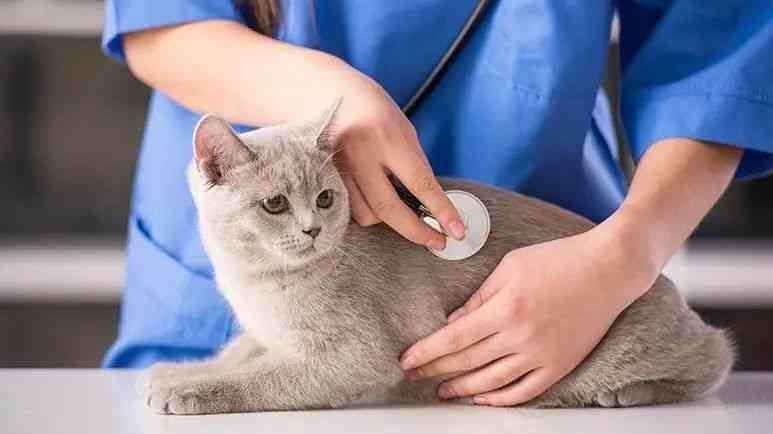
Top Common Cat Diseases and How to Prevent Them
Welcoming a feline friend into your home brings an incredible amount of joy, companionship, and endless entertainment. As pet parents in the USA, we treat our cats like family, making sure they have the best food, the cosiest beds, and plenty of toys to swat around the living room. However, being a responsible cat owner also means being prepared for the inevitable health bumps down the road. We all know that sudden trips to the vet can result in massive sticker shock. The last thing any pet owner wants to do is weigh the health of their beloved kitty against a draining bank account. That is why staying informed and proactive is your absolute best defence against outrageous medical bills.
It is no secret that common cat diseases can creep up on you when you least expect them. Cats are notorious for hiding their pain, a survival instinct passed down from their wild ancestors. By the time your furball actually shows signs of being sick, the issue might have already advanced, leading to expensive emergency care. Understanding what to look out for and how to maintain their health proactively will not only save you big bucks but will also ensure your pet lives a long, comfortable life. The key is catching things early and focusing on routine wellness before minor issues become major financial burdens.
Recognizing Early Warning Signs and Cat Illness Symptoms
The first step in saving money and protecting your pet is becoming an expert on your own cat. Since they cannot simply tell us when they are feeling under the weather, we have to rely on close observation. Knowing the most frequent cat illness symptoms can be the difference between a cheap routine checkup and a thousand-dollar emergency surgery. You should always be on the lookout for subtle changes in their daily routine. If your usually ravenous eater suddenly turns their nose up at their favourite kibble, or if your highly active kitten is suddenly spending all day hiding under the bed, these are massive red flags.
Other vital signs to watch include changes in their litter box habits. If you notice your cat visiting the box more frequently, crying while trying to go, or having accidents outside the box, you need to pay attention immediately. Excessive grooming, sudden weight loss, lethargy, and changes in vocalisation are also major indicators that something is wrong. By catching these cat illness symptoms early, you can schedule a standard veterinary appointment during normal business hours. Avoiding the after-hours emergency vet clinic is one of the smartest ways to keep your finances in check while still providing top-tier care for your furry companion.
Feline Lower Urinary Tract Disease and Budget-Friendly Management
One of the most frequent reasons cats end up at the vet is due to feline lower urinary tract disease. This is a blanket term that covers a variety of issues affecting a cat's bladder and urethra. It is incredibly common, especially in indoor cats who might not get enough exercise or hydration. The symptoms usually include straining to urinate, blood in the urine, or crying out in the litter box. For male cats, a urinary blockage can become life-threatening within a matter of hours, leading to panic and astronomical emergency bills if not addressed the second you notice the signs.
Treating these feline health problems does not always have to drain your savings if you focus on prevention. The absolute best way to prevent urinary issues is by increasing your cat's water intake. Cats naturally have a low thirst drive, so feeding them a strictly dry food diet can lead to chronic dehydration. Switching to a high-quality wet food, or even just adding a splash of water or low-sodium chicken broth to their dry kibble, can flush out their urinary tract and prevent crystal formation. Investing a few extra dollars a month in proper hydration and stress-reducing toys can save you thousands in emergency unblocking procedures down the line.
Upper Respiratory Infections and Avoiding the Vet ER
Just like humans, cats can catch nasty colds, which are clinically known as 'upper respiratory infections'. These are highly contagious viral or bacterial infections that sweep through multi-cat households and animal shelters with intense speed. If your cat starts sneezing uncontrollably, has a runny nose, exhibits eye discharge, or develops a fever, they are likely battling an upper respiratory issue. While most healthy adult cats can fight off a mild cold with some rest and hydration, kittens, seniors, and immunocompromised cats can rapidly develop severe complications like pneumonia.
To keep your wallet safe and your cat breathing easy, focus on maintaining a low-stress environment and keeping their immune system strong. Ensure your cat is up to date on their core vaccines, which often include protection against the most severe upper respiratory viruses. If your kitty does catch a sniffle, keep their eyes and nose clean with a warm, damp cloth, and run a humidifier near their bed to help loosen up their congestion. However, if they stop eating or drinking, you need to consult your vet. Catching a respiratory drop-off early means a simple round of affordable antibiotics rather than an extended stay in an oxygen cage.
Chronic Kidney Disease and Navigating Common Cat Diseases
As our cats age into their golden years, their bodies begin to slow down, and their organs undergo natural wear and tear. When we look at the broad spectrum of common cat diseases, chronic kidney issues often take centre stage for senior felines. The kidneys are responsible for filtering waste from the blood, and when they begin to fail, toxins build up in the cat's system. Symptoms include excessive thirst, massive increases in urination, sudden weight loss, and frequent vomiting. Because kidney tissue cannot regenerate, the damage is usually permanent by the time symptoms become obvious to the pet parent.
While a chronic kidney diagnosis sounds incredibly scary and expensive, early detection allows for highly effective, budget-friendly management. Regular senior bloodwork panels at your annual vet visit can catch declining kidney function long before your cat acts sick. Once diagnosed early, you can switch your feline to a prescription renal diet that takes the stress off their kidneys. You might also learn how to administer subcutaneous fluids at home. Buying bags of saline and needles directly from a pharmacy or your vet to do it yourself at home costs pennies on the dollar compared to paying a vet tech to do it every week. It empowers you to take control of your health condition while safeguarding your finances.
Managing Feline Diabetes Without Breaking the Bank
Feline diabetes is on the rise in the United States, largely mirroring the obesity epidemic we see in humans. When a cat consumes too many carbohydrates and lives a sedentary indoor lifestyle, their body can lose the ability to produce or utilise insulin properly. This leads to dangerously high blood sugar levels. You might notice your cat drinking bowls of water in a single sitting, flooding the litter box, and losing weight despite having a ravenous appetite. If left untreated, feline diabetes can lead to severe nerve damage in the hind legs and a fatal condition called ketoacidosis.
Treating diabetic cat health conditions requires commitment, but it does not have to ruin your credit score. The biggest secret to managing and sometimes even reversing feline diabetes is a massive diet overhaul. Switching a diabetic cat from high-carb dry kibble to a high-protein, low-carbohydrate wet food diet can drastically reduce their need for expensive insulin. Many owners find that with strict portion control, weight loss, and the right canned food, their cats go into complete diabetic remission. If insulin is required, shopping around at local human pharmacies using discount cards can slash the price of pet insulin and syringes, keeping your monthly care costs entirely manageable.
The Hidden Costs of Dental Disease in Felines
One of the most overlooked common feline diseases is dental disease. A shocking majority of cats over the age of three have some form of periodontal disease, which involves inflammation and infection of the gums and the structures supporting the teeth. It starts with tartar buildup and bad breath but can quickly escalate into painful tooth resorption, severe infections, and difficulty eating. Because cats hide their pain so well, they will often continue to chew their kibble even while suffering from agonising toothaches. Eventually, the bacteria in their mouth can enter the bloodstream and cause irreversible damage to the heart and kidneys.
Veterinary dental cleanings that require general anaesthesia can be incredibly expensive, often costing upwards of several hundred to a thousand dollars. The best way to avoid these massive bills is through diligent at-home care. Brushing your cat's teeth with pet-safe toothpaste is the gold standard for preventing tartar buildup. If your cat absolutely refuses the toothbrush, you can invest in dental water additives, high-quality dental chews, and plaque-reducing powders that sprinkle directly onto their food. These small, low-cost daily habits will keep their teeth shining, their breath fresh, and your wallet completely intact.
Protecting Your Furball from Fleas, Ticks, and Parasites
Even if your cat never steps a single paw outside your front door, they are still at risk for parasites. Fleas, ticks, and intestinal worms can easily hitch a ride into your home on your shoes, your clothing, or your dog. A severe flea infestation does not just cause itchy skin; it can lead to flea allergy dermatitis, severe anaemia in kittens, and the transmission of tapeworms. Heartworms, transmitted by a single mosquito bite, are another fatal threat to indoor and outdoor cats alike. Treating a home infestation or an established parasite infection is a frustrating, time-consuming, and highly expensive ordeal.
The most cost-effective strategy here is staying ahead of the bugs. Utilising monthly topical or oral preventatives is a small price to pay for total peace of mind. Instead of buying cheap, often ineffective over-the-counter flea collars that can sometimes cause chemical burns, speak with your vet about safe, prescription-grade preventatives. Buying a six-month supply often comes with instant rebates and discounts. By investing a few bucks a month into parasite control, you avoid the massive expenses of exterminators, tapeworm medications, and emergency vet visits for severe allergic reactions.
Smart Preventive Care for Cats with Pet Soul Care
Navigating the complex world of feline health does not mean you have to do it alone. Creating a solid foundation of wellness requires the right tools, knowledge, and products. This is where prioritising preventive care for cats truly pays off. From choosing the right nutritional supplements to finding the best grooming tools that reduce hairballs and skin irritations, your daily choices build the armour your cat needs to fight off illnesses. Regular play sessions, high-quality nutrition, and stress-free environments are the pillars of affordable pet parenting.
Partnering with a reliable brand like Pet Soul Care can make a world of difference in your daily routine. By integrating trustworthy, high-quality wellness products into your cat's life, you are taking a proactive stance against future vet bills. Whether it is enriching their environment to reduce stress-induced urinary issues or utilising top-tier grooming supplies to monitor their skin health, Pet Soul Care understands the deep bond you share with your pet. They provide the resources and products necessary to keep your kitty thriving without forcing you to empty your bank account.
Conclusion on Affordable Feline Wellness
At the end of the day, keeping your cat healthy and happy is all about paying attention and taking action before a minor quirk becomes a major medical emergency. By educating yourself on the symptoms of upper respiratory infections, urinary tract blockages, diabetes, kidney issues, and dental decay, you become your cat's ultimate advocate. The veterinary landscape in the USA can be pricey, but informed pet parents know that the true secret to saving money lies in a proactive, daily wellness routine.
Do not wait for disaster to strike before you start thinking about your cat's long-term health. Implement dietary changes, encourage proper hydration, maintain a stress-free home, and never skip out on basic parasite prevention. Lean on trusted brands and resources to guide your choices, and always listen to your gut if you feel your feline friend is acting out of character. By investing time and a little bit of money into their daily care today, you guarantee a longer, healthier, and far more joyful life for your cat, all while keeping your hard-earned dollars exactly where they belong.

 English
 Arabic
 French
 Spanish
 Portuguese
 Deutsch
 Turkish
 Dutch
Dutch
 Italiano
 Russian
 Romaian
 Portuguese (Brazil)
