


 Downloader
 Free FTP
Promote Your Product
Got a product, service, or story to share? Promote it directly to our active community and boost your brand today.
Create an Ad
Publish Bulk Blog Posts
Boost Your Reach! 📝
Have articles, guest posts, or bulk stories to publish? Send your content directly to our editorial team and feature on our platform.
Email Us Your PostsA Beginner's Guide to Cotton Fabric for Clothing Production
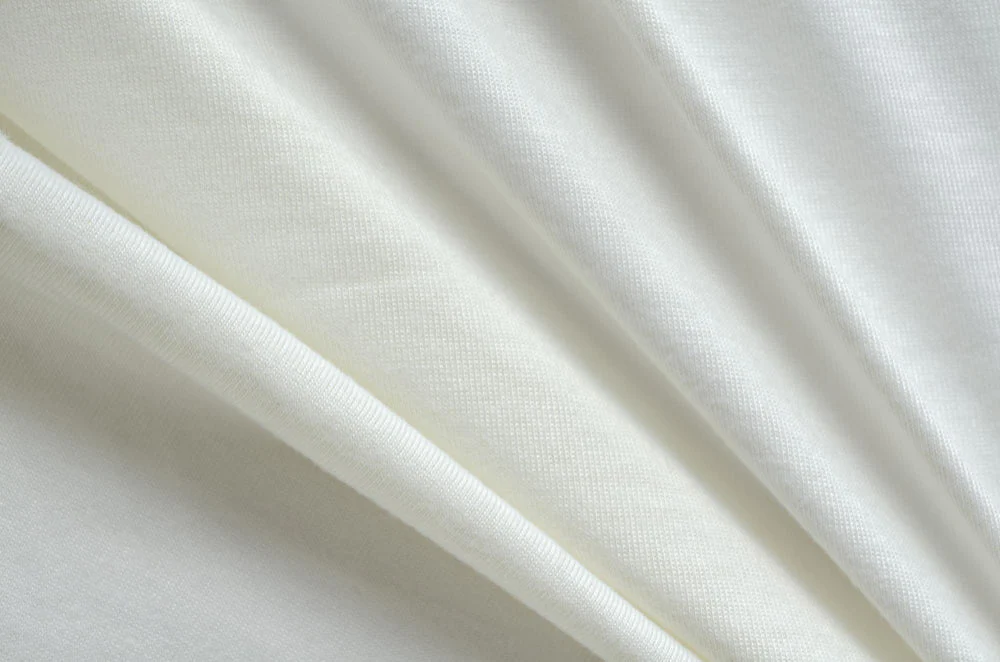
Cotton is the world's most widely used natural fiber—and for good reason. Soft, breathable, and incredibly versatile, cotton fabric forms the backbone of the global apparel industry. This guide covers everything you need to know about cotton fabric: its history, types, properties, and how to care for it. Whether you're a fashion brand sourcing cotton fabric wholesale or a small designer looking to buy fabric online, understanding cotton is the first step to making smarter decisions.
Why Has Cotton Dominated Clothing Production for Centuries?
Cotton's popularity isn't a coincidence. It grows naturally, processes well, and feels comfortable against the skin. According to the Food and Agriculture Organization (FAO), cotton accounts for roughly 25% of global fiber use in textiles—making it the single most produced natural fiber in the world.
From t-shirts to tailored trousers, cotton fabric works across categories, climates, and price points. That's what makes it the go-to choice for both mass-market and premium clothing production.
A Brief History of Cotton Fabric
Cotton has been cultivated for over 7,000 years. Archaeological evidence shows cotton use in the Indus Valley (modern-day Pakistan and India) as far back as 5,000 BCE. Ancient civilizations in Egypt, China, and Mesoamerica also grew and wove cotton independently.
The Industrial Revolution in the 18th century transformed cotton production at scale. Mechanized spinning and weaving made cotton fabric accessible globally—shifting it from a luxury commodity to an everyday essential.
Today, cotton remains central to clothing production worldwide, with major growing regions in China, India, the United States, and Brazil.
Types of Cotton Fabric: Which One Is Right for You?
Not all cotton is the same. Here are the three most common types used in clothing production:
Upland Cotton
Upland cotton accounts for roughly 90% of global cotton production. It's the most affordable and widely available type. Clothing manufacturers use it for everyday items like t-shirts, jeans, and casual wear.
Pima Cotton
Pima cotton has longer, finer fibers than Upland cotton. This results in a smoother, softer fabric with better durability. Brands often use Pima cotton for premium casualwear and activewear.
Egyptian Cotton
Egyptian cotton is widely regarded as the finest cotton available. Grown along the Nile River, it produces extra-long staple fibers that create exceptionally soft and strong fabric. It's commonly used in high-end apparel and luxury bedding.
If you're sourcing cotton fabric wholesale for a specific product category, matching the cotton type to your end use will directly impact quality and customer satisfaction.
Key Properties of Cotton Fabric
Cotton's dominance in clothing production comes down to a handful of core properties:
- Softness: Cotton fibers are naturally soft, making garments comfortable to wear directly on the skin.
- Breathability: Cotton allows air to circulate, which helps regulate body temperature—particularly in warm climates.
- Absorbency: Cotton can absorb up to 27 times its own weight in water, making it ideal for activewear and summer clothing.
- Durability: High-quality cotton fabric holds up well through repeated washing and regular wear.
- Hypoallergenic: Cotton is less likely to irritate sensitive skin, which makes it a preferred choice for children's clothing and medical textiles.
Cotton in Clothing Production: Advantages and Disadvantages
Advantages
- Easy to work with: Cotton cuts, sews, and finishes cleanly, reducing production time.
- Widely available: You can buy fabric online or through wholesale suppliers in a wide range of weights, weaves, and finishes.
- Dyeable: Cotton accepts dye well, giving manufacturers flexibility in color production.
- Consumer-friendly: Buyers are familiar with cotton and associate it with comfort and quality.
Disadvantages
- Shrinkage: Cotton can shrink significantly if washed in hot water or dried at high heat.
- Wrinkling: Cotton creases easily, which can affect the finished look of certain garments.
- Moisture retention: While absorbency is often a benefit, cotton holds moisture longer than synthetic fabrics—making it less ideal for high-intensity athletic wear.
Understanding these trade-offs helps brands select the right fabric construction for each product.
Sustainable Cotton: What You Need to Know
Sustainability has become a key factor in fabric sourcing decisions. Conventional cotton production uses significant amounts of water and pesticides. Sustainable alternatives address these concerns:
- Organic Cotton: Grown without synthetic pesticides or fertilizers. Certified by organizations like the Global Organic Textile Standard (GOTS).
- Recycled Cotton: Made from post-industrial or post-consumer cotton waste, reducing the need for new raw material.
- Fair Trade Cotton: Ensures farmers receive fair wages and work in safe conditions.
Brands sourcing cotton fabric with sustainability credentials can better meet growing consumer demand for responsible production.
Fabriclore Pvt Ltd, one of India's leading fabric suppliers with both local and online operations, offers a range of cotton options including sustainable and customized fabrics for fashion businesses globally. Trusted by 400+ private labels, Fabriclore provides cotton fabric wholesale at competitive prices with low minimum order quantities (MOQ)—making them a strong choice for brands looking to buy fabric online without compromising on quality.
How to Care for Cotton Garments
Proper care extends the life of cotton clothing and reduces returns for product brands.
- Washing: Machine wash in cold or warm water (not hot) to minimize shrinkage. Use a gentle cycle for delicate cotton items.
- Drying: Air drying is the safest option. If using a dryer, use a low heat setting.
- Ironing: Cotton responds well to ironing. Use a medium-to-high heat setting with steam to remove wrinkles effectively.
- Storage: Store cotton garments in a cool, dry place. Avoid prolonged exposure to direct sunlight, which can cause fading.
Sharing care instructions clearly on product labels reduces customer complaints and improves garment longevity.
The Enduring Appeal of Cotton in Fashion
Cotton has outlasted countless synthetic alternatives because it delivers where it counts: comfort, performance, and versatility. For clothing manufacturers, fashion brands, and designers, cotton fabric remains one of the most reliable materials available.
As sourcing becomes easier—with platforms allowing you to buy fabric online and suppliers like Fabriclore Pvt Ltd offering customized cotton fabric wholesale solutions—accessing quality cotton has never been more straightforward.
Start with the right fabric, and the rest of your production process becomes significantly easier.
Frequently Asked Questions
What is cotton fabric used for in clothing production?
Cotton fabric is used across a wide range of garments, including t-shirts, jeans, dresses, activewear, and undergarments. Its softness, breathability, and durability make it one of the most versatile materials in apparel manufacturing.
What is the difference between Upland, Pima, and Egyptian cotton?
Upland cotton is the most common and affordable type. Pima cotton has longer fibers and is softer and more durable. Egyptian cotton is the finest grade, with extra-long staple fibers that produce the softest, strongest fabric—typically used in premium products.
Where can I buy cotton fabric online for clothing production?
You can buy cotton fabric online through fabric marketplaces and wholesale suppliers. Fabriclore Pvt Ltd is one option that offers customized cotton fabric wholesale with low MOQ, catering to both local and international fashion brands.
Is organic cotton better than regular cotton for clothing?
Organic cotton is grown without synthetic chemicals, making it better for the environment and for consumers with sensitive skin. For brands targeting sustainability-conscious buyers, organic cotton is worth the additional cost.
How do I prevent cotton fabric from shrinking?
Wash cotton in cold or warm water and avoid high-heat drying. Pre-shrinking fabric before cutting and sewing is also a common practice in clothing production to prevent shrinkage in the final garment.

 English
 Arabic
 French
 Spanish
 Portuguese
 Deutsch
 Turkish
 Dutch
Dutch
 Italiano
 Russian
 Romaian
 Greek
Greek
