


 Downloader
 Free FTP
Promote Your Product
Got a product, service, or story to share? Promote it directly to our active community and boost your brand today.
Create an Ad
Publish Bulk Blog Posts
Boost Your Reach! 📝
Have articles, guest posts, or bulk stories to publish? Send your content directly to our editorial team and feature on our platform.
Email Us Your PostsPoppy Pods: Complete Guide to Dried, Decorative & Floral Varieties
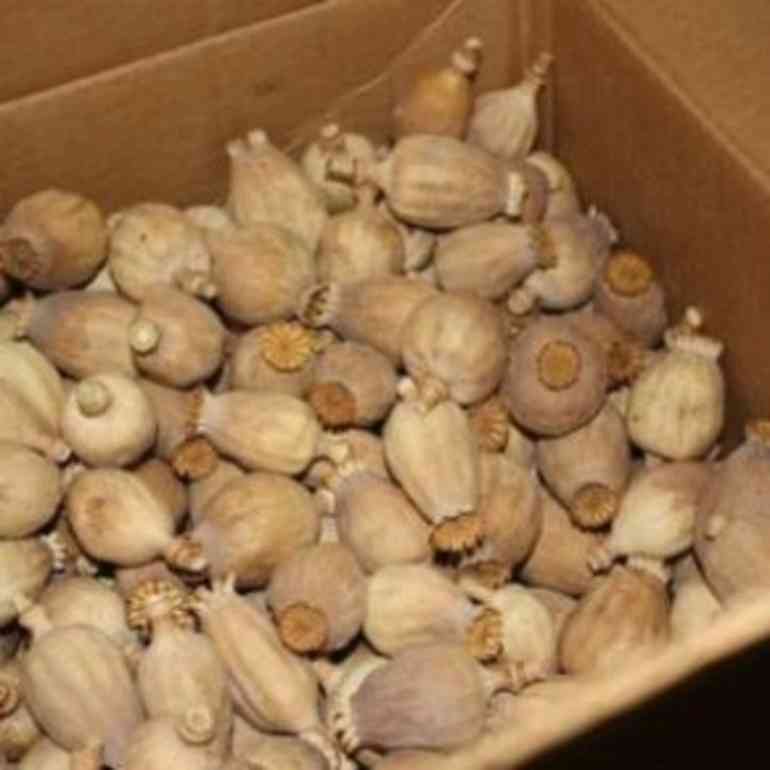
Poppy Pods: The Complete Guide to Decorative, Floral & Dried Varieties
Poppy pods are one of nature's most striking botanical treasures, and once you spot their sculptural beauty, you'll understand why florists, crafters, and gardeners adore them! This guide walks you through everything you need to know: what poppy pods are, the different varieties, how to use them, growing and harvesting tips, where to buy them, and what's trending right now. Whether you're decorating your home or planning a garden, you'll leave knowing exactly how to bring these gorgeous pods into your world.
What Are Poppy Pods?
Poppy pods are the seed capsules left behind after a poppy flower blooms and its petals fall away. Once the bloom fades, a rounded, urn-shaped pod swells at the top of the stem. Inside, tiny seeds develop, and the pod's distinctive crown-like top forms a natural star pattern.
These pods come from various species in the Papaver genus. Their smooth, sculptural shape and muted blue-green or tan coloring make them instantly recognizable. When dried, they harden into long-lasting decorative objects that hold their form for years.
Quick takeaway: A poppy pod is simply the mature seed head of a poppy plant—prized for its unique architectural look.
Types and Varieties of Poppy Pods
Not all poppy pods look alike! Here are the most popular varieties you'll encounter.
Giant Poppy Pods
These oversized pods, often from Papaver somniferum varieties, can grow larger than a golf ball. Their dramatic size makes them showstoppers in tall vases and statement arrangements.
Standard Dried Poppy Pods
The classic choice for crafters. Medium-sized, round, and naturally dried, these are the pods most often sold in bunches for décor and DIY projects.
Decorative & Painted Poppy Pods
Some suppliers spray-paint or gild pods in metallic gold, silver, or bold colors. These work beautifully in holiday wreaths and modern centerpieces.
Ornamental Garden Varieties
Breadseed poppies, Iceland poppies, and oriental poppies all produce attractive pods. Each offers slightly different shapes, from slender capsules to plump, rounded heads.
So what? Match the variety to your project—giant pods for bold statements, standard pods for crafts, and ornamental types for garden interest.
Uses for Poppy Pods
Poppy pods are wonderfully versatile, which is exactly why people keep buying them. Here are the most popular ways to use them.
Decorative & Home Décor
Dried poppy pods add organic texture to shelves, mantels, and tabletops. Group them in a clear glass jar, or scatter a few among books and candles for an effortless, earthy look.
Floral Arrangements
Florists love poppy pods for adding height and structure to bouquets. They pair beautifully with dried grasses, eucalyptus, and pampas for that on-trend, natural aesthetic.
Craft Projects
From wreaths to wall hangings, poppy pods bring dimension to handmade creations. You can leave them natural, paint them, or dust them with glitter for festive flair.
Culinary Uses
The seeds inside breadseed poppy pods are the same poppy seeds used in baking! Many home cooks harvest seeds from their own pods for muffins, breads, and bagels.
Important note: Always source culinary seeds from reputable food-grade suppliers and confirm the species is intended for consumption.
Quick takeaway: Decorative, floral, craft, or culinary—poppy pods adapt to nearly any creative project.
How to Grow and Harvest Poppy Pods
Want to grow your own? Good news—poppies are surprisingly easy, and watching those pods form is genuinely exciting!
Step 1: Plant Your Seeds
Sow poppy seeds directly in the garden in early spring or late fall. Poppies dislike being transplanted, so scatter seeds where you want them to grow. Choose a sunny spot with well-draining soil.
Step 2: Care for Your Plants
Water lightly and consistently while seedlings establish. Once mature, poppies are fairly drought-tolerant. Avoid overwatering, which can cause the pods to rot.
Step 3: Let the Flowers Fade
After the colorful petals drop, the pods begin to swell. Resist the urge to deadhead if your goal is harvesting pods! Let them mature naturally on the stem.
Step 4: Harvest at the Right Time
Wait until the pods turn from green to a tan or brown color and feel dry to the touch. You'll often hear seeds rattle inside. Snip the stems with sharp scissors.
Step 5: Dry and Store
Hang harvested pods upside down in a cool, dry, well-ventilated space for a week or two. Once fully dried, store them in a breathable container away from moisture.
So what? With a sunny spot and a little patience, you can grow a steady supply of beautiful pods for free.
Where to Buy Poppy Pods
If growing isn't your thing, plenty of sellers offer ready-to-use pods. Here's where to look.
- Online marketplaces — Etsy and specialty floral shops offer dried pods in bulk and curated bundles.
- Craft and hobby stores — Many carry seasonal dried botanicals, especially in fall.
- Farmers markets and florists — Local sources often have fresh-dried options.
- Garden seed suppliers — Perfect if you'd rather grow them yourself.
Buying tip: When you buy poppy pods online, check the listed size, quantity, and whether they're natural or treated. Read reviews to confirm quality and consistent sizing before ordering in bulk.
Market and Trend Insights
The demand for dried and natural botanicals has surged alongside the broader interest in sustainable, low-maintenance décor. Poppy pods fit perfectly into this movement.
Several trends are driving interest:
- Dried floral arrangements continue to dominate wedding and event styling.
- Neutral, organic interiors rely on natural textures like pods, grasses, and seed heads.
- DIY and craft culture keeps demand strong for affordable, versatile materials.
- Seasonal décor spikes pod sales heading into autumn and the holidays.
Quick takeaway: Poppy pods sit at the intersection of sustainability, craft, and design trends—making them a reliably popular choice year-round.
Conclusion
Poppy pods are far more than leftover seed heads—they're versatile, beautiful, and endlessly useful for décor, crafts, floral design, and even the kitchen. Now that you know the varieties, uses, growing steps, and where to buy them, you're ready to bring these stunning pods into your next project. Start small: pick up a bundle or scatter a few seeds, and discover just how much charm one little pod can add!
Frequently Asked Questions
What are poppy pods used for?
Poppy pods are used for decorative displays, dried floral arrangements, craft projects like wreaths, and culinary purposes. The seeds inside breadseed varieties are the same poppy seeds used in baking breads, muffins, and bagels.
What are poppy pods?
Poppy pods are the rounded seed capsules that form on a poppy plant after the flower blooms and its petals fall. They contain tiny seeds and feature a distinctive crown-shaped top.
Are dried poppy pods legal to buy?
Dried poppy pods are widely sold for decorative and craft purposes through florists, craft stores, and online marketplaces. Regulations vary by location and intended use, so check your local laws and buy from reputable suppliers.
How do you dry poppy pods?
Harvest pods once they turn tan or brown and feel dry, then hang them upside down in a cool, well-ventilated space for one to two weeks. Store fully dried pods in a breathable container away from moisture.
How do you grow poppy pods?
Sow poppy seeds directly in a sunny, well-draining spot in early spring or fall. Let the flowers bloom and fade naturally, then allow the pods to swell and mature on the stem before harvesting.
Where can I buy poppy pods?
You can buy poppy pods from online marketplaces like Etsy, craft and hobby stores, local florists, farmers markets, and garden seed suppliers. Check size, quantity, and whether pods are natural or treated before purchasing.
What is the difference between poppy pods and poppy seed pods?
The terms are often used interchangeably. Both refer to the seed capsule of a poppy plant—"poppy seed pods" simply emphasizes the seeds developing inside the pod.
How long do dried poppy pods last?
Properly dried and stored poppy pods can last for several years. Keep them in a dry environment away from humidity to preserve their shape and color.
What are the best poppy pods for floral arrangements?
Giant poppy pods and standard dried pods are popular for arrangements because of their sculptural shape and sturdy stems. They pair well with dried grasses, eucalyptus, and pampas grass.
Can you eat the seeds from poppy pods?
Seeds from food-grade breadseed poppy varieties are commonly used in cooking and baking. Always source culinary seeds from reputable food suppliers and confirm the species is intended for consumption.

 Arabic
 French
 Spanish
 Portuguese
 Deutsch
 Turkish
 Dutch
Dutch
 Italiano
 Russian
 Romaian
 Portuguese (Brazil)
 Greek
Greek
