


 Downloader
 Free FTP
Promote Your Product
Got a product, service, or story to share? Promote it directly to our active community and boost your brand today.
Create an Ad
Publish Bulk Blog Posts
Boost Your Reach! 📝
Have articles, guest posts, or bulk stories to publish? Send your content directly to our editorial team and feature on our platform.
Email Us Your PostsGoat Milk Soap for Sensitive Skin: Does It Work?
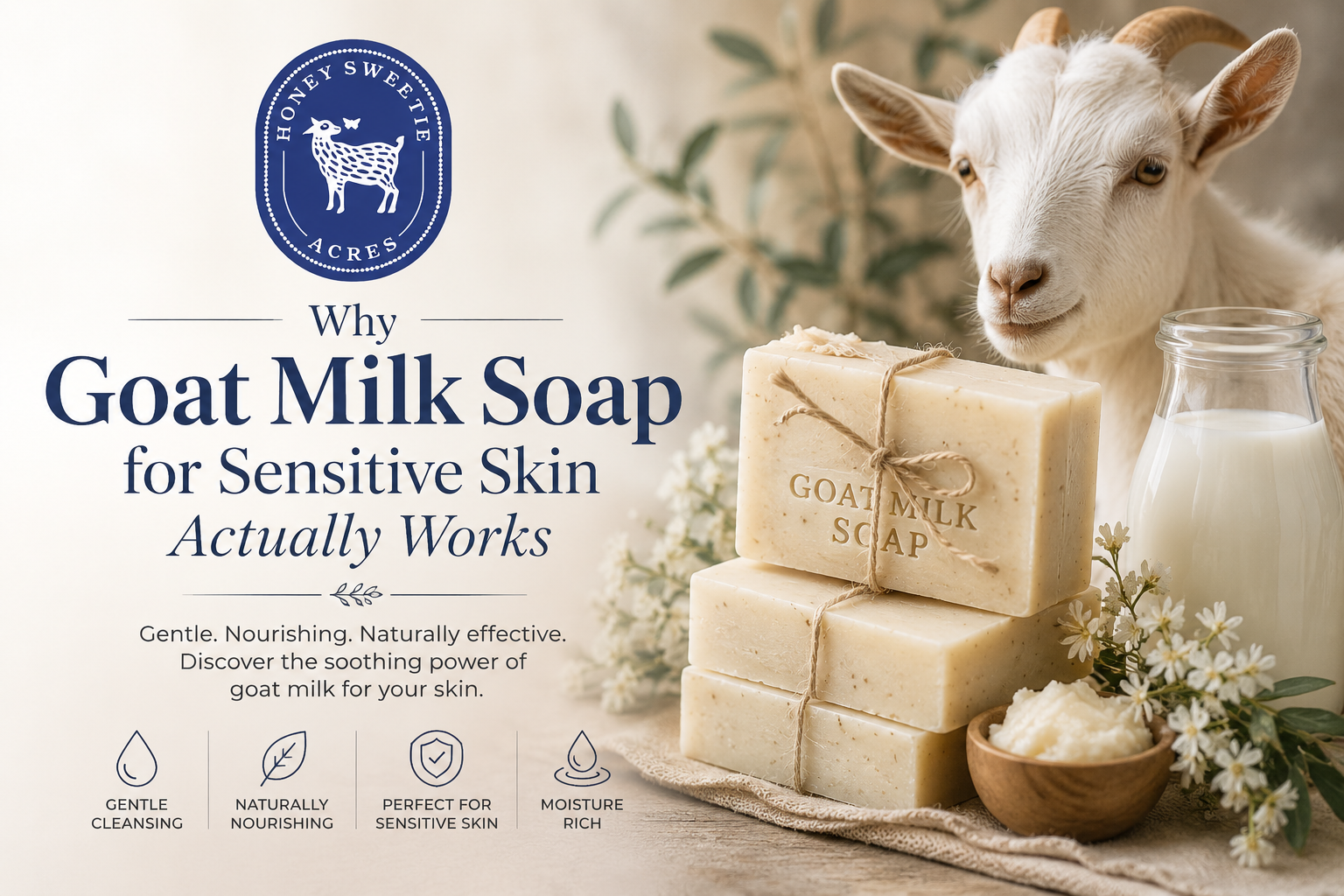
Why Goat Milk Soap for Sensitive Skin Actually Works
Okay so I've been in skincare long enough to know that most people with sensitive skin have tried everything. The fragrance-free stuff. The "dermatologist recommended" stuff. The expensive stuff. And somehow the skin is still dry, still flaky, still throwing a fit after every shower.
Sound familiar?
I started paying attention to goat milk soap for sensitive skin maybe six or seven years ago — mostly because customers kept mentioning it. Not because of marketing. Because it was actually doing something.
Here's What Nobody Really Explains About Soap and Sensitive Skin
Most bar soaps sit at a pretty high pH. Your skin likes to hang out around 4.5 to 5.5 — slightly acidic. When you wash with something that's way more alkaline than that, your skin barrier takes a hit. Not dramatically, not all at once — just a little every day. And over time you're left wondering why your skin feels worse in winter, or why it itches even though you're drinking water and using lotion.
The soap is doing it. Or at least contributing.
Goat milk is naturally closer to skin's pH than most conventional cleansers. That alone is a reason it tends to be easier on reactive skin. But there's also the lactic acid — goat milk has it naturally — and lactic acid is a gentle exfoliant. Not the kind that stings or peels. The kind where after a couple weeks you just notice your skin feels smoother and you're not sure why.
Oh and the fat content in goat milk actually deposits moisture while you're washing. Not a lot. But enough that you don't step out of the shower feeling like sandpaper.
Winter Made Me a Believer
I remember one customer — she had eczema patches on her arms that flared every single winter without fail. She'd tried steroid creams, thick lotions, humidifiers, all of it. Someone suggested she try switching her soap and she was skeptical. Honestly, so was I a little.
But she came back about three weeks later and said the patches hadn't disappeared but they were noticeably calmer. Less angry. She wasn't itching as much after showering.
Was it only the soap? Probably not. But it was part of it.
That kind of thing sticks with you. And I've seen versions of that story more times than I can count since then.
What to Actually Pay Attention to on the Label
Because not all natural goat milk soap is created equal. Some bars have goat milk so far down the ingredient list it's basically a cameo.
A few things I actually look at:
- Goat milk showing up in the first three or four ingredients — otherwise you're mostly paying for filler
- No "fragrance" or "parfum" listed — even in natural-looking products, synthetic fragrance is one of the most common irritants for sensitive skin
- Oils you recognize — olive oil, coconut oil, shea butter, things like that
- Short ingredient list — the shorter, usually the better
Some of the best goat milk soap options I've come across also add shea butter into the bar itself. That combo — goat milk plus shea — works really well for skin that's chronically dry or just slow to recover from irritation.
Handmade goat milk soap from smaller producers tends to keep more of the good stuff intact too. Commercial processing can strip a lot of the natural glycerin out — which ironically is the part that helps your skin hold moisture.
The African Soap Question
Some people ask about using african soap with shea butter alongside goat milk soap. Totally reasonable combo. African black soap is great for oily or congested skin — it does a more thorough cleanse. But it can be drying if your skin leans dry or sensitive. The shea butter version is gentler than raw African black soap, and some people use it for the body while keeping a goat milk bar for the face or more delicate areas.
It doesn't have to be one or the other.
Why Small-Batch Stuff Often Works Better
I'm not saying every big brand is bad. But there's a reason people who find something that works tend to find it through smaller makers.
Places like Honey Sweetie Acres — they're actually farming the goats, using the fresh milk, making the soap in smaller batches. There's less sitting in a warehouse. Less processing. You can kind of tell the difference after a while.
And Look — Soap Isn't Magic
If your skin is really struggling, soap is one piece of it. Your water hardness matters. Your diet matters. Stress does genuinely affect your skin — annoyingly. Laundry detergent matters more than people think.
But what you're washing with every single day is worth getting right. It's not a dramatic fix. It just quietly stops making things worse — and sometimes that's exactly what your skin needed.

 English
 Arabic
 French
 Spanish
 Portuguese
 Deutsch
 Turkish
 Dutch
Dutch
 Italiano
 Russian
 Portuguese (Brazil)
 Greek
Greek
