


 Downloader
 Free FTP
OBGYN Clamps Explained: A Practical Guide to Gynecological and Obstetric Surgical Instruments
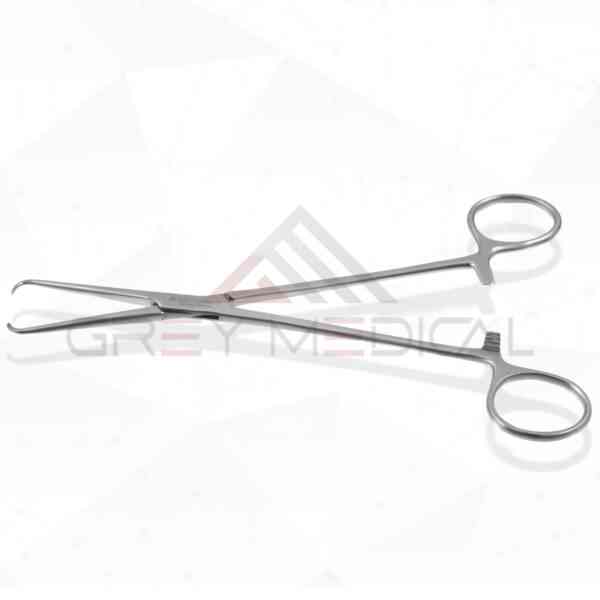
Surgical trays can look overwhelming at first. So many tools, so many shapes, and each one has a job to do. If you work in obstetrics and forceps gynecology, knowing your clamps is not optional. It is the difference between a smooth procedure and a stressful one.
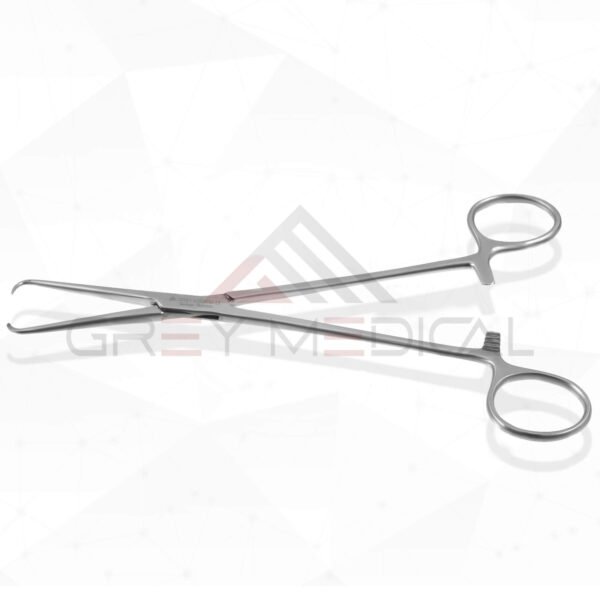
What Are OBGYN Clamps?
OBGYN clamps are specialized medical clamps used in obstetrics and gynecology. They grip, hold, compress, or control tissue and blood vessels during surgery.
Think of them as an extra set of precise, steady hands. A surgeon cannot hold tissue, stop bleeding, and operate all at once. Clamps make that possible.
These instruments show up in everything from routine deliveries to complex gynecological surgery. That is why they are core OBGYN surgical instruments in any operating room.
The Main Types of Gynecological Clamps
Different jobs need different tools. Here are the clamps you will see most often and what each one does.
Ring Forceps (Sponge Forceps)
Ring forceps have circular tips at the end, which is where the name comes from.
- They grip sponges and gauze for cleaning or absorbing fluid.
- They hold and manipulate delicate tissue without tearing it.
- They are common in cervical procedures and during cesarean sections.
The rounded design spreads pressure evenly. That means a firm hold with less trauma to the tissue.
Allis Clamps
Allis clamps have small teeth along the gripping edge. These teeth lock onto tissue so it does not slip.
- Surgeons use them to hold tissue that needs a firm grip.
- They are popular in procedures involving the vaginal wall or abdominal tissue.
The teeth give control. But the design also limits crushing, which protects the tissue you want to preserve.
Babcock Clamps
Babcock obgyn clamp are the gentle option. Their tips are smooth and curved, with no teeth.
- They handle fragile or hollow structures like the fallopian tubes.
- They hold tissue securely without damage.
When tissue is delicate, a Babcock is often the first choice. It grips without crushing.
Hemostatic Clamps
Hemostatic clamps control bleeding. The word "hemostatic" simply means stopping blood flow.
- They clamp blood vessels to reduce or halt bleeding during surgery.
- They keep the surgical field clear so the team can see and work.
Less bleeding means better visibility. Better visibility means safer surgery. That is why these medical clamps in obstetrics are so valued.
Clinical Uses in Obstetrics and Gynecology
Clamps are not just for big operations. They support a wide range of procedures.
Here is where they earn their place:
- Cesarean sections: Holding tissue layers and controlling bleeding.
- Hysterectomies: Securing vessels and gripping tissue during removal of the uterus.
- Cervical procedures: Steadying and exposing the area for accurate work.
- Tubal surgeries: Handling the fallopian tubes with care.
- Delivery support: Clamping the umbilical cord after birth.
Each task calls for the right clamp. Choosing well makes the whole procedure smoother and safer.
Materials and Design Innovations
The clamp in a surgeon's hand today is far better than the ones used decades ago. Design has come a long way.
Most OBGYN clamps are made from surgical-grade stainless steel. Here is why that matters:
- It resists rust and corrosion.
- It survives repeated sterilization without weakening.
- It stays strong and reliable through years of use.
Modern designs add even more value:
- Ergonomic handles reduce hand fatigue during long surgeries.
- Ratchet locking systems hold a set grip so the surgeon can let go.
- Lightweight builds improve control and precision.
- Titanium options offer strength with less weight for delicate work.
Better materials and smarter design lead to better outcomes. The tool fits the hand, and the hand stays steady.
Why the Right Clamp Matters
A small instrument carries a big responsibility. The wrong clamp can crush tissue, slip at the wrong moment, or fail to stop bleeding.
The right clamp does the opposite. It protects tissue, holds firmly, and supports a clean, controlled procedure.
For surgical teams, this comes down to a few clear wins:
- Patient safety through reduced tissue damage and controlled bleeding.
- Surgical precision from instruments built for a specific job.
- Efficiency because the right tool saves time and effort.
When you match the clamp to the task, you set the whole procedure up for success.
Final Thoughts
OBGYN clamps may look simple, but each one is built with purpose. Ring forceps, Allis clamps, Babcock clamps, and hemostatic clamps all play a distinct role.
Learn what each one does. Understand the design behind it. Then you can pick the right instrument with confidence.
These gynecological clamps are small tools that make a major difference. In obstetrics and gynecology, knowing them well is part of doing the job well.

 English
 Arabic
 Spanish
 Portuguese
 Deutsch
 Turkish
 Dutch
Dutch
 Italiano
 Russian
 Romaian
 Portuguese (Brazil)
 Greek
Greek
