


 Downloader
 Free FTP
Promote Your Product
Got a product, service, or story to share? Promote it directly to our active community and boost your brand today.
Create an Ad
Publish Bulk Blog Posts
Boost Your Reach! 📝
Have articles, guest posts, or bulk stories to publish? Send your content directly to our editorial team and feature on our platform.
Email Us Your PostsHow Soon Can You See Results After Male Rhinoplasty?
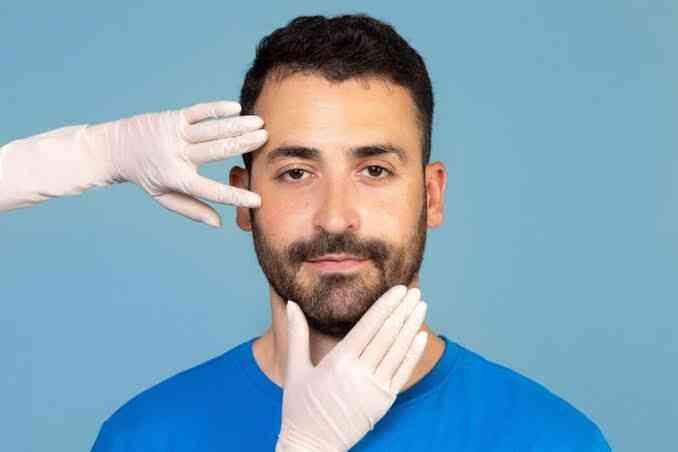
Facial appearance plays an important role in confidence, and the nose is one of the most noticeable facial features. Many men choose rhinoplasty to improve the balance of their facial profile while maintaining a masculine appearance. Male Rhinoplasty in Islamabad has become a preferred option for individuals who want to correct nasal shape, improve breathing, or repair damage caused by injury. Although the surgery provides long-lasting improvements, patients often wonder how quickly they can see the final outcome. Understanding the recovery timeline helps create realistic expectations and allows patients to appreciate the gradual transformation that occurs after surgery.Unlike many cosmetic procedures that deliver almost immediate improvements, male rhinoplasty requires patience. The nose experiences swelling after surgery, and this swelling slowly subsides over several months. While some changes become visible within a few weeks, the final appearance continues to refine over time. Every patient's healing process is unique, depending on their anatomy, skin thickness, surgical technique, and adherence to post-operative care instructions.
Why Results Take Time?
Many patients expect immediate improvements after surgery, but the healing process naturally delays the appearance of the final outcome. During rhinoplasty, the nasal bones, cartilage, and soft tissues are carefully reshaped. The body's healing response produces swelling, which temporarily hides many of the surgical refinements.The swelling acts as a protective response while tissues repair themselves. As healing progresses, inflammation gradually decreases, allowing the nose to reveal its new shape. Because the nose consists of delicate structures, this process cannot be rushed.Even when the external swelling appears to have disappeared, subtle internal healing continues for many months.
The First Week After Surgery
The first week is usually when swelling and bruising are most noticeable. Patients often wear a protective nasal splint that helps stabilize the newly shaped nose during the initial healing phase. Mild discomfort, congestion, and pressure are common but generally manageable with prescribed medications.During this stage, the nose usually appears larger than expected because of swelling. This temporary appearance should not be mistaken for the final surgical outcome. Most patients also experience bruising beneath the eyes, which gradually fades throughout the week.The splint is usually removed after about one week, allowing patients to see the first glimpse of their reshaped nose. However, the visible changes remain masked by swelling.
Two to Four Weeks After Surgery
After the first couple of weeks, bruising significantly improves, and much of the swelling begins to decrease. Most patients feel comfortable returning to work and participating in light daily activities.At this stage, the nose starts appearing more refined compared to the immediate post-operative period. Friends and family may notice positive changes without realizing surgery was performed.Although patients often become excited after seeing these improvements, it is important to remember that healing remains incomplete. Swelling is still present, particularly around the nasal tip.
One Month After Male Rhinoplasty
Approximately one month after surgery, many patients notice that a significant portion of facial swelling has resolved. The nose begins looking more natural, and the overall facial balance becomes increasingly apparent.Most individuals can resume moderate physical activities with their surgeon's approval. Photographs taken at this stage often reveal substantial improvements compared to the pre-operative appearance.However, subtle swelling still affects fine details, especially in patients with thicker skin. The nasal tip may continue appearing slightly firm or rounded.
Three Months After Surgery
Around the three-month mark, patients generally experience noticeable refinement in their nasal contours. Swelling continues to decline, allowing more definition along the bridge and tip.The nose usually feels less stiff, and normal facial expressions become more comfortable. At this point, many patients feel satisfied with their appearance because the majority of visible swelling has disappeared.Although significant progress has occurred, minor internal healing continues beneath the skin.
Six Months After Rhinoplasty
By six months, the nose often appears significantly closer to its final appearance. Fine details become increasingly visible, and the overall contour looks smoother and more balanced.Patients with thinner skin often reach near-final results by this stage. Those with thicker skin may continue noticing gradual improvements over the following months as remaining swelling resolves.The nose continues settling into its permanent position while scar tissue softens naturally.
One Year After Surgery
The final rhinoplasty results generally become visible between nine and twelve months after surgery. Some patients with thicker skin or extensive surgical correction may continue seeing minor refinements for up to eighteen months.At one year, swelling has usually resolved almost completely, allowing the surgeon's work to become fully visible. The nasal tip becomes more defined, contours appear smoother, and facial harmony reaches its intended outcome.This gradual improvement explains why experienced surgeons encourage patience throughout recovery.
Factors That Affect Healing Speed
Every patient's recovery follows a different timeline. Several factors influence how quickly results become visible.
Skin thickness plays a significant role because thicker skin retains swelling longer than thinner skin. Age also influences healing, as younger individuals often recover more quickly due to better tissue regeneration.Overall health contributes to recovery speed. Patients who maintain a balanced diet, avoid smoking, stay hydrated, and follow healthy lifestyle habits generally experience smoother healing.The complexity of the surgery also matters. Minor cosmetic adjustments may heal faster than procedures involving extensive reconstruction or functional corrections.Following post-operative instructions carefully significantly improves recovery while reducing complications.
Open vs Closed Rhinoplasty Recovery
The surgical technique can slightly affect recovery time.
Open rhinoplasty involves a small incision across the columella, allowing greater visibility for complex reshaping. This method may produce slightly longer swelling because more tissue is elevated during surgery.Closed rhinoplasty places all incisions inside the nostrils, resulting in less external swelling for selected patients. However, both techniques ultimately require adequate healing time before final results become apparent.The surgeon chooses the technique based on the patient's anatomy and treatment goals rather than recovery speed alone.
Managing Swelling During Recovery
Although swelling naturally decreases over time, patients can support healing by carefully following their surgeon's recommendations.Keeping the head elevated while sleeping helps minimize fluid accumulation during the first few weeks. Cold compresses around the eyes may reduce bruising during the early recovery period without placing pressure directly on the nose.Avoiding strenuous exercise during the initial healing phase helps prevent increased swelling and bleeding. Limiting excessive sodium intake may also reduce fluid retention.Protecting the nose from accidental injury remains essential while tissues continue healing.
When Can You Return to Normal Activities?
Most patients resume office work within one to two weeks depending on their comfort level and the amount of bruising present.Light walking is generally encouraged shortly after surgery because it promotes healthy circulation. More vigorous physical activities, including weightlifting, running, contact sports, and heavy exercise, usually require several weeks of healing before they can safely resume.Patients should always follow their surgeon's recommendations regarding activity restrictions to protect the newly reshaped nose.
When Can You Wear Glasses?
Many patients ask about wearing glasses after rhinoplasty. Since glasses rest directly on the nasal bridge, they may place unwanted pressure on healing bones.Depending on the surgical technique used, patients may need to avoid regular eyeglasses for several weeks. Some surgeons recommend taping lightweight glasses to the forehead or using alternative support methods until adequate healing occurs.Contact lenses usually remain unaffected and can often be worn shortly after surgery if approved by the surgeon.
Can Swelling Return?
Temporary fluctuations in swelling are completely normal throughout the healing process. Some patients notice that the nose appears more swollen in the morning, after exercise, during hot weather, or after consuming salty foods.These temporary changes gradually become less noticeable as healing progresses. Minor swelling fluctuations do not indicate surgical problems and usually resolve naturally.
How to Recognize Normal Healing?
Healing progresses gradually rather than in a perfectly straight line. One side of the nose may appear to improve faster than the other because tissues heal at slightly different rates.Small changes continue occurring for months. The nasal tip slowly softens, contours become smoother, and subtle asymmetries often improve naturally as swelling disappears.Regular follow-up appointments allow the surgeon to monitor healing and ensure recovery remains on schedule.
When Should Patients Contact Their Surgeon?
Although rhinoplasty is generally safe when performed by experienced surgeons, patients should remain aware of unusual symptoms. Severe pain that worsens instead of improving, excessive bleeding, high fever, persistent drainage with unpleasant odor, or sudden trauma to the nose should prompt immediate communication with the surgical team.Early evaluation allows potential concerns to be addressed before they develop into more significant complications.
The Importance of Patience
Perhaps the most important aspect of rhinoplasty recovery is patience. Many patients become anxious during the first few weeks because swelling temporarily hides the refined nasal contours. Comparing weekly photographs often reveals gradual improvements that may not be obvious when looking in the mirror each day.Experienced surgeons remind patients that rhinoplasty is one of the few cosmetic procedures where the final result continues improving long after surgery. Allowing the body sufficient time to heal leads to the most natural and satisfying outcome.Rather than focusing on daily changes, patients benefit from viewing recovery as a gradual transformation that unfolds over several months.
Emotional Adjustment During Recovery
The emotional recovery after rhinoplasty is just as important as the physical healing process. It is common for patients to experience excitement immediately after surgery, followed by temporary concern when swelling hides the expected results. These emotional fluctuations are normal because the appearance of the nose changes gradually throughout the healing journey.As swelling decreases and facial harmony becomes more noticeable, confidence often increases. Understanding that healing is a slow process helps patients remain realistic and satisfied with their long-term results. Maintaining regular follow-up visits and communicating openly with the surgeon can provide reassurance during every stage of recovery.
Conclusion
Male rhinoplasty is a transformative procedure that improves both facial harmony and nasal function, but its results require time to fully develop. Although patients usually notice positive changes within the first few weeks, swelling continues to resolve gradually over several months. Most individuals enjoy significant improvements by three to six months, while the final refined appearance typically becomes visible after nine to twelve months. Patience, proper post-operative care, healthy lifestyle habits, and regular follow-up appointments all contribute to achieving the best possible outcome. By understanding the normal healing timeline, patients can approach recovery with realistic expectations and appreciate the gradual enhancement that leads to natural, balanced, and long-lasting results.

 English
 Arabic
 French
 Spanish
 Portuguese
 Deutsch
 Turkish
 Dutch
Dutch
 Italiano
 Russian
 Romaian
 Greek
Greek
