


 Downloader
 Free FTP
Promote Your Product
Got a product, service, or story to share? Promote it directly to our active community and boost your brand today.
Create an Ad
Publish Bulk Blog Posts
Boost Your Reach! 📝
Have articles, guest posts, or bulk stories to publish? Send your content directly to our editorial team and feature on our platform.
Email Us Your PostsPreventing Pressure Sores: How Advanced Gel Pads Protect Vulnerable Body Parts
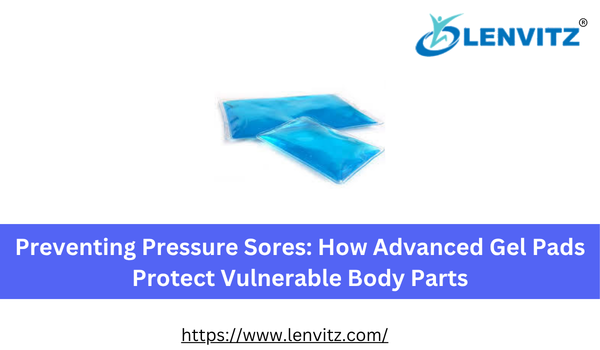
When a patient is bedridden, recovering from a major injury, or undergoing long surgical procedures, the body faces a hidden adversary: constant, unyielding pressure. In normal everyday life, our bodies automatically prompt us to shift positions when we become uncomfortable. However, under anesthesia or during extended periods of restricted mobility, this natural defense mechanism completely disappears.
Without targeted protection, prolonged contact with firm medical surfaces can reduce blood flow to local tissues, leading to painful pressure ulcers (commonly known as bedsores). Fortunately, modern healthcare relies heavily on specialized padding material to eliminate these risks. Here is an overview of how medical-grade gel pads safeguard the body’s most vulnerable pressure points.
The Critical Role of Proper Patient Alignment
In hospitals and long-term care facilities, managing skin integrity is a top priority. When a patient remains static, the heaviest, boniest areas of the skeleton bear the brunt of their total body weight.
To combat this, clinical teams implement medical-grade Patient Positioning Gel Pads. These advanced supports are engineered from viscoelastic polymers that mimic the natural feel and flexibility of fatty tissue. Instead of allowing body weight to pool heavily on a single bony point, these pads redistribute that physical force uniformly across a wider surface area. This ensures that blood capillaries remain open and tissues receive oxygen continuously.
Key Areas of Target Protection in Medical Care
Depending on a patient's physical limitations or the type of recovery they are undergoing, specific localized tools are deployed to manage different contact zones.
1. Guarding the Lower Limbs: The Heel Pad
When lying flat on a standard hospital mattress or operating table, the heels are exceptionally prone to injury. The heel bone is covered by only a thin layer of skin and fat, making it one of the most common sites for severe pressure sores.
-
The Danger: Constant downward pressure can quickly cut off blood flow to the heel, causing deep tissue damage that is notoriously slow to heal.
-
The Solution: A contoured Heel Pad cradles the back of the ankle and foot. By elevating the lower leg slightly or absorbing the friction beneath the heel, it isolates the area from intense pressure points.
2. Dignity and Long-Term Seating Comfort: The Gel WC Seat Cover
For individuals with severely restricted mobility, paraplegia, or elderly patients spending extended periods in care facilities, simple daily routines present physical challenges. Standard rigid toilet fixtures introduce heavy shear forces and high localized stress on the tailbone (coccyx) and sit bones.
-
The Danger: Repeated use of hard surfaces can cause painful skin tears and deep bruising on the pelvic region for individuals with low muscle mass.
-
The Solution: An ergonomic gel WC Seat Cover easily retrofits over existing facilities to provide immediate relief. The soft, fluid-like gel core flows around the user's anatomy, absorbing impact forces and providing a highly cushioned, sanitary, and comfortable experience.
Smart Engineering for Enhanced Patient Safety
Modern medical advancements extend far beyond surgical instruments and prescription drugs. The intentional design behind flexible gel pads, targeted Patient Positioning Gel Pads, protective Heel Pad designs, and comfortable WC Seat Cover systems showcases the healthcare industry's deep commitment to preventive comfort.
By actively absorbing friction, distributing body weight, and prioritizing skin safety, these simple yet sophisticated tools allow patients to rest, recover, and heal with confidence and dignity.

 English
 Arabic
 French
 Spanish
 Portuguese
 Deutsch
 Turkish
 Italiano
 Russian
 Romaian
 Portuguese (Brazil)
 Greek
Greek
