


 Downloader
 Free FTP
How to Register Private Ltd Company in India – Beginner’s Registration Guide
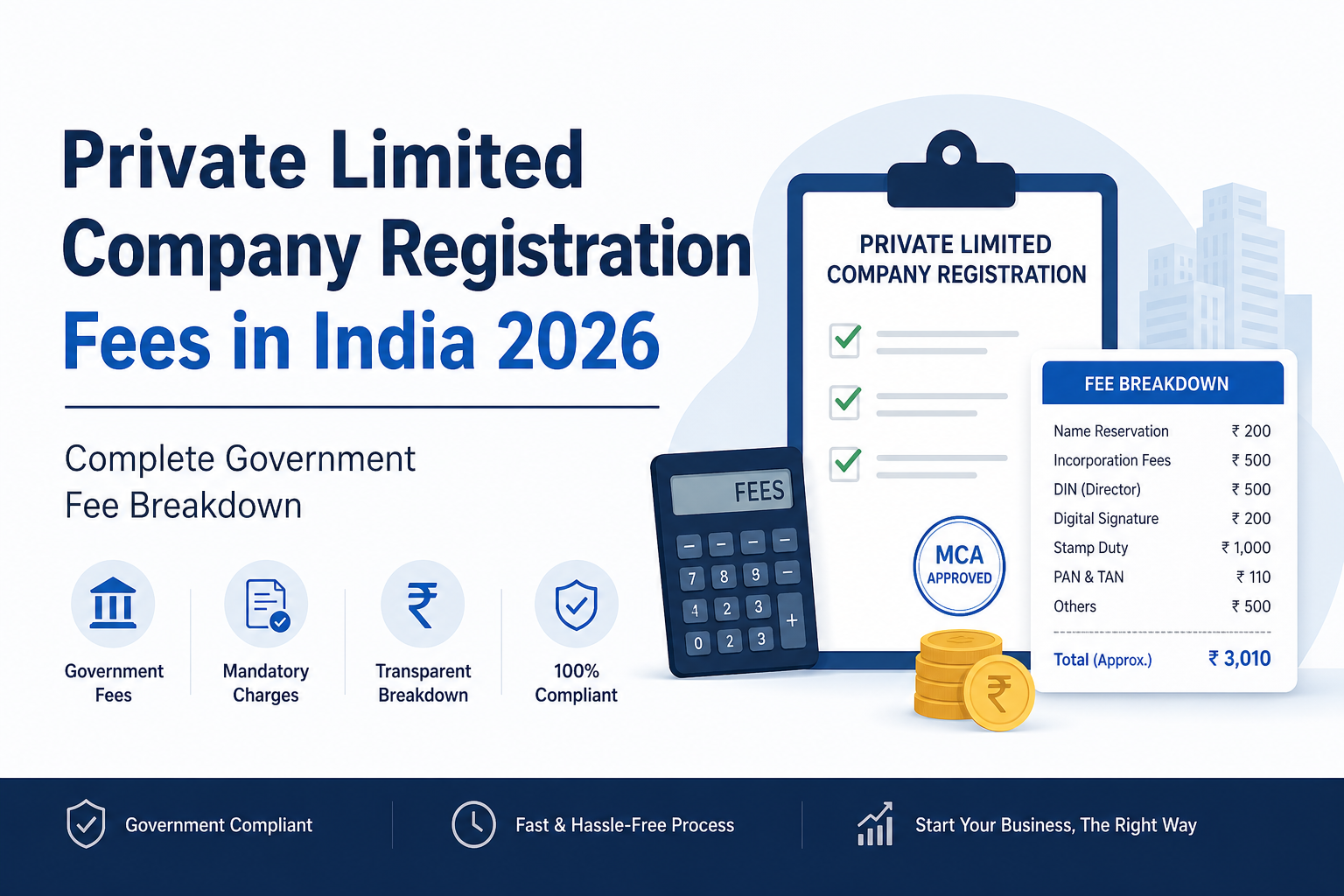
Starting a business is an exciting step for entrepreneurs. Among the various business structures available, a Private Limited Company is one of the most preferred options in India. It offers limited liability protection, better credibility, and easier access to funding opportunities. If you are planning to establish your own company, understanding How to register Private ltd Company in India is essential.
This beginner-friendly guide explains the registration process, eligibility requirements, documents needed, and key benefits of incorporating a Private Limited Company.
What is a Private Limited Company?
A Private Limited Company is a legally recognized business entity registered under the Companies Act, 2013. It is owned by private shareholders and provides limited liability protection to its owners. This means the personal assets of shareholders remain protected even if the business faces financial difficulties.
A Private Limited Company has a separate legal identity from its owners and can own assets, enter contracts, and conduct business activities in its own name.
Benefits of Registering a Private Limited Company
Before learning How to register Private ltd Company in India, it is important to understand why many entrepreneurs choose this business structure.
Limited Liability Protection
The liability of shareholders is limited to the amount invested in the company. Personal assets are generally not affected by company debts.
Separate Legal Entity
A company exists independently from its directors and shareholders, allowing it to own property and enter legal agreements.
Improved Business Credibility
Customers, vendors, and investors often trust registered companies more than unregistered business structures.
Easy Fundraising
Private Limited Companies can attract investors, venture capital firms, and financial institutions more easily.
Perpetual Succession
The company continues to exist even if shareholders or directors change over time.
Eligibility Requirements for Registration
To register a Private Limited Company in India, certain basic requirements must be fulfilled:
- Minimum two directors
- Minimum two shareholders
- At least one director must be an Indian resident
- Unique company name
- Registered office address in India
- Valid identity and address proof of directors and shareholders
Meeting these requirements ensures a smooth registration process.
Documents Required for Company Registration
Proper documentation is essential when applying for company incorporation.
For Directors and Shareholders
- PAN Card
- Aadhaar Card
- Passport (for foreign nationals)
- Voter ID, Driving License, or Passport as identity proof
- Recent utility bill or bank statement as address proof
- Passport-sized photographs
For Registered Office Address
- Electricity bill or utility bill
- Rent agreement (if rented property)
- No Objection Certificate (NOC) from the property owner
Having accurate and updated documents helps avoid delays during registration.
Step-by-Step Process to Register a Private Limited Company
Understanding How to register Private ltd Company in India becomes easier when the process is divided into clear steps.
Step 1: Obtain Digital Signature Certificate (DSC)
A Digital Signature Certificate is required for filing electronic forms with the Ministry of Corporate Affairs (MCA). All proposed directors must obtain a DSC before starting the registration process.
Step 2: Apply for Director Identification Number (DIN)
The Director Identification Number is a unique number allotted to individuals who wish to become directors of a company. DIN can be obtained during the incorporation process.
Step 3: Reserve the Company Name
Choosing a unique company name is an important step. The name should comply with MCA naming guidelines and should not be identical to an existing company or trademark.
Entrepreneurs can submit name approval requests through the MCA portal.
Step 4: Prepare Incorporation Documents
The Memorandum of Association (MOA) and Articles of Association (AOA) must be drafted and submitted. These documents define the company's objectives, rules, and operational structure.
Step 5: File Incorporation Application
The incorporation application is filed electronically through the MCA portal using the integrated registration process. Necessary documents and declarations are attached during filing.
This is a crucial stage when completing How to register Private ltd Company in India successfully.
Step 6: Verification by Registrar of Companies (ROC)
The Registrar of Companies reviews the submitted documents and application details. If everything is found correct, approval is granted.
Step 7: Certificate of Incorporation Issued
After successful verification, the ROC issues the Certificate of Incorporation. This certificate serves as official proof that the company has been legally registered.
The company also receives:
- Corporate Identification Number (CIN)
- PAN
- TAN
Post-Registration Compliance Requirements
After incorporation, companies must comply with various legal and regulatory requirements.
Open a Business Bank Account
A current account should be opened in the company's name for business transactions.
Maintain Accounting Records
Proper bookkeeping and accounting records must be maintained regularly.
GST Registration
Businesses crossing the prescribed turnover limit or engaging in specific activities may require GST registration.
Annual Filings
Private Limited Companies must file annual returns and financial statements with the Ministry of Corporate Affairs.
Income Tax Compliance
Timely filing of income tax returns is mandatory to avoid penalties and maintain compliance.
Common Mistakes to Avoid
Many entrepreneurs face delays due to avoidable errors.
Choosing a Similar Company Name
Names that closely resemble existing companies may get rejected.
Incorrect Documentation
Mismatched information in documents can lead to application resubmission.
Ignoring Compliance Requirements
Failure to meet annual filing obligations may result in penalties.
Using an Invalid Office Address
The registered office address must have proper supporting documents.
Being careful during registration helps complete How to register Private ltd Company in India without unnecessary complications.
How Long Does Registration Take?
The registration timeline depends on document accuracy and government processing speed. In most cases, incorporation can be completed within 7 to 15 working days when all documents are correctly submitted.
Professional assistance can further streamline the process and reduce delays.
Why Professional Assistance Can Help
Although the registration process is online, many entrepreneurs prefer expert guidance. Professionals assist with:
- Name approval
- Documentation
- Government filings
- Compliance management
- Tax registrations
Their expertise minimizes errors and saves valuable time.
Conclusion
Understanding How to register Private ltd Company in India is the first step toward building a legally compliant and growth-oriented business. A Private Limited Company offers numerous advantages, including limited liability, enhanced credibility, and easier fundraising opportunities. By following the proper registration process, maintaining accurate documentation, and complying with post-incorporation requirements, entrepreneurs can establish a strong foundation for long-term success.
If you are planning to start a new venture, learning How to register Private ltd Company in India can help you confidently navigate the incorporation process and begin your entrepreneurial journey on the right path.

 English
 Arabic
 Spanish
 Portuguese
 Deutsch
 Turkish
 Dutch
Dutch
 Italiano
 Russian
 Romaian
 Portuguese (Brazil)
 Greek
Greek
