


 Downloader
 Free FTP
Promote Your Product
Got a product, service, or story to share? Promote it directly to our active community and boost your brand today.
Create an Ad
Publish Bulk Blog Posts
Boost Your Reach! 📝
Have articles, guest posts, or bulk stories to publish? Send your content directly to our editorial team and feature on our platform.
Email Us Your PostsKidney Transplant in India: Everything You Need to Know About Treatment, Cost, Recovery, and Success Rate
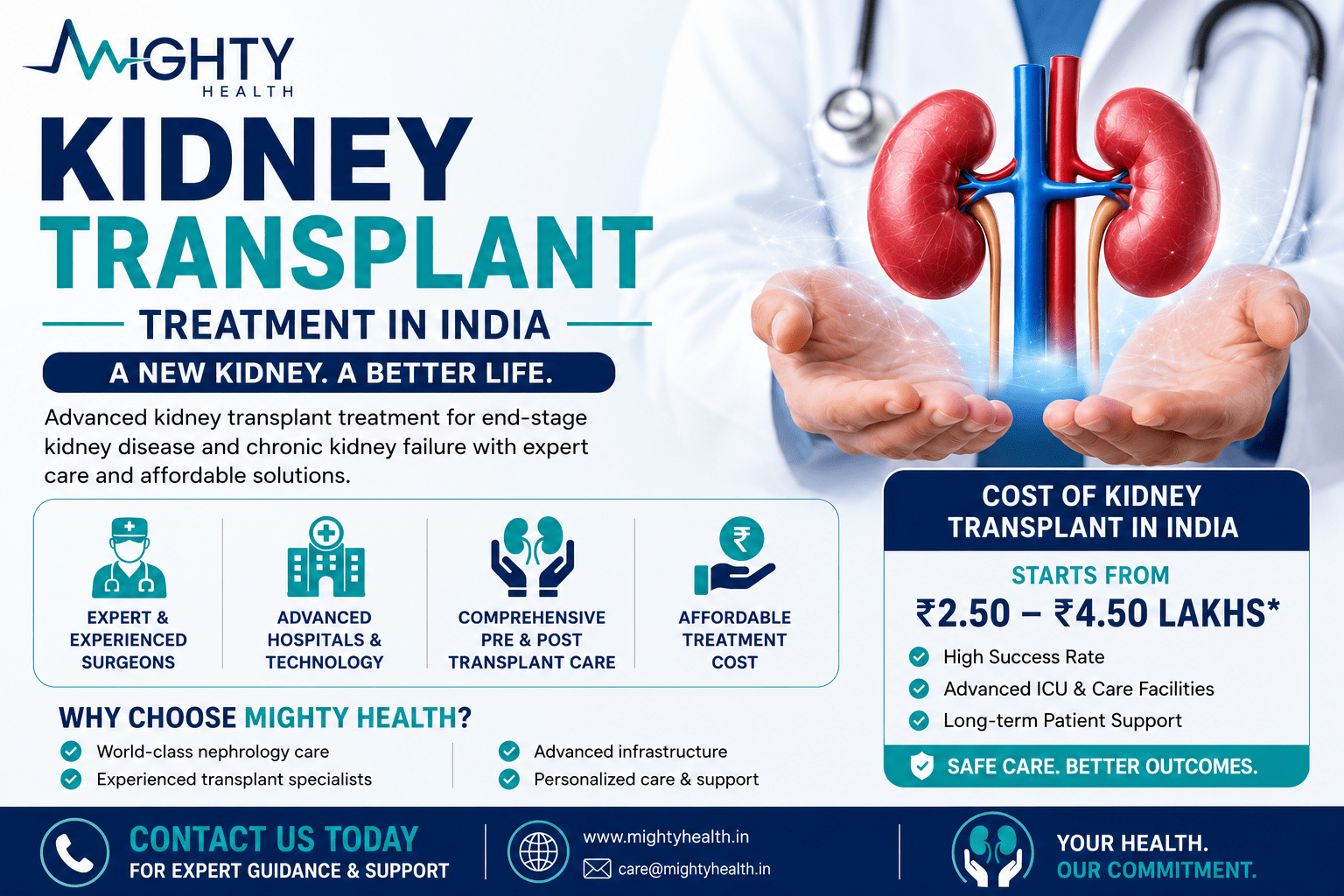
Kidney disease affects millions of people worldwide and is one of the leading causes of serious health complications. When the kidneys lose their ability to filter waste products and excess fluids from the blood, patients may develop chronic kidney disease (CKD) or end-stage renal disease (ESRD). In advanced stages, dialysis and kidney transplantation become the primary treatment options.
Among these, kidney transplantation is widely regarded as the most effective long-term treatment. A successful transplant can restore kidney function, improve quality of life, and help patients return to their normal daily activities. India has become a preferred destination for kidney transplant treatment due to its highly qualified transplant surgeons, advanced healthcare facilities, affordable costs, and high success rates.
This guide explores kidney transplant treatment in India, including the procedure, eligibility criteria, benefits, costs, recovery process, and frequently asked questions.
What Is a Kidney Transplant?
A kidney transplant is a surgical procedure in which a healthy kidney from a donor is implanted into a patient whose kidneys are no longer functioning properly.
Healthy kidneys perform several important functions, including:
-
Removing waste products from the blood
-
Maintaining fluid balance
-
Regulating blood pressure
-
Producing hormones that support red blood cell production
-
Maintaining electrolyte balance
When kidney function declines significantly, toxins accumulate in the body, leading to severe health complications. Kidney transplantation helps restore these essential functions and offers patients a better quality of life.
Who May Need a Kidney Transplant?
A kidney transplant is generally recommended for patients suffering from severe kidney failure or end-stage renal disease.
Common conditions that may require kidney transplantation include:
Chronic Kidney Disease (CKD)
CKD gradually damages kidney function over time. If left untreated, it may progress to kidney failure.
End-Stage Renal Disease (ESRD)
ESRD occurs when kidney function falls below 15 percent of normal capacity.
Diabetic Kidney Disease
Diabetes is one of the most common causes of kidney failure worldwide.
High Blood Pressure
Uncontrolled hypertension can damage blood vessels in the kidneys and reduce their ability to function.
Polycystic Kidney Disease
This inherited condition causes multiple cysts to develop in the kidneys, eventually impairing kidney function.
Glomerulonephritis
Inflammation of the kidney’s filtering units can result in permanent damage and kidney failure.
Types of Kidney Donors
Living Donor Kidney Transplant
In this type of transplant, a healthy person donates one kidney to the recipient.
Living donors may include:
-
Parents
-
Siblings
-
Children
-
Spouses
-
Other eligible relatives
Living donor transplants often provide better outcomes and shorter waiting times.
Deceased Donor Kidney Transplant
A deceased donor kidney transplant involves receiving a kidney from a registered organ donor after brain death.
Patients are placed on a waiting list until a compatible donor becomes available.
Benefits of Kidney Transplantation
Compared to long-term dialysis, kidney transplantation offers several important advantages.
Improved Quality of Life
Many transplant recipients experience increased energy levels and greater independence.
Better Long-Term Survival
Studies have shown that kidney transplant patients often have better long-term outcomes than patients who remain on dialysis.
Greater Freedom
Patients can travel, work, and participate in social activities without frequent dialysis sessions.
Improved Physical Health
A functioning transplanted kidney helps maintain healthier blood pressure and electrolyte levels.
Reduced Dietary Restrictions
Many patients enjoy a more flexible diet compared to those undergoing dialysis.
Kidney Transplant Evaluation Process
Before a kidney transplant can be performed, patients undergo a comprehensive medical evaluation.
Medical Assessment
Doctors review:
-
Medical history
-
Current health condition
-
Previous surgeries
-
Existing medications
Blood Tests
Testing helps determine:
-
Blood group compatibility
-
Tissue matching
-
Infection screening
Imaging Studies
Patients may undergo:
-
Ultrasound
-
CT scan
-
Chest X-ray
-
Electrocardiogram (ECG)
Psychological Evaluation
Mental and emotional readiness for transplantation is also assessed.
The Kidney Transplant Procedure
Kidney transplant surgery is typically performed under general anesthesia.
Step 1: Donor Matching
Doctors identify a suitable donor kidney based on compatibility testing.
Step 2: Surgical Procedure
The surgeon places the donor kidney in the lower abdomen and connects it to the recipient’s blood vessels and bladder.
In most cases, the patient's original kidneys are left in place unless there is a medical reason to remove them.
Step 3: Post-Surgical Monitoring
Patients are closely monitored to ensure the new kidney begins functioning properly.
Recovery After Kidney Transplant
Recovery is an important part of the transplant journey.
Hospital Stay
Most patients remain hospitalized for approximately one to two weeks following surgery.
Medications
Immunosuppressive medications help prevent the body's immune system from rejecting the transplanted kidney.
Follow-Up Care
Regular follow-up appointments are necessary to monitor kidney function and overall health.
Lifestyle Adjustments
Patients are encouraged to:
-
Eat a balanced diet
-
Stay physically active
-
Avoid smoking
-
Control blood pressure and diabetes
-
Maintain a healthy weight
Cost of Kidney Transplant in India
One of the primary reasons patients choose India for kidney transplantation is affordability.
The average kidney transplant cost in India typically ranges from ₹2.5 lakh to ₹8 lakh depending on factors such as:
-
Hospital location
-
Surgeon expertise
-
Diagnostic testing
-
Donor evaluation
-
Hospital stay
-
Post-operative care
Despite lower costs, Indian hospitals maintain high standards of safety, quality, and patient care.
Why International Patients Choose India
India has become a global hub for medical tourism and organ transplant treatment.
Experienced Specialists
Indian transplant surgeons possess extensive experience in performing complex kidney transplant procedures.
Advanced Technology
Modern hospitals are equipped with state-of-the-art transplant units and advanced diagnostic systems.
Affordable Healthcare
Treatment costs are significantly lower compared to many Western countries.
Personalized Care
Hospitals offer dedicated patient coordinators and individualized treatment plans.
International Patient Support
Many hospitals provide assistance with:
-
Medical visas
-
Travel arrangements
-
Accommodation
-
Language interpretation
Kidney Transplant Success Rate in India
Advancements in surgical techniques, donor matching, and post-operative care have significantly improved transplant outcomes.
Many leading hospitals in India report kidney transplant success rates exceeding 90–95% for suitable candidates.
Success depends on factors such as:
-
Donor compatibility
-
Patient health condition
-
Medication compliance
-
Long-term follow-up care
Potential Risks and Complications
Like any major surgery, kidney transplantation involves certain risks.
Possible complications include:
-
Organ rejection
-
Infection
-
Bleeding
-
Blood clots
-
Medication side effects
However, modern medical management helps minimize these risks and improve long-term outcomes.
Life After Kidney Transplant
A successful kidney transplant can dramatically improve a patient's lifestyle.
Patients should:
-
Take medications exactly as prescribed
-
Attend regular follow-up visits
-
Follow dietary recommendations
-
Exercise regularly
-
Monitor blood pressure and blood sugar levels
With proper care, a transplanted kidney can function successfully for many years.
Conclusion
Kidney transplantation is a life-changing treatment option for patients suffering from severe kidney disease and kidney failure. Compared to long-term dialysis, it offers improved quality of life, greater independence, and better long-term health outcomes.
India continues to be a trusted destination for kidney transplant treatment because of its experienced medical professionals, advanced healthcare infrastructure, affordable costs, and excellent success rates. Patients from around the world choose India for comprehensive transplant care and world-class medical services.
If you or a loved one is considering kidney transplant treatment, consulting a qualified transplant specialist can help determine the best course of action and improve the chances of a successful recovery.
Frequently Asked Questions (FAQs)
1. What is a kidney transplant?
A kidney transplant is a surgical procedure that replaces a failed kidney with a healthy donor kidney.
2. Who is eligible for a kidney transplant?
Patients with end-stage renal disease, chronic kidney failure, or severe kidney dysfunction may be eligible.
3. What is the success rate of kidney transplant surgery in India?
Many leading hospitals report success rates above 90–95% for suitable candidates.
4. How long does kidney transplant surgery take?
The procedure generally takes 3–5 hours.
5. What is the average cost of kidney transplant treatment in India?
The cost usually ranges from ₹2.5 lakh to ₹8 lakh depending on various factors.
6. Is a living donor transplant better?
Living donor transplants often have shorter waiting times and excellent outcomes.
7. Will I need medication after transplantation?
Yes. Lifelong immunosuppressive medications are necessary to prevent organ rejection.
8. How long does recovery take?
Most patients resume normal activities within several weeks, although full recovery may take a few months.
9. Can international patients undergo kidney transplant treatment in India?
Yes. Many hospitals provide specialized support for international patients.
10. How long can a transplanted kidney last?
With proper care and follow-up, a transplanted kidney can function successfully for many years.

 English
 Arabic
 French
 Spanish
 Portuguese
 Deutsch
 Turkish
 Dutch
Dutch
 Italiano
 Russian
 Portuguese (Brazil)
 Greek
Greek
