


 Downloader
 Free FTP
TMJ and Headaches: Causes, Treatments & When to See a Specialist
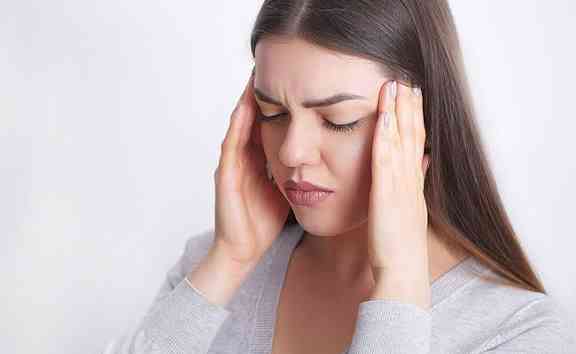
Introduction
Headaches can significantly affect daily life, reducing productivity, concentration, and overall well-being. While headaches are commonly associated with stress, migraines, sinus problems, or neurological conditions, many people are surprised to learn that jaw joint dysfunction can also be a major contributing factor. The temporomandibular joint, commonly known as the TMJ, plays an essential role in speaking, chewing, swallowing, and facial movement. When this joint is not functioning properly, symptoms may extend beyond the jaw and affect the head, neck, ears, and facial muscles.
Many individuals experience recurring headaches without realizing that the source of their discomfort may originate from the jaw joint and surrounding muscles. Because headache disorders have numerous possible causes, TMJ-related symptoms are frequently overlooked, leading to delayed diagnosis and prolonged discomfort.
People searching for a TMJ and headache treatment clinic are often trying to understand whether their recurring headaches could be linked to jaw dysfunction. Recognizing this connection can help patients seek appropriate evaluation and management before symptoms become chronic.
This guide explores how TMJ disorders contribute to headaches, the common causes behind these conditions, available treatment approaches, and when it may be necessary to consult a specialist.
Understanding the Temporomandibular Joint
The temporomandibular joint is one of the most frequently used joints in the body.
It allows the lower jaw to move in multiple directions, supporting activities such as:
-
Chewing
-
Speaking
-
Swallowing
-
Yawning
Because the joint is constantly active, even minor dysfunction can affect comfort and performance.
What Is TMJ Disorder?
TMJ disorder refers to a group of conditions affecting the jaw joint, surrounding muscles, and associated structures.
Common symptoms include:
-
Jaw pain
-
Clicking sounds
-
Jaw stiffness
-
Difficulty opening the mouth
-
Facial discomfort
-
Headaches
Symptoms may vary considerably from one individual to another.
The Relationship Between TMJ Disorders and Headaches
The jaw joint shares close anatomical connections with muscles and nerves that influence the head and neck.
When the joint becomes irritated or strained, surrounding muscles may become overactive.
This muscular tension can contribute to:
-
Temple pain
-
Forehead discomfort
-
Facial pressure
-
Neck stiffness
As tension increases, headache symptoms may become more frequent or intense.
Types of Headaches Associated With TMJ Disorders
Several headache patterns may occur in individuals with jaw dysfunction.
Tension-Type Headaches
Often described as a constant pressure around the head.
Temple Headaches
Pain frequently develops around the temples due to muscle strain.
Facial Headaches
Discomfort may spread across the cheeks, forehead, and jaw.
Neck-Related Headaches
Neck muscle tension may contribute to headache symptoms.
Recognizing these patterns may help identify possible TMJ involvement.
Common Causes of TMJ Disorders
Various factors may contribute to jaw dysfunction.
Teeth Grinding
Grinding places excessive stress on the jaw joint.
Jaw Clenching
Repeated clenching can strain muscles and ligaments.
Injury
Trauma may alter joint function and alignment.
Arthritis
Joint inflammation can affect movement and comfort.
Bite Imbalances
Irregular bite patterns may increase stress on the jaw.
Often, multiple contributing factors are present simultaneously.
Signs That Headaches May Be Related to TMJ Dysfunction
Certain symptoms commonly occur alongside TMJ-related headaches.
These may include:
-
Jaw clicking
-
Jaw locking
-
Ear discomfort
-
Facial tenderness
-
Pain while chewing
-
Limited jaw movement
The presence of these symptoms may suggest jaw involvement.
How Jaw Muscles Influence Headache Pain
Jaw muscles work continuously throughout the day.
Overuse may lead to:
-
Muscle fatigue
-
Trigger points
-
Tightness
-
Referred pain
Muscular dysfunction often contributes significantly to headache development.
Stress and Jaw Joint Problems
Stress can influence both jaw function and headache frequency.
Common stress-related habits include:
-
Teeth grinding
-
Jaw clenching
-
Shoulder tension
-
Neck stiffness
Managing stress may reduce symptom severity.
Diagnosing TMJ Disorders
Accurate diagnosis is essential for effective management.
Evaluation may involve:
Medical History
Reviewing symptoms and contributing factors.
Clinical Examination
Assessing jaw movement and muscle tenderness.
Bite Assessment
Evaluating tooth alignment and function.
Diagnostic Imaging
Certain cases may require imaging for additional information.
Comprehensive evaluation supports appropriate treatment planning.
Why TMJ Disorders Are Often Missed
TMJ-related symptoms frequently resemble other conditions.
Examples include:
-
Migraines
-
Sinus headaches
-
Ear disorders
-
Neurological conditions
This overlap can make diagnosis challenging without specialized evaluation.
Understanding Chronic Headache Patterns
Headaches that occur repeatedly over long periods may require further investigation.
Potential warning signs include:
-
Frequent recurrence
-
Increasing severity
-
Associated jaw symptoms
-
Reduced response to self-care measures
Persistent symptoms should not be ignored.
Treatment Approaches for TMJ Disorders
Treatment depends on the severity of symptoms and contributing factors.
Most management plans begin with conservative measures.
Lifestyle Modifications
Simple changes may help reduce stress on the jaw.
Examples include:
-
Avoiding hard foods
-
Reducing gum chewing
-
Improving posture
-
Managing stress
Lifestyle adjustments often support recovery.
Jaw Exercises
Targeted exercises may help improve:
-
Mobility
-
Muscle coordination
-
Joint function
Exercises should be recommended by qualified professionals.
Bite Management
Certain bite-related issues may contribute to TMJ symptoms.
Addressing these factors may reduce stress on the joint and surrounding muscles.
Managing Jaw Pain and Headaches Together
Successful management often involves treating both headache symptoms and the underlying jaw dysfunction.
Many patients benefit from a comprehensive treatment for jaw pain and frequent headaches, particularly when muscular tension and joint irritation contribute to recurring discomfort.
Long-term improvement usually requires addressing the source of the problem rather than focusing only on headache relief.
The Importance of Early Intervention
Seeking care early may help prevent:
-
Chronic pain
-
Joint deterioration
-
Increased muscle tension
-
Reduced jaw mobility
Early management often improves treatment outcomes.
Habits That Can Worsen Symptoms
Several everyday behaviors may increase jaw strain.
Examples include:
-
Nail biting
-
Teeth clenching
-
Poor posture
-
Excessive chewing
Reducing these habits may support symptom improvement.
Sleep and TMJ Disorders
Sleep quality can influence pain perception.
Poor sleep may contribute to:
-
Increased muscle tension
-
Greater pain sensitivity
-
More frequent headaches
Healthy sleep habits often support recovery.
When to See a Specialist
Professional evaluation may be appropriate when symptoms include:
-
Persistent headaches
-
Recurring jaw pain
-
Jaw locking
-
Difficulty chewing
-
Facial discomfort
Comprehensive assessment helps determine the most appropriate treatment approach.
Why Specialized Care Matters
TMJ disorders involve multiple structures including muscles, joints, ligaments, and bite relationships.
Many individuals seek evaluation from a tmj clinic near mumbai because specialized care may help identify contributing factors that general assessments sometimes overlook.
Personalized treatment planning often improves long-term outcomes.
Long-Term Outlook
Many patients experience significant improvement with proper management.
Successful treatment often focuses on:
-
Reducing pain
-
Improving function
-
Minimizing muscle tension
-
Protecting joint health
Consistency plays an important role in maintaining results.
Conclusion
TMJ disorders can contribute significantly to recurring headaches, facial discomfort, and jaw pain. Because the jaw joint shares close anatomical and muscular connections with the head and neck, dysfunction in this area may create symptoms that resemble other headache conditions. Understanding this relationship is essential for obtaining appropriate diagnosis and treatment.
Individuals seeking a TMJ and headache treatment clinic often benefit from comprehensive evaluation that addresses both headache symptoms and underlying jaw dysfunction. A carefully planned treatment for jaw pain and frequent headaches can help reduce discomfort while improving jaw function and overall quality of life.
Consulting professionals experienced in TMJ evaluation, including specialists working within a tmj clinic near mumbai, can help patients identify the source of their symptoms and develop an effective long-term management strategy.
Frequently Asked Questions
Can TMJ disorders cause chronic headaches?
Yes. TMJ dysfunction may contribute to recurring headaches through muscle tension and joint irritation.
Where are TMJ headaches usually felt?
They commonly occur around the temples, forehead, jaw, face, and neck.
Can stress worsen TMJ symptoms?
Yes. Stress often increases jaw clenching and muscle tension, which may aggravate symptoms.
Are TMJ headaches different from migraines?
They can share similarities, but TMJ headaches are frequently associated with jaw-related symptoms.
When should I seek professional evaluation?
Persistent headaches accompanied by jaw discomfort, clicking, locking, or chewing difficulties should be professionally assessed.
Source: TMJ and Headaches

 English
 Arabic
 French
 Spanish
 Portuguese
 Deutsch
 Turkish
 Italiano
 Russian
 Romaian
 Portuguese (Brazil)
 Greek
Greek
