


 Downloader
 Free FTP
Promote Your Product
Got a product, service, or story to share? Promote it directly to our active community and boost your brand today.
Create an Ad
Publish Bulk Blog Posts
Boost Your Reach! 📝
Have articles, guest posts, or bulk stories to publish? Send your content directly to our editorial team and feature on our platform.
Email Us Your PostsDupuytren's Viking Disease Explained: Symptoms, Risks, and Care
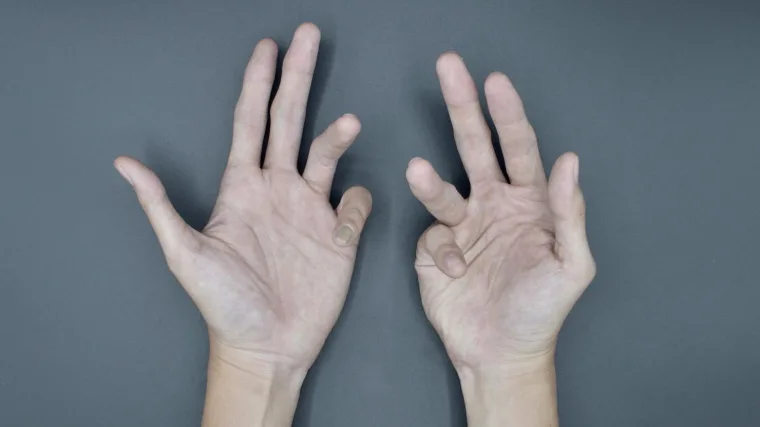
Dupuytren's Viking disease is a hand condition that affects the connective tissue beneath the skin of the palm and fingers. Over time, this tissue thickens and tightens, causing one or more fingers to bend toward the palm. The condition is commonly associated with people of Northern European ancestry, which is why it is often referred to as Dupuytren's Viking disease or viking syndrome hand.
Although the condition usually develops slowly, it can significantly impact hand function and daily activities if left untreated. Understanding the symptoms, risk factors, and available care options can help individuals manage the condition more effectively and maintain better hand mobility.
What Is Dupuytren's Viking Disease?
Dupuytren's Viking disease is a progressive disorder that affects the fascia, a layer of tissue located beneath the skin of the palm. As the disease progresses, thick cords of tissue form under the skin, pulling the fingers inward.
The ring finger and little finger are most commonly affected, although other fingers can also become involved. Unlike arthritis, this condition does not directly affect the joints. Instead, it impacts the connective tissue that supports the hand.
Because of its prevalence among people with Scandinavian and Northern European ancestry, the condition has earned names such as viking hand disorder and viking syndrome hand.
Common Symptoms of Viking Hand Disorder
The symptoms of viking hand disorder usually develop gradually over months or years. Early signs may be subtle, making the condition easy to overlook.
1. Small Lumps in the Palm
One of the first symptoms is the appearance of small nodules or lumps beneath the skin of the palm. These nodules may feel firm and can sometimes be tender initially.
2. Thickened Skin
As the disease progresses, the skin on the palm may become thicker and appear puckered or dimpled.
3. Formation of Tissue Cords
The thickened tissue can develop into rope-like cords extending from the palm toward the fingers.
4. Finger Contracture
Over time, these cords tighten and pull the fingers toward the palm. Straightening the affected fingers becomes increasingly difficult.
5. Reduced Hand Function
Advanced stages of dupuytren's viking disease can make everyday tasks challenging, including:
-
Shaking hands
-
Putting on gloves
-
Holding tools
-
Typing
-
Washing the face
-
Grasping larger objects
Causes of Viking Syndrome Hand
The exact cause of viking syndrome hand remains unclear. Researchers believe a combination of genetic and environmental factors contributes to its development.
The condition occurs when excess collagen accumulates within the hand's connective tissues, causing thickening and tightening.
Several factors may increase the likelihood of developing the condition.
Risk Factors for Dupuytren's Viking Disease
Genetics
Family history is one of the strongest risk factors. Individuals with relatives who have dupuytren's viking disease are more likely to develop it themselves.
Age
The condition is more common after the age of 50, although younger individuals can also be affected.
Gender
Men tend to develop more severe forms of the disease compared to women.
Northern European Heritage
People of Scandinavian, British, Irish, and Northern European descent are more frequently affected, which contributes to the nickname viking hand disorder.
Lifestyle Factors
Some studies suggest associations with:
-
Smoking
-
Excessive alcohol consumption
-
Diabetes
-
Certain medications
However, these factors do not directly cause the disease.
How Dupuytren's Viking Disease Is Diagnosed
Diagnosis typically involves a physical examination performed by a healthcare professional.
The doctor may:
-
Examine the palm and fingers
-
Feel for nodules and cords
-
Assess finger movement
-
Evaluate hand function
A common assessment is the tabletop test. If a person cannot place their hand flat on a table, the condition may have progressed significantly.
Imaging tests are generally not required unless another condition is suspected.
Understanding Disease Progression
One important aspect of dupuytren's viking disease is that progression varies significantly from person to person.
Some individuals experience slow progression over many years, while others notice worsening symptoms more rapidly.
Not every case leads to severe finger contracture. In some people, the disease remains stable with minimal impact on daily activities.
Regular monitoring can help determine whether treatment becomes necessary.
Care and Management Strategies
Although there is currently no guaranteed cure, several management options can help improve comfort and maintain hand function.
Hand Stretching Exercises
Gentle stretching may help preserve flexibility and range of motion.
Common exercises include:
-
Finger extension stretches
-
Palm-opening exercises
-
Tendon-gliding movements
These exercises should be performed carefully and consistently.
Hand Therapy
Occupational therapists and hand specialists may provide customized exercise programs and techniques to improve mobility.
Therapy may also include:
-
Splinting
-
Massage techniques
-
Functional training
Maintaining Overall Health
Healthy lifestyle habits may support overall tissue health and well-being.
These include:
-
Regular exercise
-
Balanced nutrition
-
Smoking cessation
-
Blood sugar management
Dupuytren Contracture New Treatment Options
Medical advancements continue to improve treatment outcomes. Several dupuytren contracture new treatment approaches are now available.
Collagenase Injections
Collagenase injections use enzymes to break down the thickened tissue cords responsible for finger contracture.
After the injection, a healthcare provider manipulates the finger to help restore movement.
Benefits include:
-
Minimally invasive procedure
-
Quick recovery
-
Reduced downtime
Needle Aponeurotomy
This technique uses a fine needle to divide the cords beneath the skin.
Advantages include:
-
Minimal incision
-
Fast recovery
-
Outpatient treatment
However, recurrence can occur over time.
Surgical Treatment
For severe cases, surgery may be recommended to remove the affected tissue.
Surgical procedures can provide significant correction, especially when contractures are advanced.
Recovery often involves:
-
Physical therapy
-
Hand exercises
-
Temporary splinting
Emerging Research
Researchers continue exploring innovative dupuytren contracture new treatment options, including regenerative therapies and improved minimally invasive techniques.
These developments aim to provide better outcomes with shorter recovery periods.
Living with Dupuytren's Viking Disease
A diagnosis of viking syndrome hand does not mean loss of independence. Many people successfully manage their symptoms and maintain active lifestyles.
Helpful strategies include:
-
Monitoring hand changes regularly
-
Following exercise programs
-
Seeking professional evaluation when symptoms worsen
-
Using adaptive tools when necessary
Early intervention often leads to better functional outcomes.
When to Seek Medical Advice
Consult a healthcare professional if you notice:
-
Lumps in the palm
-
Difficulty straightening fingers
-
Reduced grip strength
-
Progressive hand tightness
-
Difficulty performing daily activities
Early evaluation allows for timely management and discussion of available treatment options.
Preventing Complications
While there is no proven way to completely prevent dupuytren's viking disease, early attention can help reduce complications.
Preventive measures may include:
-
Regular hand assessments
-
Maintaining flexibility through exercise
-
Avoiding tobacco use
-
Managing chronic health conditions
Prompt treatment may help preserve hand function and improve quality of life.
Conclusion
Dupuytren's Viking disease is a progressive hand condition characterized by thickening and tightening of connective tissue in the palm. Often referred to as viking hand disorder or viking syndrome hand, it can gradually affect finger movement and hand function.
Recognizing symptoms early, understanding risk factors, and exploring available care options are important steps toward effective management. Modern therapies, including several dupuytren contracture new treatment approaches, offer promising solutions for individuals seeking improved mobility and comfort.
With proper monitoring, professional guidance, and timely intervention, many people with dupuytren's viking disease can continue to enjoy active and productive lives while maintaining better hand function.
Dupuytren's Viking disease is a hand condition that affects the connective tissue beneath the skin of the palm and fingers. Over time, this tissue thickens and tightens, causing one or more fingers to bend toward the palm. The condition is commonly associated with people of Northern European ancestry, which is why it is often referred to as Dupuytren's Viking disease or viking syndrome hand.
Although the condition usually develops slowly, it can significantly impact hand function and daily activities if left untreated. Understanding the symptoms, risk factors, and available care options can help individuals manage the condition more effectively and maintain better hand mobility.
What Is Dupuytren's Viking Disease?
Dupuytren's Viking disease is a progressive disorder that affects the fascia, a layer of tissue located beneath the skin of the palm. As the disease progresses, thick cords of tissue form under the skin, pulling the fingers inward.
The ring finger and little finger are most commonly affected, although other fingers can also become involved. Unlike arthritis, this condition does not directly affect the joints. Instead, it impacts the connective tissue that supports the hand.
Because of its prevalence among people with Scandinavian and Northern European ancestry, the condition has earned names such as viking hand disorder and viking syndrome hand.
Common Symptoms of Viking Hand Disorder
The symptoms of viking hand disorder usually develop gradually over months or years. Early signs may be subtle, making the condition easy to overlook.
1. Small Lumps in the Palm
One of the first symptoms is the appearance of small nodules or lumps beneath the skin of the palm. These nodules may feel firm and can sometimes be tender initially.
2. Thickened Skin
As the disease progresses, the skin on the palm may become thicker and appear puckered or dimpled.
3. Formation of Tissue Cords
The thickened tissue can develop into rope-like cords extending from the palm toward the fingers.
4. Finger Contracture
Over time, these cords tighten and pull the fingers toward the palm. Straightening the affected fingers becomes increasingly difficult.
5. Reduced Hand Function
Advanced stages of dupuytren's viking disease can make everyday tasks challenging, including:
-
Shaking hands
-
Putting on gloves
-
Holding tools
-
Typing
-
Washing the face
-
Grasping larger objects
Causes of Viking Syndrome Hand
The exact cause of viking syndrome hand remains unclear. Researchers believe a combination of genetic and environmental factors contributes to its development.
The condition occurs when excess collagen accumulates within the hand's connective tissues, causing thickening and tightening.
Several factors may increase the likelihood of developing the condition.
Risk Factors for Dupuytren's Viking Disease
Genetics
Family history is one of the strongest risk factors. Individuals with relatives who have dupuytren's viking disease are more likely to develop it themselves.
Age
The condition is more common after the age of 50, although younger individuals can also be affected.
Gender
Men tend to develop more severe forms of the disease compared to women.
Northern European Heritage
People of Scandinavian, British, Irish, and Northern European descent are more frequently affected, which contributes to the nickname viking hand disorder.
Lifestyle Factors
Some studies suggest associations with:
-
Smoking
-
Excessive alcohol consumption
-
Diabetes
-
Certain medications
However, these factors do not directly cause the disease.
How Dupuytren's Viking Disease Is Diagnosed
Diagnosis typically involves a physical examination performed by a healthcare professional.
The doctor may:
-
Examine the palm and fingers
-
Feel for nodules and cords
-
Assess finger movement
-
Evaluate hand function
A common assessment is the tabletop test. If a person cannot place their hand flat on a table, the condition may have progressed significantly.
Imaging tests are generally not required unless another condition is suspected.
Understanding Disease Progression
One important aspect of dupuytren's viking disease is that progression varies significantly from person to person.
Some individuals experience slow progression over many years, while others notice worsening symptoms more rapidly.
Not every case leads to severe finger contracture. In some people, the disease remains stable with minimal impact on daily activities.
Regular monitoring can help determine whether treatment becomes necessary.
Care and Management Strategies
Although there is currently no guaranteed cure, several management options can help improve comfort and maintain hand function.
Hand Stretching Exercises
Gentle stretching may help preserve flexibility and range of motion.
Common exercises include:
-
Finger extension stretches
-
Palm-opening exercises
-
Tendon-gliding movements
These exercises should be performed carefully and consistently.
Hand Therapy
Occupational therapists and hand specialists may provide customized exercise programs and techniques to improve mobility.
Therapy may also include:
-
Splinting
-
Massage techniques
-
Functional training
Maintaining Overall Health
Healthy lifestyle habits may support overall tissue health and well-being.
These include:
-
Regular exercise
-
Balanced nutrition
-
Smoking cessation
-
Blood sugar management
Dupuytren Contracture New Treatment Options
Medical advancements continue to improve treatment outcomes. Several dupuytren contracture new treatment approaches are now available.
Collagenase Injections
Collagenase injections use enzymes to break down the thickened tissue cords responsible for finger contracture.
After the injection, a healthcare provider manipulates the finger to help restore movement.
Benefits include:
-
Minimally invasive procedure
-
Quick recovery
-
Reduced downtime
Needle Aponeurotomy
This technique uses a fine needle to divide the cords beneath the skin.
Advantages include:
-
Minimal incision
-
Fast recovery
-
Outpatient treatment
However, recurrence can occur over time.
Surgical Treatment
For severe cases, surgery may be recommended to remove the affected tissue.
Surgical procedures can provide significant correction, especially when contractures are advanced.
Recovery often involves:
-
Physical therapy
-
Hand exercises
-
Temporary splinting
Emerging Research
Researchers continue exploring innovative dupuytren contracture new treatment options, including regenerative therapies and improved minimally invasive techniques.
These developments aim to provide better outcomes with shorter recovery periods.
Living with Dupuytren's Viking Disease
A diagnosis of viking syndrome hand does not mean loss of independence. Many people successfully manage their symptoms and maintain active lifestyles.
Helpful strategies include:
-
Monitoring hand changes regularly
-
Following exercise programs
-
Seeking professional evaluation when symptoms worsen
-
Using adaptive tools when necessary
Early intervention often leads to better functional outcomes.
When to Seek Medical Advice
Consult a healthcare professional if you notice:
-
Lumps in the palm
-
Difficulty straightening fingers
-
Reduced grip strength
-
Progressive hand tightness
-
Difficulty performing daily activities
Early evaluation allows for timely management and discussion of available treatment options.
Preventing Complications
While there is no proven way to completely prevent dupuytren's viking disease, early attention can help reduce complications.
Preventive measures may include:
-
Regular hand assessments
-
Maintaining flexibility through exercise
-
Avoiding tobacco use
-
Managing chronic health conditions
Prompt treatment may help preserve hand function and improve quality of life.
Conclusion
Dupuytren's Viking disease is a progressive hand condition characterized by thickening and tightening of connective tissue in the palm. Often referred to as viking hand disorder or viking syndrome hand, it can gradually affect finger movement and hand function.
Recognizing symptoms early, understanding risk factors, and exploring available care options are important steps toward effective management. Modern therapies, including several dupuytren contracture new treatment approaches, offer promising solutions for individuals seeking improved mobility and comfort.
With proper monitoring, professional guidance, and timely intervention, many people with dupuytren's viking disease can continue to enjoy active and productive lives while maintaining better hand function.

 English
 Arabic
 French
 Spanish
 Portuguese
 Deutsch
 Turkish
 Dutch
Dutch
 Italiano
 Russian
 Romaian
 Greek
Greek
