


 Downloader
 Free FTP
Round, Rectangular, or Square? Finding the Ideal Dining Room Rug Shape
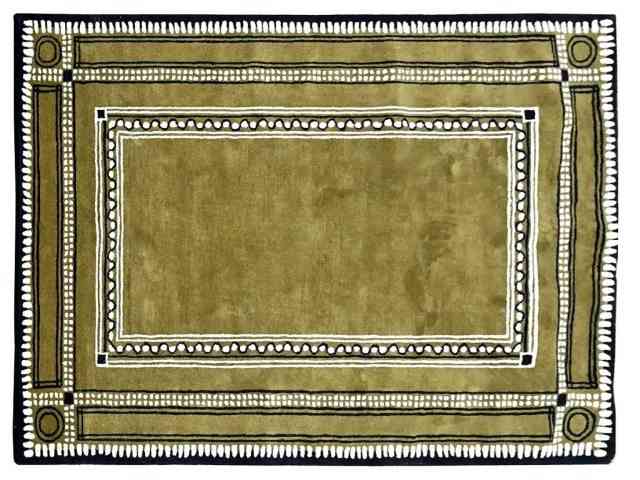
The best dining room rug shape depends on your table shape, room dimensions, and personal style. Rectangular rugs suit most dining rooms and offer maximum coverage. Round rugs complement circular tables. Square rugs work well in square rooms with square tables. All dining room rugs should extend at least 24 inches beyond each side of the table.
Picking a dining room rug sounds straightforward—until you're standing in a showroom surrounded by dozens of options and no idea where to start. The shape alone can change how your entire room feels. Get it right, and the rug ties everything together. Get it wrong, and even the most expensive rug looks out of place.
This guide breaks down the three main dining room rug shapes—round, rectangular, and square—so you can make a confident, informed choice before you buy rugs for your home.
Why Your Dining Room Rug Shape Matters More Than You Think
A rug does more than cover the floor. It defines the dining zone, softens sound, protects your flooring, and sets the visual tone for the room. Shape, in particular, influences how spacious or intimate a room feels.
A round rug in a rectangular room, for example, can feel awkward if the proportions are off. A rectangular rug that's too small makes a large dining table look like it's floating. Shape and scale work together—and both need to be right.
How to Read Your Dining Space Before Buying a Rug
Before choosing a rug shape, measure your room and your table.
Key dimensions to note:
-
The length and width of your dining table
-
The distance from the table edge to the nearest wall
-
The overall room dimensions
The most common sizing rule: your rug should extend at least 24 inches on all sides of the table. This ensures that when chairs are pulled out, the back legs remain on the rug. A chair that slides off the rug edge creates an uneven, uncomfortable experience—and it wears down your rug faster.
For a standard 6-seater rectangular dining table (roughly 36" x 72"), you'd need a rug of at least 8' x 10'. Always measure before you buy rugs—guessing almost always leads to returns.
Round Dining Room Rugs: When Do They Actually Work?
Round rugs work beautifully under round or oval dining tables. The circular shape mirrors the table above it, creating a cohesive, balanced look that feels intentional and visually calm.
Best fits for round rugs:
-
Circular or oval dining tables
-
Smaller dining nooks or breakfast areas
-
Rooms where you want to soften angular architecture
Round dining room rugs also work well in square rooms, where they break up the hard, boxy feel. However, they're rarely the best choice for long rectangular rooms—the shape contrast creates visual tension rather than harmony.
Sizing tip: For a round table that seats four (typically 42"–48" in diameter), a round rug of 8' in diameter is a solid starting point.
Rectangular Dining Room Rugs: The Most Versatile Choice
Rectangular rugs are the most popular choice for dining rooms—and for good reason. They align naturally with the shape of most dining tables and most rooms. They're also the easiest to size correctly.
Why rectangular rugs work:
-
They mirror the shape of standard rectangular or oblong dining tables
-
They define the dining zone clearly in open-plan spaces
-
They're available in the widest range of sizes, making it easier to find the right fit
In open-concept homes where the dining area flows into a living room or kitchen, a rectangular rug clearly marks the boundary of the dining space. This visual separation is useful both functionally and aesthetically.
Common sizes for rectangular dining room rugs:
-
6-seater table: 8' x 10'
-
8-seater table: 9' x 12'
-
10-seater table: 10' x 14'
Square Dining Room Rugs: A Modern, Balanced Option
Square rugs are less common but increasingly popular in contemporary interiors. They work best under square dining tables and in square rooms.
A square rug under a square table creates a strong sense of symmetry—everything lines up, and the room feels orderly and intentional. For home offices converted into dining spaces, or compact dining rooms with equal wall lengths, a square rug often looks more natural than a rectangular one.
Best fits for square rugs:
-
Square dining tables (seats 4–8, depending on table size)
-
Square rooms
-
Minimalist or modern interiors where clean geometry matters
One thing to keep in mind: square rugs in rectangular rooms can look off-center, especially if the room is long and narrow. Stick to square rugs when your floor plan supports them.
What Material Should Your Dining Room Rug Be Made Of?
Shape is important, but material determines how long your rug lasts and how easy it is to maintain—especially in a dining room, where spills are part of daily life.
Wool rugs are a strong choice for dining rooms. Wool fibers are naturally stain-resistant, durable, and comfortable underfoot. They hold their shape well over time and don't flatten easily under chair legs.
Silk rugs are stunning but better suited to low-traffic areas. They're harder to clean and more susceptible to wear in high-use spaces like dining rooms.
Flat-weave rugs (such as kilims or dhurries) are practical for dining rooms. They're easy to clean, lie flat, and don't create an uneven surface when chairs roll over them.
Handmade rugs—particularly those crafted in Bhadohi, India, one of the world's largest hand-knotted carpet weaving hubs—offer exceptional quality and longevity. Handmade Rugs in India are often made using traditional techniques passed down across generations, resulting in rugs that are dense, durable, and visually distinct from machine-made alternatives.
Color and Pattern: How to Make Your Rug Work with Your Décor
A dining room rug doesn't need to be bold—but it does need to be considered.
Neutral tones (ivory, beige, warm gray) offer flexibility. They work with most furniture finishes and don't compete with other design elements in the room.
Deeper tones (navy, terracotta, forest green) add warmth and depth. They're also more forgiving with food spills and everyday dirt.
Patterned rugs can anchor the dining space and add visual interest, especially in rooms with minimal artwork or décor. Geometric patterns, abstract designs, or traditional motifs all work well—just ensure the scale of the pattern suits the size of the rug.
A general rule: if your dining table and chairs are bold in design, choose a simpler rug. If your furniture is neutral, the rug can carry more personality.
Where to Buy Dining Room Rugs: Quality and Craftsmanship
When you're ready to buy rugs, prioritize quality over price. A well-made rug lasts decades. A cheap one wears out in a few years—and often looks worse with age.
For those seeking handcrafted quality, The Ambiente is worth considering. Based in Bhadohi, India—the heart of the hand-knotted carpet industry—The Ambiente specializes in handmade silk and wool rugs that combine traditional weaving methods with modern design. Founded by Avani Khandelwal, an MBA graduate with deep roots in the rug industry, the brand has served over 5,000 clients across India and internationally.
Their flagship store is located in Sultanpur, New Delhi, and their collection includes both ready-to-ship and bespoke options. With over 4,000 women artisans in their workforce, The Ambiente also supports sustainable livelihoods in the Bhadohi weaving community.
For those looking for authentic Handmade Rugs in India, The Ambiente offers a direct connection to skilled craftsmanship, fair pricing, and a wide range of styles suitable for dining rooms.
How to Make Sure Your Rug Completes the Look
Once you've chosen your shape, size, and material, a few final details make all the difference:
-
Use a rug pad. It prevents slipping, adds cushioning, and protects both your rug and your floor.
-
Center the rug under the table. It should be symmetrically placed, with equal overhang on all sides.
-
Check chair clearance. Pull out every chair and confirm the back legs stay on the rug. If they don't, size up.
-
Rotate the rug every 6–12 months. This distributes wear evenly, especially in high-traffic dining rooms.
Making the Right Call for Your Dining Room
The best dining room rug is the one that fits your table, suits your room, and holds up to daily use. Rectangular rugs are the safest, most versatile option for most homes. Round rugs shine under circular tables and in square rooms. Square rugs bring clean symmetry to the right space.
Before you buy rugs, measure carefully, consider your lifestyle, and invest in quality materials. A handmade rug—especially one crafted by skilled artisans using traditional techniques—will serve your home far longer than a mass-produced alternative.
If you're looking for dining room rugs that balance craftsmanship, design, and durability, explore The Ambiente's collection of handmade rugs at their New Delhi store or online.
Frequently Asked Questions
What size rug do I need for a 6-seater dining table?
For a standard 6-seater rectangular dining table (approximately 36" x 72"), you need a rug that is at least 8' x 10'. This ensures 24 inches of rug extend beyond the table on all sides, keeping chair legs on the rug even when pulled out.
Is a round or rectangular rug better for a dining room?
It depends on your table shape. Rectangular rugs work best with rectangular or oblong tables and suit most room layouts. Round rugs are ideal under round or oval tables and in square rooms. Rectangular rugs are the more versatile option overall.
What is the best material for a dining room rug?
Wool is widely considered the best material for dining room rugs. It is naturally stain-resistant, durable, and holds its shape under furniture. Flat-weave rugs are also a practical choice since they are easy to clean and lie flat under chairs.
Are handmade rugs worth buying for a dining room?
Yes. Handmade rugs—particularly Handmade Rugs in India crafted in Bhadohi—are made using densely knotted techniques that result in a much longer lifespan than machine-made rugs. They also improve in appearance over time with proper care.
How do I keep a dining room rug clean?
Vacuum regularly (at least once a week), and address spills immediately by blotting (not rubbing) with a clean cloth. Use a rug pad to prevent slipping and uneven wear. Rotate the rug every 6–12 months for even use. For deep cleaning, consult the rug manufacturer's care guidelines.
Can I use a patterned rug in a dining room?
Yes. Patterned dining room rugs add visual interest and are also practical—busier patterns hide minor stains and dirt more effectively than solid-colored rugs. Make sure the pattern scale suits the size of your rug and doesn't overwhelm the rest of the room.

 English
 Arabic
 French
 Spanish
 Portuguese
 Deutsch
 Turkish
 Dutch
Dutch
 Russian
 Romaian
 Portuguese (Brazil)
 Greek
Greek
