


 Downloader
 Free FTP
Promote Your Product
Got a product, service, or story to share? Promote it directly to our active community and boost your brand today.
Create an Ad
Publish Bulk Blog Posts
Boost Your Reach! 📝
Have articles, guest posts, or bulk stories to publish? Send your content directly to our editorial team and feature on our platform.
Email Us Your PostsCan Hard Water Cause Hair Loss? Understanding the Hidden Impact on Your Hair Health
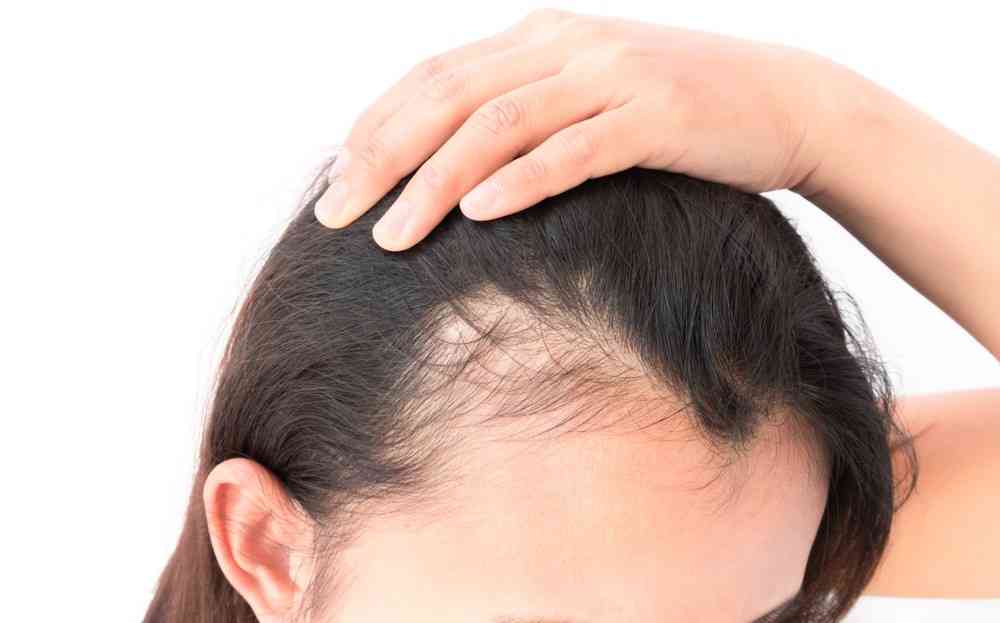
Hair loss is one of the most frustrating problems people face today. Whether it’s noticing extra strands in the shower drain, thinning around the hairline, or reduced hair volume over time, the experience can feel stressful and deeply personal. While genetics, stress, hormones, and diet are commonly blamed, another overlooked factor may be quietly affecting your hair every single day: hard water.
Many people live in areas where hard water flows from their taps without realizing how it impacts their scalp and hair quality. Over time, the minerals present in hard water can alter hair texture, weaken strands, irritate the scalp, and contribute to breakage that resembles shedding or thinning.
This has led many people to ask an important question: can hard water cause hair loss?
The answer is more complex than a simple yes or no. Hard water may not directly destroy hair follicles in the same way medical conditions do, but it can create an unhealthy environment for hair growth and significantly worsen existing hair concerns. Understanding the relationship between water quality and scalp health is essential for anyone trying to maintain strong, healthy hair.
What Is Hard Water?
Hard water contains a high concentration of dissolved minerals, primarily calcium and magnesium. As water travels through rocks and underground deposits, it absorbs these minerals naturally. While hard water is generally safe for drinking and household use, it can create noticeable effects on skin, appliances, and hair.
You may already recognize the signs of hard water in your home:
-
White residue on faucets and showerheads
-
Soap that doesn’t lather easily
-
Dry or itchy skin after bathing
-
Stiff or rough laundry fabrics
-
Hair that feels dry or tangled after washing
These mineral deposits don’t simply rinse away. Instead, they accumulate gradually on the scalp and hair shaft, affecting the overall condition of your hair over time.
How Hard Water Affects Hair
Hair thrives in a balanced and clean environment. When mineral-heavy water repeatedly coats the scalp and strands, it interferes with normal hair maintenance and hydration.
One of the biggest issues with hard water is buildup. Calcium and magnesium residues can remain on the scalp and hair even after rinsing. This buildup makes it difficult for moisture and nutrients to penetrate the hair shaft effectively.
As a result, hair may become:
-
Dry and brittle
-
More prone to tangling
-
Frizzy and dull
-
Difficult to style
-
Vulnerable to breakage
When hair breaks frequently, people often mistake it for true hair loss. Although the follicle itself may still be functioning, the visible thinning can feel just as concerning.
This is one reason the question can hard water cause hair loss continues to gain attention among dermatologists and hair care experts.
The Link Between Hard Water and Scalp Health
Healthy hair starts with a healthy scalp. Unfortunately, hard water can disrupt scalp balance in several ways.
Mineral deposits may clog pores and leave behind residue that irritates sensitive skin. Some individuals experience dryness, flaking, itchiness, or inflammation after repeated exposure to hard water. For people already dealing with dandruff, eczema, or scalp sensitivity, the problem can become even worse.
An irritated scalp may struggle to support optimal hair growth. Excessive dryness can weaken hair at the roots, while inflammation may interfere with the natural growth cycle.
In many cases, hair loss due to hard water develops gradually. Individuals may first notice rough texture or increased tangling before seeing excessive shedding or reduced density months later.
Can Hard Water Cause Hair Loss Permanently?
This is one of the most common concerns people have when discussing water quality and hair thinning.
In most cases, hard water alone does not permanently damage hair follicles. However, prolonged exposure can weaken hair significantly and worsen other underlying conditions contributing to shedding.
For example, if someone already has:
-
Genetic hair thinning
-
Hormonal imbalances
-
Nutritional deficiencies
-
Stress-related shedding
-
Scalp disorders
Then hard water may intensify the symptoms and accelerate visible thinning.
The good news is that once the source of damage is identified and addressed, many people notice improvements in hair texture, manageability, and overall appearance. Hair may regain strength when proper scalp care and hydration are restored.
Signs Your Hair Problems May Be Related to Hard Water
Not everyone experiences the same symptoms. However, several common indicators suggest that water quality could be affecting your hair health.
1. Hair Feels Waxy After Washing
If your hair never feels fully clean despite regular shampooing, mineral buildup may be preventing proper cleansing.
2. Increased Hair Breakage
Hair that snaps easily while brushing or styling may be weakened by hard water deposits.
3. Persistent Dryness
Even conditioning treatments may seem ineffective when minerals block moisture absorption.
4. Scalp Irritation
Itchy, flaky, or tight-feeling scalp conditions often worsen with mineral-heavy water exposure.
5. Dull Appearance
Hard water frequently strips hair of shine and softness, leaving it rough and lifeless.
When several of these symptoms appear together, it becomes easier to understand why many people suspect hair loss due to hard water as a contributing factor.
Why Hard Water Makes Hair Care Products Less Effective
Another overlooked problem with hard water is its interaction with shampoos and conditioners.
Minerals in hard water reduce the effectiveness of cleansing agents, making it harder for shampoo to create a rich lather. This means dirt, oil, and product residue may not be removed properly.
Conditioners also struggle to penetrate the hair shaft when mineral deposits coat the strands. As a result, even premium hair products may fail to deliver expected results.
Many people spend large amounts of money on expensive treatments without realizing their water quality is undermining their efforts.
Scientific Perspective on Hard Water and Hair Loss
Research on hard water and hair loss is still developing, but several studies have explored how mineral-heavy water impacts hair fibers.
Studies suggest that repeated washing with hard water may cause:
-
Surface roughness of hair strands
-
Reduced tensile strength
-
Increased friction between hair fibers
-
Greater likelihood of breakage
Although direct follicle destruction has not been conclusively proven, weakened strands and poor scalp conditions clearly contribute to unhealthy-looking hair.
This distinction is important. The question “can hard water cause hair loss” often refers to visible thinning and excessive shedding rather than permanent follicle death.
In practical terms, if hair becomes fragile enough to break continuously, the cosmetic result still resembles hair loss for most individuals.
How to Protect Your Hair from Hard Water
Fortunately, there are several effective ways to minimize the impact of hard water on hair health.
Install a Water Softener
A water softener removes excess calcium and magnesium from household water. This is one of the most effective long-term solutions for people living in hard water regions.
Use a Clarifying Shampoo
Clarifying shampoos help remove mineral buildup from the scalp and hair shaft. However, they should be used carefully because excessive use may cause dryness.
Try a Chelating Shampoo
Chelating shampoos are specifically designed to bind with minerals and wash them away effectively.
Rinse with Filtered or Bottled Water
Some individuals use filtered water for their final rinse to reduce mineral residue after washing.
Deep Condition Regularly
Hydrating masks and conditioners can restore moisture and improve elasticity in hair weakened by hard water.
Avoid Excessive Heat Styling
Hair already stressed by mineral buildup becomes more vulnerable to heat damage from blow dryers and straighteners.
Natural Remedies That May Help
Several natural methods may also support healthier hair in hard water environments.
Apple Cider Vinegar Rinse
Diluted apple cider vinegar may help remove buildup while restoring scalp pH balance.
Aloe Vera
Aloe vera can soothe scalp irritation and improve hydration naturally.
Coconut Oil
Applying coconut oil before washing may reduce protein loss and protect hair strands.
Rosemary Oil
Rosemary oil is often used to support scalp circulation and overall hair health.
While natural remedies alone may not completely reverse hair loss due to hard water, they can complement a broader hair care strategy.
Who Is Most Vulnerable to Hard Water Hair Damage?
Certain individuals may experience stronger reactions to hard water exposure than others.
People with the following hair types often notice symptoms more quickly:
-
Curly hair
-
Color-treated hair
-
Chemically processed hair
-
Fine or thin hair
-
Naturally dry hair
Damaged or porous hair absorbs minerals more easily, making buildup and dryness worse over time.
The Emotional Side of Hair Loss
Hair loss affects more than appearance. It can impact confidence, social comfort, and emotional well-being. Many people feel frustrated after trying countless products without seeing improvement.
Because hard water is often invisible and rarely discussed, it may go unnoticed for years. Once identified, however, addressing water quality can become an important step toward healthier hair habits.
Understanding potential environmental triggers empowers people to make smarter decisions about scalp care and overall hair maintenance.
Final Thoughts
So, can hard water cause hair loss?
While hard water may not directly destroy hair follicles, it can absolutely contribute to conditions that weaken hair, increase breakage, irritate the scalp, and worsen existing thinning issues. Over time, mineral buildup can leave hair dry, fragile, and difficult to manage.
For many people, hair loss due to hard water becomes noticeable gradually through increased shedding, dullness, scalp discomfort, and poor hair texture.
The encouraging news is that these effects are often manageable. With the right combination of scalp care, hydration, cleansing products, and water treatment solutions, it is possible to reduce damage and improve hair quality significantly.
If you suspect your water may be affecting your hair, paying attention to the signs early can help you protect your scalp and maintain stronger, healthier hair in the long run.

 English
 Arabic
 Spanish
 Portuguese
 Deutsch
 Turkish
 Dutch
Dutch
 Italiano
 Russian
 Romaian
 Portuguese (Brazil)
 Greek
Greek
