


 Downloader
 Free FTP
Promote Your Product
Got a product, service, or story to share? Promote it directly to our active community and boost your brand today.
Create an Ad
Publish Bulk Blog Posts
Boost Your Reach! 📝
Have articles, guest posts, or bulk stories to publish? Send your content directly to our editorial team and feature on our platform.
Email Us Your PostsDisposable Resuscitator for Emergency Airway Support
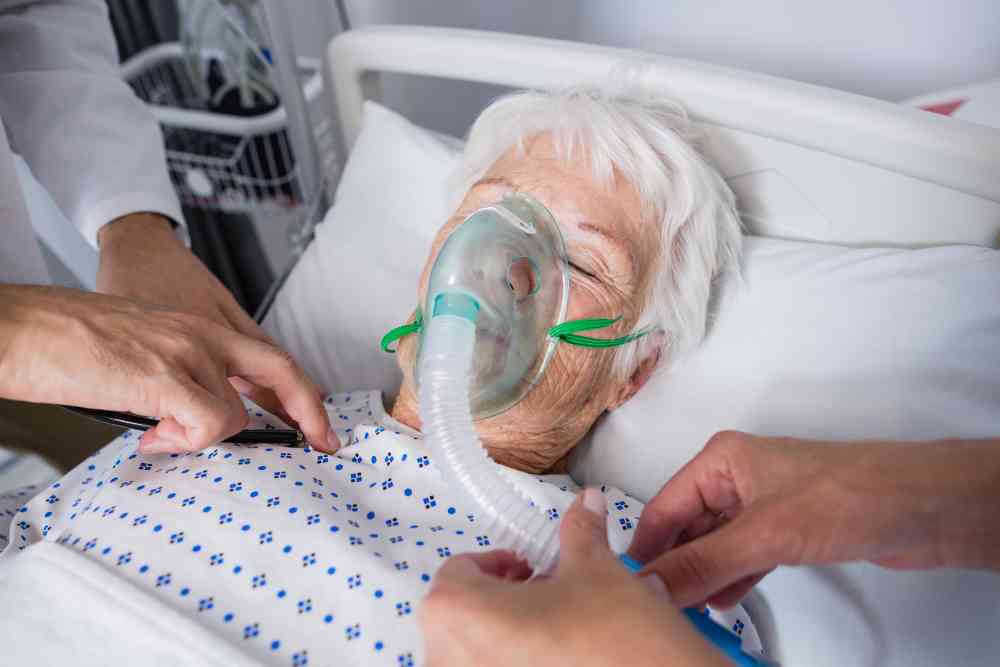
Disposable Resuscitator: A Practical Guide for Emergency Patient Support
Emergency care situations require quick response, prepared equipment, and safe airway support when a patient has difficulty breathing.
A Disposable Resuscitator is used to support manual ventilation in emergency, clinical, ambulance, and patient care environments.
For healthcare teams, having the right resuscitation equipment available can make emergency response more organised and effective.
In medical settings, respiratory support is one of the most important parts of emergency care. Patients may need ventilation assistance during cardiac arrest, respiratory distress, trauma, anaesthesia recovery, or other critical situations. A disposable resuscitator helps healthcare professionals deliver air manually when normal breathing is inadequate or interrupted.
Because emergency situations can happen without warning, clinics, hospitals, aged care facilities, ambulances, and treatment rooms need suitable resuscitation supplies ready for use. Disposable options are especially useful where hygiene, single-patient use, and infection control are important.
What Is a Disposable Resuscitator?
A disposable resuscitator is a manual breathing assistance device designed for single-patient use. It is commonly used by trained healthcare professionals to provide positive pressure ventilation when a patient cannot breathe effectively on their own.
It usually includes a self-inflating bag, patient valve, mask connection, and oxygen connection features depending on the design. When the bag is squeezed, air or oxygen is pushed into the patient’s airway through a mask or airway device.
The main purpose is to support breathing during emergency care. It is not a replacement for professional medical assessment, but it is an important tool in urgent respiratory support.
Why Disposable Resuscitators Are Important
Disposable resuscitators are important because they help provide immediate ventilation support during critical care situations. In emergencies, waiting for advanced equipment may not always be possible, so manual ventilation tools must be accessible.
They are also useful for infection control. Since disposable resuscitators are designed for single-patient use, they can help reduce the risk of cross-contamination compared with reusable devices that require strict cleaning and sterilisation.
This makes them valuable in hospitals, emergency departments, ambulances, general practices, dental clinics, aged care facilities, and first response environments.
Where Disposable Resuscitators Are Used
Disposable resuscitators are used in many healthcare and emergency care settings. Hospitals may keep them in emergency rooms, operating theatres, intensive care units, recovery rooms, and ward emergency trolleys.
Ambulance and paramedic teams may use them during pre-hospital care when patients need breathing assistance before reaching the hospital.
Clinics and medical centres may keep resuscitators as part of emergency preparedness supplies. Dental clinics and procedural rooms may also require airway support equipment for patient safety planning.
Aged care facilities and care homes may include resuscitators in emergency response kits where trained staff are available.
Key Benefits of Disposable Resuscitators
One major benefit is readiness. Disposable resuscitators can be stored for emergency use and accessed quickly when needed.
Another benefit is hygiene. Since they are intended for single use, they can help support infection control procedures and reduce cleaning requirements.
They also support portability. Many disposable resuscitators are lightweight and easy to include in emergency kits, response bags, and clinical storage areas.
Another benefit is consistency. Having standard resuscitation equipment available helps healthcare teams respond faster and work with familiar emergency tools.
Disposable Resuscitator and Infection Control
Infection control is a major concern in healthcare environments. Emergency breathing support involves close contact with the patient’s airway, which may expose staff and equipment to respiratory fluids or contaminants.
Disposable resuscitators help reduce reuse-related contamination risks because they are used for one patient and then disposed of according to workplace policy.
However, proper handling is still important. Staff should follow hygiene protocols, wear appropriate personal protective equipment, and dispose of used devices safely after use.
How Disposable Resuscitators Support Emergency Preparedness
Emergency preparedness means having the right equipment ready before an emergency happens. A disposable resuscitator is one of the supplies commonly included in emergency response planning.
Facilities should check stock regularly, ensure packaging remains intact, and confirm that devices are stored in accessible locations. Staff should also be trained in proper use and emergency response procedures.
A well-prepared facility can respond more confidently when urgent respiratory support is needed. This can help reduce delays and improve workflow during high-pressure situations.
Choosing the Right Disposable Resuscitator
Choosing the right resuscitator depends on patient type, clinical setting, oxygen compatibility, storage needs, and workplace requirements. Adult, child, and infant resuscitators may differ in size and volume, so selecting the correct option is important.
The device should be suitable for the intended environment. Emergency departments may need multiple sizes and backup stock, while clinics may require adult resuscitators as part of general emergency supplies.
Facilities should also consider ease of use, packaging, visibility, and compatibility with masks or oxygen supply systems where applicable.
Proper Use Requires Training
A disposable resuscitator should be used by trained healthcare professionals or trained responders. Manual ventilation requires correct technique, airway positioning, mask seal, and patient monitoring.
Incorrect use may reduce ventilation effectiveness or create additional risks. Training helps staff understand when and how to use the device, how to check the airway, and how to coordinate emergency care.
Healthcare facilities should include resuscitator use in emergency training, simulation drills, and equipment checks.
Common Mistakes to Avoid
One common mistake is storing emergency equipment without regular inspection. Packaging, expiry dates, and stock levels should be checked.
Another mistake is choosing the wrong size for the patient. Adult, paediatric, and infant patients require appropriate devices.
Poor mask seal is also a common issue. If the mask does not fit properly, ventilation may be less effective.
Some facilities may also fail to train staff regularly. Emergency equipment is only useful when trained people know how to use it correctly.
Why Stock Management Matters
Disposable resuscitators are emergency supplies, so facilities should avoid running out. Stock should be reviewed based on facility size, patient volume, risk level, and emergency policy.
Emergency trolleys, treatment rooms, ambulances, and clinical storage areas should remain properly supplied. Replacing used or expired devices should be part of routine stock management.
Reliable supply planning helps healthcare teams stay prepared and reduce last-minute shortages.
Why Reliable Medical Suppliers Matter
Healthcare facilities need dependable access to emergency, clinical, hygiene, and patient care products. When emergency supplies are delayed or unavailable, patient care workflows can be affected.
Choosing a reliable supplier helps clinics, hospitals, and care environments maintain readiness. Near the bottom of a medical supply plan, working with livingstone international can support access to healthcare, emergency care, infection control, and clinical supplies for professional environments.
Conclusion
A disposable resuscitator is an important emergency care device used to support manual ventilation when a patient needs breathing assistance. It helps healthcare teams respond to respiratory distress, emergency situations, and critical care needs with greater preparedness.
Its single-use design supports hygiene and infection control, while its practical structure makes it useful across hospitals, clinics, ambulances, aged care facilities, and emergency response areas.
For best results, facilities should choose suitable resuscitators, store them properly, check stock regularly, and ensure trained staff understand correct use. When included in a strong emergency preparedness system, disposable resuscitators play a valuable role in safer patient care and clinical response planning.

 English
 Arabic
 French
 Portuguese
 Deutsch
 Turkish
 Dutch
Dutch
 Italiano
 Russian
 Romaian
 Portuguese (Brazil)
 Greek
Greek
