


 Downloader
 Free FTP
Promote Your Product
Got a product, service, or story to share? Promote it directly to our active community and boost your brand today.
Create an Ad
Publish Bulk Blog Posts
Boost Your Reach! 📝
Have articles, guest posts, or bulk stories to publish? Send your content directly to our editorial team and feature on our platform.
Email Us Your PostsViking's Disease and Hand Contracture: A Complete Guide
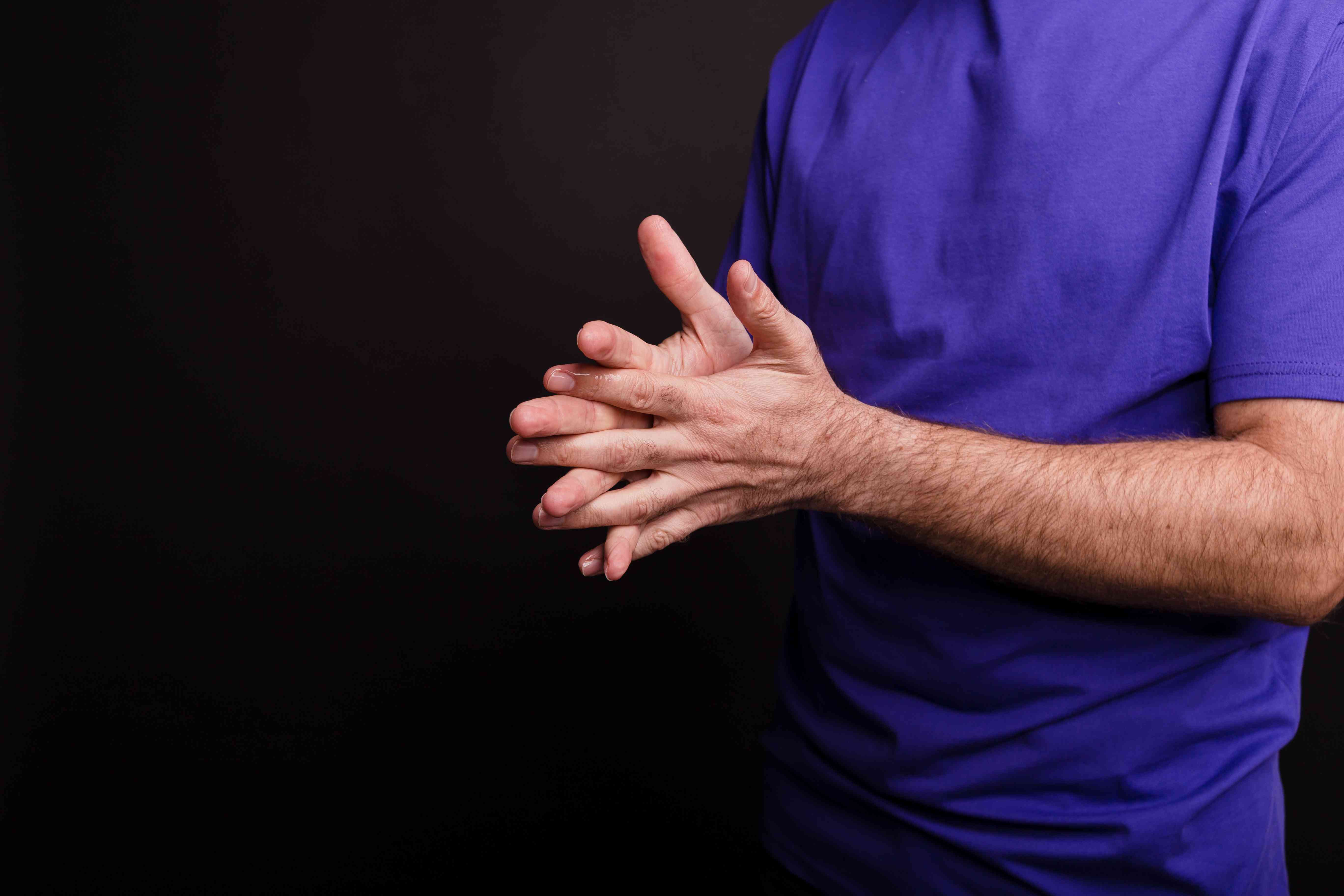
Hand health plays a major role in our daily lives. From writing and typing to cooking and carrying objects, we rely on our hands for countless tasks. When a condition begins to limit finger movement and hand function, even simple activities can become challenging. One such condition is Viking's disease, a hand disorder that gradually affects the connective tissue beneath the skin of the palm.
Although the name may sound unusual, Viking's disease is a well-known condition in the medical community. It is often associated with a progressive hand contracture that causes one or more fingers to bend toward the palm. Understanding the causes, symptoms, and treatment options can help individuals manage the condition and maintain better hand mobility.
In this complete guide, we will explore everything you need to know about viking hand disorder, including its symptoms, risk factors, diagnosis, and available treatments.
What Is Viking's Disease?
Viking's disease is another name for Dupuytren's contracture, a condition that affects the fascia, a layer of tissue located beneath the skin of the palm and fingers. Over time, this tissue thickens and tightens, forming cords that pull the fingers inward.
The condition most commonly affects the ring finger and little finger, although other fingers can also become involved. As the disease progresses, straightening the affected fingers becomes increasingly difficult.
The term dupuytren's viking disease originated because the condition is believed to have been more common among people of Northern European descent, particularly those with Scandinavian ancestry.
Understanding Hand Contracture
A hand contracture occurs when tissues in the hand become shortened or tightened, restricting normal movement. In the case of viking syndrome hand, the contracture develops gradually as fibrous cords form under the skin.
Initially, a person may notice a small lump or nodule in the palm. Over months or years, these nodules can develop into thick bands of tissue that pull the fingers toward the palm.
The progression rate varies from person to person. Some individuals experience only mild symptoms, while others develop significant finger contractures that interfere with daily activities.
Causes of Viking's Disease
The exact cause of viking's disease remains unclear. However, researchers believe that genetic and environmental factors both contribute to its development.
Common factors associated with the condition include:
Genetics
Family history is one of the strongest risk factors. People with close relatives who have the condition are more likely to develop it themselves.
Age
The condition is more common in adults over the age of 50. The risk increases as people get older.
Gender
Men tend to develop viking hand disorder more frequently than women and often experience more severe symptoms.
Ancestry
Individuals of Northern European descent appear to have a higher incidence of the disease, which explains the nickname dupuytren's viking disease.
Lifestyle Factors
Certain lifestyle habits may increase the risk, including:
-
Smoking
-
Excessive alcohol consumption
-
Poor circulation
-
Repetitive hand stress
While these factors may contribute, they do not directly cause the condition.
Symptoms of Viking's Disease
Symptoms often develop slowly and may go unnoticed during the early stages.
Early Symptoms
The first signs may include:
-
Small lumps in the palm
-
Thickened skin
-
Mild tenderness
-
Tightness in the hand
Many people mistake these early signs for simple calluses or harmless bumps.
Progressive Symptoms
As the condition advances, symptoms may include:
-
Formation of thick cords beneath the skin
-
Difficulty placing the hand flat on a table
-
Fingers bending toward the palm
-
Reduced finger flexibility
-
Decreased grip function
These symptoms are typical of viking syndrome hand and can gradually interfere with everyday tasks.
Advanced Symptoms
In severe cases, individuals may experience:
-
Permanent finger bending
-
Difficulty shaking hands
-
Problems wearing gloves
-
Challenges with personal care activities
-
Reduced hand function
Early recognition can help prevent significant contracture development.
Who Is Most at Risk?
Several factors increase the likelihood of developing viking's disease.
You may be at higher risk if you:
-
Are over 50 years old
-
Have a family history of the condition
-
Are male
-
Have Northern European ancestry
-
Smoke regularly
-
Consume alcohol frequently
-
Have diabetes
Having one or more risk factors does not guarantee that you will develop the condition, but it may increase susceptibility.
How Is Viking's Disease Diagnosed?
Diagnosis typically begins with a physical examination.
A healthcare provider may:
-
Examine the palm for nodules
-
Assess finger movement
-
Check hand flexibility
-
Perform the tabletop test
The tabletop test involves placing the hand flat on a surface. If the hand cannot lie completely flat, it may indicate a contracture.
Imaging tests are usually not necessary because the condition can often be diagnosed through physical examination alone.
Stages of Viking's Disease
Stage 1: Nodule Formation
Small lumps develop beneath the skin. Hand function remains largely unaffected.
Stage 2: Cord Development
Fibrous cords begin forming and extend into the fingers.
Stage 3: Finger Contracture
The cords tighten, causing one or more fingers to bend toward the palm.
Stage 4: Severe Contracture
Significant hand deformity develops, limiting function and mobility.
Understanding these stages can help patients monitor progression and seek treatment at the appropriate time.
Treatment Options for Viking's Disease
Treatment depends on symptom severity and the extent of finger contracture.
Observation and Monitoring
For mild cases, healthcare providers may recommend regular monitoring without immediate intervention.
This approach is often suitable when:
-
Contracture is minimal
-
Hand function remains normal
-
Symptoms are not progressing rapidly
Hand Therapy
Hand therapy can help maintain flexibility and improve function.
Therapists may recommend:
-
Stretching exercises
-
Range-of-motion exercises
-
Splinting
-
Strengthening activities
Although therapy cannot eliminate the underlying condition, it may improve comfort and mobility.
Needle Aponeurotomy
This minimally invasive procedure uses a small needle to break apart the fibrous cords causing finger contracture.
Benefits include:
-
Quick recovery
-
Minimal scarring
-
Outpatient treatment
However, recurrence can occur over time.
Collagenase Injections
Collagenase is an enzyme that helps dissolve the cords responsible for finger contracture.
After the injection, a healthcare provider manipulates the finger to break the weakened cord.
Advantages include:
-
Non-surgical treatment
-
Short recovery period
-
Improved finger movement
Surgery
Surgery may be recommended for advanced viking hand disorder when finger contractures significantly affect daily life.
Common surgical procedures include:
-
Fasciectomy
-
Dermofasciectomy
-
Segmental fasciectomy
The goal is to remove or release the diseased tissue and restore finger extension.
Recovery may involve physical therapy and several months of rehabilitation.
Can Viking's Disease Be Prevented?
There is currently no guaranteed method to prevent dupuytren's viking disease. However, maintaining overall hand health may be beneficial.
Helpful practices include:
-
Avoiding tobacco use
-
Limiting alcohol consumption
-
Managing diabetes effectively
-
Performing regular hand stretches
-
Protecting hands from repetitive strain
While these measures cannot eliminate risk, they may support overall hand function.
Living with Viking's Disease
Many people successfully manage viking syndrome hand and continue to lead active lives.
Practical tips include:
Maintain Hand Mobility
Gentle stretching exercises may help maintain flexibility and reduce stiffness.
Monitor Changes
Keep track of any changes in finger position or hand function.
Use Adaptive Tools
Specialized tools and ergonomic devices can make daily activities easier.
Seek Early Medical Advice
Early intervention often provides more treatment options and may improve outcomes.
Emotional Impact of the Condition
Hand contractures can affect more than physical function. Some individuals experience frustration, anxiety, or reduced confidence when symptoms interfere with work or hobbies.
Seeking support from healthcare professionals, therapists, or support groups can help individuals cope with the emotional challenges associated with the condition.
Frequently Asked Questions
Is Viking's Disease Painful?
Many people experience little or no pain. However, tenderness may occur during the early stages when nodules first develop.
Is Viking's Disease the Same as Dupuytren's Contracture?
Yes. Viking's disease is a common nickname for Dupuytren's contracture.
Can Exercises Cure the Condition?
Exercises cannot cure the disease, but they may help maintain flexibility and improve hand function.
Does the Condition Always Worsen?
Not necessarily. Some individuals experience very slow progression, while others develop more significant contractures over time.
Can the Disease Return After Treatment?
Yes. Recurrence is possible even after successful treatment, particularly in individuals with strong genetic risk factors.
Final Thoughts
Viking's disease is a progressive condition that affects the connective tissue of the hand, leading to finger contractures and reduced mobility. Also known as dupuytren's viking disease, this condition can range from mild palm nodules to significant hand deformity.
Understanding the symptoms, risk factors, and available treatments is essential for maintaining hand function and quality of life. Whether you are experiencing early signs of viking hand disorder or seeking information about viking syndrome hand, timely evaluation and appropriate care can make a meaningful difference.
With advances in medical treatment and hand therapy, many individuals can successfully manage symptoms and continue enjoying their daily activities with improved comfort and mobility.

 English
 Arabic
 French
 Spanish
 Portuguese
 Deutsch
 Turkish
 Dutch
Dutch
 Russian
 Romaian
 Portuguese (Brazil)
 Greek
Greek
