


 Downloader
 Free FTP
Promote Your Product
Got a product, service, or story to share? Promote it directly to our active community and boost your brand today.
Create an Ad
Publish Bulk Blog Posts
Boost Your Reach! 📝
Have articles, guest posts, or bulk stories to publish? Send your content directly to our editorial team and feature on our platform.
Email Us Your PostsKnow All About PVD Coating (Physical Vapor Deposition)
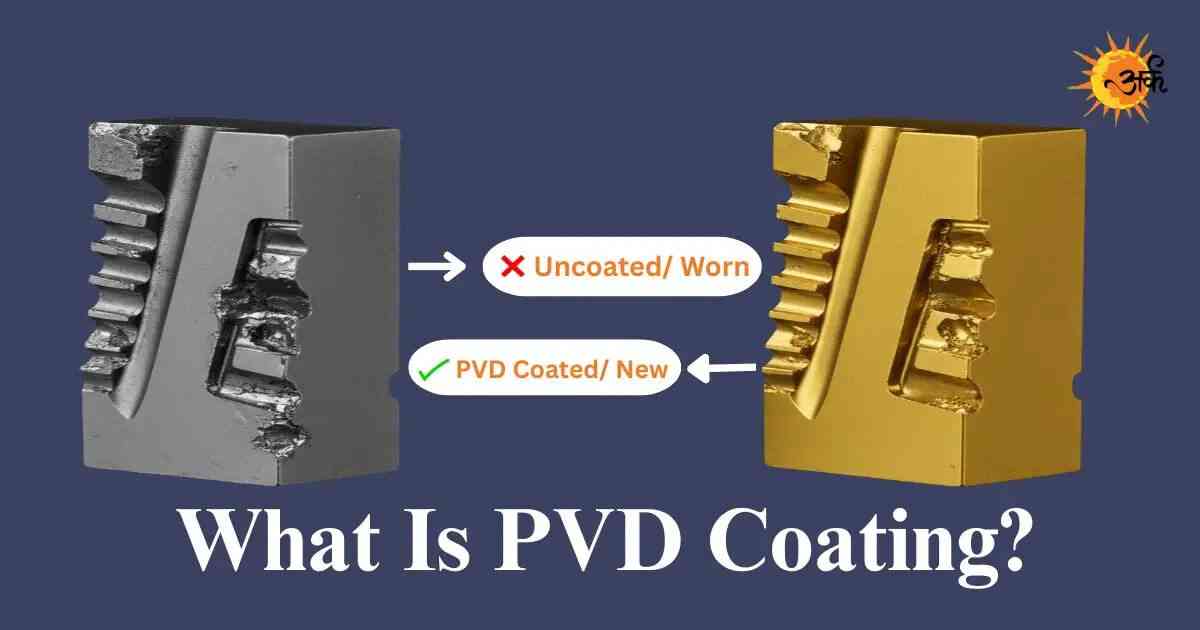
In modern manufacturing and engineering, surface performance is just as important as the core material. Tools and components are constantly exposed to heat, friction, corrosion, and wear, which can reduce efficiency and increase operational costs. To overcome these challenges, industries rely on advanced surface technologies like PVD coating.
This comprehensive guide covers everything you need to know—what is PVD coating, how it works, its types, uses, and benefits in industrial applications.
What is PVD Coating?
Physical Vapor Deposition (PVD) Coating is a vacuum-based coating process in which a solid material is vaporized and deposited onto a surface as a thin, hard layer. This coating is typically between 1 to 5 microns thick but significantly enhances surface properties.
PVD coating improves hardness, wear resistance, corrosion resistance, and heat stability without altering the core structure of the component. Because of these advantages, it is widely used as a hard coating for industrial tools.
How Does the PVD Coating Process Work?
The PVD coating process is carried out in a controlled vacuum chamber and involves several key steps.
First, the component is thoroughly cleaned to remove oil, dust, and contaminants. This ensures strong adhesion of the coating. The cleaned parts are then placed inside a vacuum chamber where the air is removed to create a controlled environment.
Next, the coating material is heated or ionized until it turns into vapor. This vapor then condenses onto the surface of the component, forming a thin, uniform coating layer. Finally, the coated parts are cooled and inspected to ensure quality and consistency.
This precise process ensures high-performance coatings with excellent adhesion and durability.
Types of PVD Coating
There are several types of PVD coatings available, each designed for specific industrial needs.
-
Titanium Nitride (TiN) Coating – A general-purpose coating with high hardness and low friction, widely used for cutting tools
-
Titanium Aluminium Nitride (AlTiN) – Ideal for high-temperature applications and heavy-duty machining
-
Aluminium Chromium Nitride (AlCrN) – Known for excellent oxidation resistance and thermal stability
-
TiSiN – A nano-composite coating for extreme machining conditions
-
DLC (Diamond-Like Carbon) – Provides ultra-low friction and high wear resistance
Each coating offers unique advantages depending on the application and operating conditions.
Uses of PVD Coating
PVD coating is widely used across various industries due to its versatility and effectiveness.
In the machining industry, it is applied to cutting tools such as drills, taps, inserts, and end mills to improve durability and performance. In die and mold applications, PVD coatings reduce wear and extend tool life under high pressure and temperature.
In the automotive industry, PVD coating is used on engine components and precision parts to reduce friction and improve efficiency. Aerospace applications benefit from its heat resistance and reliability under extreme conditions.
Additionally, PVD coating is used in decorative applications such as watches, jewelry, and architectural hardware due to its attractive and durable finish.
Benefits of PVD Coating
One of the most significant benefits of PVD coating is increased hardness, which protects surfaces from wear and abrasion. This leads to extended tool life and reduced replacement costs.
Another major advantage is reduced friction, which improves efficiency and minimizes heat generation during operations. This results in smoother performance and better surface finish.
PVD coatings also provide excellent heat and oxidation resistance, making them suitable for high-temperature applications. Additionally, they offer corrosion resistance, protecting components from environmental damage.
Overall, these benefits help reduce downtime, improve productivity, and lower maintenance costs.
PVD Coating Service in India
With growing industrial demand, many providers now offer advanced PVD coating service in India. These services use modern equipment and expertise to deliver high-quality coatings tailored to specific requirements.
Choosing a reliable coating service ensures proper surface preparation, uniform coating thickness, and long-lasting performance. This is essential for achieving the full benefits of PVD coating.
PVD Coating Price
The cost of PVD coating depends on several factors, including the type of coating, component size, coating thickness, and quantity. While the initial investment may seem higher than uncoated tools, PVD coating offers long-term cost savings.
By extending tool life, reducing maintenance, and improving efficiency, it proves to be a cost-effective solution for industries.
Why PVD Coating is Important in Modern Industry
PVD coating has become an essential technology for industries aiming to improve performance and reduce costs. Its ability to enhance surface properties without affecting the base material makes it highly effective.
From Cutting tools and dies to automotive and aerospace components, PVD coating plays a crucial role in modern manufacturing. As industries continue to evolve, the demand for high-performance coatings like PVD will only increase.
Conclusion
Understanding what is PVD coating and its process, types, uses, and benefits helps industries make informed decisions. This advanced coating technology provides a reliable way to enhance durability, improve efficiency, and reduce operational costs.
Whether applied to cutting tools, dies, molds, or precision components, PVD coating delivers consistent and long-lasting results. It remains one of the most important surface engineering solutions in today’s industrial world.

 English
 Arabic
 French
 Spanish
 Portuguese
 Deutsch
 Dutch
Dutch
 Italiano
 Russian
 Romaian
 Portuguese (Brazil)
 Greek
Greek
