


 Downloader
 Free FTP
Promote Your Product
Got a product, service, or story to share? Promote it directly to our active community and boost your brand today.
Create an Ad
Publish Bulk Blog Posts
Boost Your Reach! 📝
Have articles, guest posts, or bulk stories to publish? Send your content directly to our editorial team and feature on our platform.
Email Us Your PostsDisposable Resuscitator Guide for Emergency Care
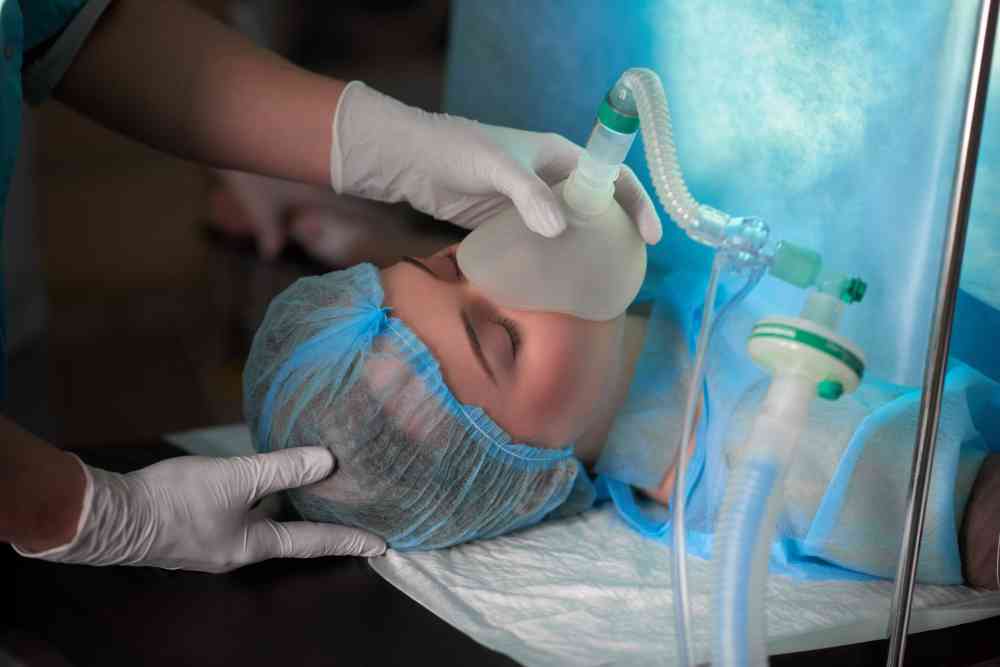
Disposable Resuscitator Guide for Emergency Breathing Support
Emergency care situations require quick access to reliable equipment that supports airway and breathing assistance when required. A Disposable Resuscitator is designed for single-use respiratory support in clinical, emergency, and first-aid environments where hygiene, readiness, and practical handling are important.
In medical settings, time and preparation matter. Equipment used for emergency response should be easy to locate, simple for trained professionals to use, and suitable for controlled care procedures. Disposable resuscitators help support these needs by offering a ready-to-use option that can reduce cleaning requirements after use and support infection control practices.
What Is a Disposable Resuscitator?
A disposable resuscitator is a manual breathing support device used by trained healthcare professionals to help provide ventilation assistance when a person is not breathing adequately. It is commonly known as a bag-valve-mask system or manual resuscitation bag.
The device usually includes a self-inflating bag, valve system, mask, and oxygen connection options, depending on the specific product design. When squeezed by a trained user, the bag helps deliver air or oxygen through the mask to support breathing.
The disposable design means the device is intended for single-patient use and should be discarded according to workplace procedures after use. This helps reduce the need for reprocessing and can support better hygiene practices in busy healthcare environments.
Why Disposable Resuscitators Are Important
Emergency breathing support is a critical part of patient care in many settings. Hospitals, clinics, ambulances, first-aid rooms, aged care facilities, and emergency response areas may need quick access to resuscitation equipment.
A disposable resuscitator can help support readiness because it is designed for immediate use when required. In urgent situations, having suitable equipment available can help trained staff respond more efficiently.
The single-use nature of disposable resuscitators also supports infection control. Reusable equipment must be cleaned, disinfected, and maintained properly after each use. Disposable options reduce the risk linked with improper cleaning or incomplete reprocessing, especially in high-pressure environments.
However, these devices should only be used by trained individuals who understand airway management, ventilation technique, and facility protocols.
Common Settings Where Disposable Resuscitators Are Used
Disposable resuscitators are used across different healthcare and emergency response environments. In hospitals, they may be available in emergency departments, operating rooms, intensive care units, recovery areas, and general wards.
Clinics and medical practices may keep them as part of emergency response equipment. Aged care facilities and first-aid rooms may also include resuscitation devices in emergency preparedness kits.
Ambulance services and mobile healthcare teams may use disposable resuscitators because they are practical, portable, and suitable for single-patient care. Their ready-to-use format can be helpful in situations where quick response and hygiene are both important.
They may also be included in training environments, depending on product suitability and training requirements. Training should always use appropriate equipment and follow relevant clinical guidance.
Key Features to Consider
When selecting a disposable resuscitator, healthcare teams should consider product size, intended patient group, mask fit, bag capacity, valve function, oxygen compatibility, and packaging. Adult, paediatric, and infant versions may differ, so choosing the correct type is important.
A good mask fit is essential for effective ventilation support. If the mask does not seal properly, air leakage may occur. Trained users should know how to position the mask and manage the airway correctly.
The self-inflating bag should be easy to compress and return to shape. This supports smoother operation during use. Valve design is also important because it helps control airflow direction.
Clear packaging and easy storage are practical features in emergency environments. Staff should be able to identify the correct product quickly and check whether it is ready for use.
Role in Infection Control
Infection control is a major concern in healthcare environments. Devices that come into contact with the airway, face, or respiratory secretions must be managed carefully. Disposable resuscitators can support infection control by reducing the need for reuse between patients.
After use, the device should be disposed of according to clinical waste and facility guidelines. Staff should wear appropriate personal protective equipment when handling used devices, especially if contamination risk is present.
Disposable products can also reduce the workload linked with cleaning and sterilisation. This may help teams maintain smoother workflows, particularly in emergency departments or high-use areas.
Still, disposable design does not remove the need for correct handling. Storage, inspection, use, and disposal should all follow workplace procedures.
Importance of Training and Correct Use
A resuscitator is not a general-use item. It should be used by trained healthcare professionals or trained first responders who understand how to provide ventilation support safely.
Correct use requires knowledge of airway positioning, mask sealing, ventilation rate, pressure control, and patient monitoring. Incorrect technique may reduce effectiveness or create additional risk.
Training helps users understand when and how the device should be used. It also supports confidence during emergency situations, where clear action and correct technique are essential.
Facilities should include resuscitator use in emergency drills and training programs where appropriate. Staff should also know where devices are stored and how to check them quickly.
Storage and Readiness
Emergency equipment should be stored in a clean, accessible, and clearly marked location. Disposable resuscitators should remain sealed in their packaging until needed. This helps maintain cleanliness and product readiness.
Regular checks are important. Facilities should review stock levels, packaging condition, expiry dates if applicable, and placement in emergency carts or kits. Damaged packaging or expired products should be replaced according to facility policy.
Good storage planning helps reduce delays during emergency response. Staff should not have to search for essential equipment when time is critical.
Facilities may also organise products by patient type, such as adult or paediatric use, so the correct device can be selected quickly.
Disposable vs Reusable Resuscitators
Both disposable and reusable resuscitators can have a place in healthcare settings. The right choice depends on facility needs, infection control policies, budget, training, and workflow.
Reusable resuscitators may be used multiple times after proper cleaning and reprocessing. They require strict maintenance and cleaning procedures to remain safe for future use.
Disposable resuscitators are designed for single-patient use. They can reduce cleaning workload and may support hygiene-focused processes. They are also useful in settings where immediate replacement after use is preferred.
When choosing between disposable and reusable options, facilities should consider patient safety, staff workload, availability, storage, and compliance requirements.
Supporting Emergency Preparedness
Emergency preparedness is not only about having equipment available. It also includes training, stock management, clear procedures, and regular reviews. Disposable resuscitators can be one important part of a broader emergency response system.
Healthcare facilities should ensure that emergency kits are checked regularly. Staff should understand what equipment is included, where it is stored, and who is responsible for maintenance.
A strong emergency preparedness plan helps teams respond more confidently. It also reduces the chance of missing, expired, or unsuitable equipment during urgent situations.
In any healthcare environment, preparation can make a major difference in workflow and response quality.
Choosing the Right Supplier
Reliable sourcing is important for medical and emergency care products. Facilities should choose suppliers that provide clear product information, suitable packaging, and a range of healthcare supplies that match workplace needs.
When purchasing disposable resuscitators, buyers should review product details carefully. They should check patient size suitability, included components, intended use, and any relevant instructions.
Consistent supply is also important. Emergency equipment must be available when needed, so stock planning should be part of procurement routines.
A dependable supplier can help healthcare teams maintain essential product availability and reduce last-minute shortages.
Safe Handling and Disposal
After use, disposable resuscitators should be handled carefully and disposed of according to facility guidelines. Used respiratory equipment may be considered contaminated and should not be placed with general clean supplies.
Staff should follow waste management procedures, wear suitable protective equipment, and avoid unnecessary handling of used devices. Disposal requirements may vary depending on the setting, contamination risk, and local regulations.
Proper disposal supports infection control and workplace safety. It also helps maintain cleaner emergency care areas and reduces the risk of cross-contact with other materials.
Conclusion
A disposable resuscitator is an important emergency care device used to support breathing assistance in clinical and first-aid environments. Its single-use design can support hygiene practices, reduce reprocessing needs, and help healthcare teams stay prepared for urgent situations.
Choosing the right resuscitator involves considering patient size, mask fit, device design, storage, training, and facility protocols. These devices should be used only by trained professionals or trained responders who understand correct ventilation techniques and emergency care procedures.
For healthcare, emergency response, medical consumables, and workplace safety supplies, livingstone international provides a wide range of products suitable for professional environments. Keeping the right emergency equipment available is an important part of safer, more organised, and more responsive care.

 Arabic
 French
 Spanish
 Portuguese
 Deutsch
 Turkish
 Dutch
Dutch
 Italiano
 Russian
 Romaian
 Portuguese (Brazil)
 Greek
Greek
