


 Downloader
 Free FTP
Promote Your Product
Got a product, service, or story to share? Promote it directly to our active community and boost your brand today.
Create an Ad
Publish Bulk Blog Posts
Boost Your Reach! 📝
Have articles, guest posts, or bulk stories to publish? Send your content directly to our editorial team and feature on our platform.
Email Us Your PostsWhy Is a Solid Core Metal Exterior Door Efficient?
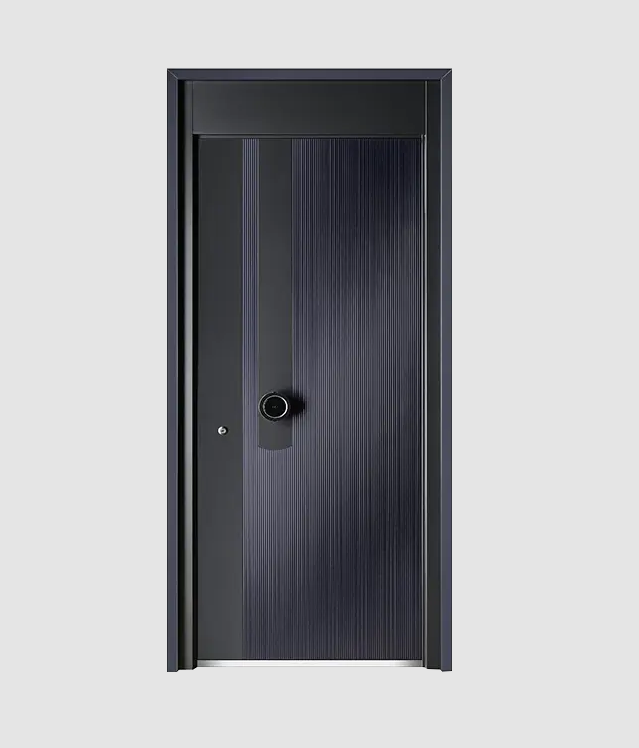
A solid core metal exterior door is designed to improve thermal performance by combining steel outer panels with a dense insulating core. While steel itself conducts heat efficiently, the internal foam layer reduces both conductive and convective heat transfer. This structure helps maintain more stable indoor temperatures during seasonal weather changes.
The insulating material inside a solid core metal exterior door typically consists of closed-cell foam. These small sealed cells restrict air movement and slow the transfer of heat through the door assembly. Compared with hollow metal doors, insulated solid core designs generally provide higher thermal resistance and reduced energy loss. Frame construction also plays an important role. Many systems incorporate thermal breaks that separate interior and exterior metal surfaces to limit heat flow through the frame.
Proper sealing contributes significantly to the performance of a solid core metal exterior door. Weatherstripping around the perimeter and threshold seals help reduce air leakage that can bypass the insulated core. Installation quality is equally important, as gaps between the frame and wall can affect overall efficiency. Glass inserts may reduce thermal performance, although insulated glazing options can help minimize heat transfer.

 English
 Arabic
 French
 Spanish
 Portuguese
 Deutsch
 Turkish
 Italiano
 Russian
 Romaian
 Portuguese (Brazil)
 Greek
Greek
